Back to all News

Bridging the gap: How connectivity accessibility can deliver digital empowerment.

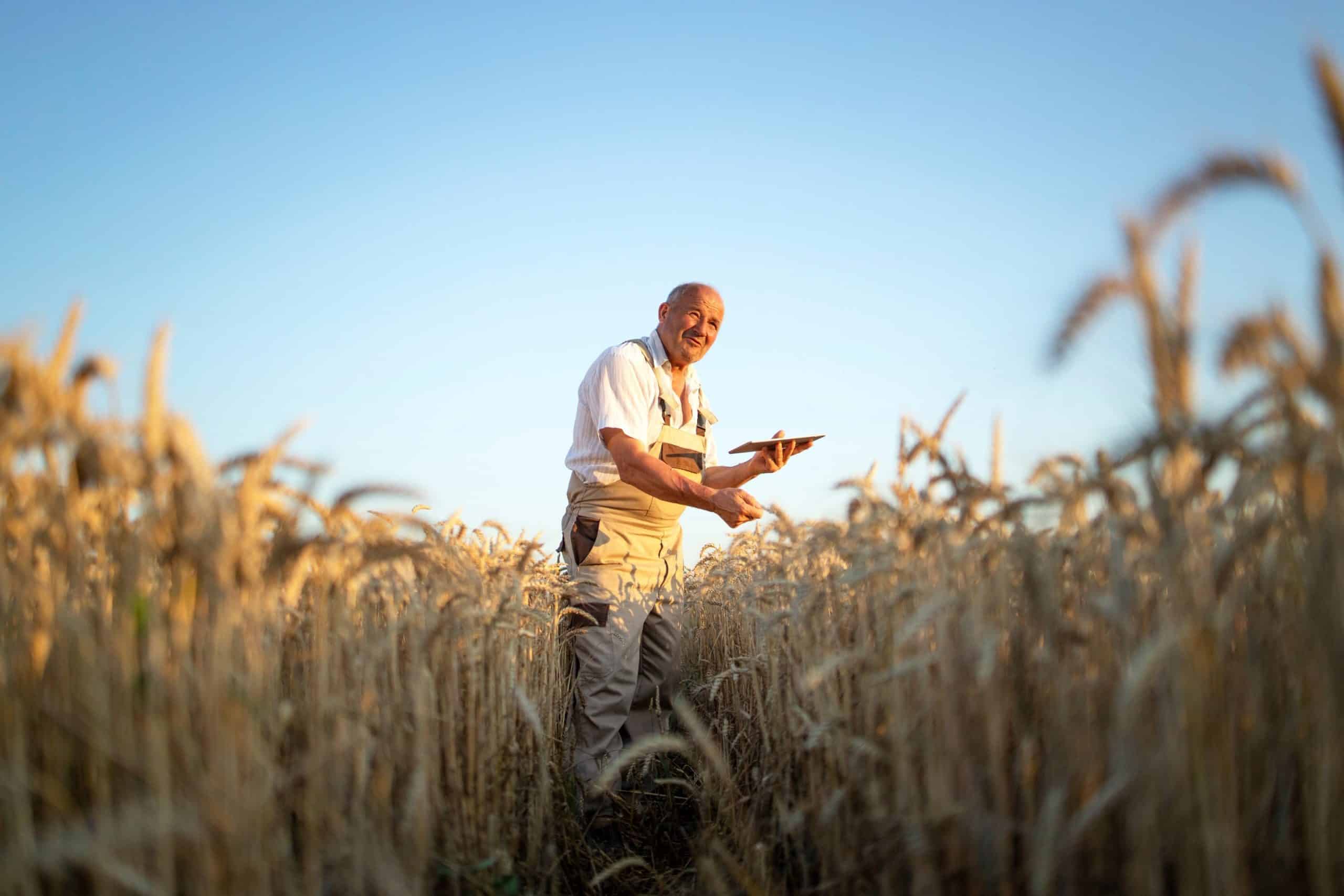
Man harvesting crops in a remote region, illustrating how connectivity accessibility through satellite communications and digital technologies can empower communities and bridge the digital divide.

Space Norway (formerly Telenor Satellite) spoke with Satellite Evolution Global about the important role of connectivity in fostering growth and development in remote communities. From remote education, aid and medical care, to empowering individuals and supporting small and large enterprise, accessibility to connectivity is one of the key enablers of bridging the digital divide.

In this era of unprecedented technological advancements, the digital divide between those who have access to this bright new world and those for whom it is still lacking, is impeding overall global progress.

The digital divide can be seen between citizens within nations, largely due to economic differences, but it is far more marked between different nation states. In this case the issue is more multi-faceted, encompassing aspects such as accessibility and usability of connectivity, as well as economics – the three key challenges facing those communities that are behind the technology curve.

Connectivity accessibility can best be explained by how readily available technological infrastructure and resources are for those who wish to be digitally connected, whether through devices, internet or other essential tools.

Usability refers to the skills and knowledge required to use digital technologies effectively. Even where access is available, there can still be a lack of general digital literacy and experience which can hamper individuals and businesses in their attempts to maximise their use of these resources.

Economics relates to the financial resources needed to access and utilise digital technologies and encompasses such things as the cost of devices themselves, as well as internet subscriptions and other associated expenses.

Focus on connectivity accessibility

While these issues are all interrelated, accessibility is the area where Space Norway (formerly Telenor Satellite) is able to make a greater impact and is where we have the expertise to help bridge the divide and empower societies in remote locations.  Connectivity accessibility serves as the foundation for resolving digital inequality as, without adequate connectivity accessibility, the potential for growth and development will remain out of reach for many individuals and communities.

 

Teacher with children in a remote African region, highlighting the importance of connectivity accessibility for improving education and bridging the digital divide in remote communities.

For those communities that lack accessibility, some of their greatest challenges revolve around the absence of online services, whether for education, healthcare services or economic opportunities. This in turn perpetuates the isolation of these communities and limits individual’s potential for interaction with the global community.

There are many countries around the world, for example within parts of Africa, South America and Asia, where they simply do not have the infrastructure needed for fixed communications. Although fibre may have reached the coastal regions of these countries, inland they still rely on satellite to enable the development of a network. By making use of mobile backhaul, the service operators are able to build a network connecting remote base stations via satellite connection. In effect, satellite here is the enabler for other technologies, particularly via mobile phone networks which provide internet access to users who don’t have the means to pay for broadband connections.

The introduction of 5G will also increase the requirement for high-speed broadband so a multitude of mobile base stations will be essential if these communities are to attempt to gain a level footing with the rest of the world.

Improving communications in remote regions

Thankfully, there are ways in which we can improve accessibility in remote regions, but it does require a concerted effort on the part of governments, Non-Governmental Organisations (NGOs) and the global community, not to mention satellite services providers such as Space Norway (formerly Telenor Satellite). In these situations we are working towards using the mobile networks to expand broadband infrastructure and internet connectivity, while local authorities are focused on reducing costs as far as possible and making sure that devices are affordable to the population.

The situation has improved enormously with the advances in mobile phone technology over the past years and it is now possible to buy or lease a smart phone at an affordable and easily accessible cost giving internet access over the mobile network to other data connections. This is starting to bring the internet to less affluent communities where citizens can’t afford to pay for dedicated broadband access. Telenor Group is very active in these communities, bringing satellite connectivity to hundreds of millions of consumers who would otherwise be cut off from the digital shift the world is experiencing.

Woman by the water.

There have been a number of developments in technology that support accessibility, satellites have a greater reach, mobile devices have been developed to increase the options available while other progress has brought enhancements such as screen readers and voice recognition software to benefit those individuals with disabilities who have previously been disenfranchised.

Community life

At an individual level, it is easy to understand how accessibility can improve lives, but it is at the community level where the greatest Impact can be seen. Access to online educational resources and remote learning platforms plays a vital role in breaking down the educational and skills gaps that can sometimes be found in remote regions increasing opportunities for the population.

Space Norway (formerly Telenor Satellite) has provided satellite links to remote universities giving students access to research papers, and also enabling them to make their own research available. What’s more, video conferencing with peers in other countries allows them to pool knowledge and resources and play an active role in the global academic community.

 

Young man browsing the internet on a computer, demonstrating how connectivity accessibility can enhance quality of life and empower individuals in remote areas.

Another notable benefit is the increased access to expert medical care via telemedicine so that populations are able to receive medical consultations and advice without the need to travel great distances.

New LEO systems are also bringing easily accessible connectivity to these remote areas. However, it is still at a higher cost for the individual user than accessing internet via mobile networks – the cost is carried by the broadband subscriber rather than shared between all users of the mobile network. For this reason, it is likely that communities will continue to rely on mobile phone connectivity for some time to come.

Enterprise

Enterprise is an additional area where connectivity accessibility can have an enormous impact, particularly with the business world’s adoption of the virtual workplace which came about as a direct result of the COVID pandemic. Enterprises whose services can be easily transmitted via the internet can now operate from anywhere in the world provided there is reliable connectivity opening up the possibility of e-commerce to many otherwise isolated communities.
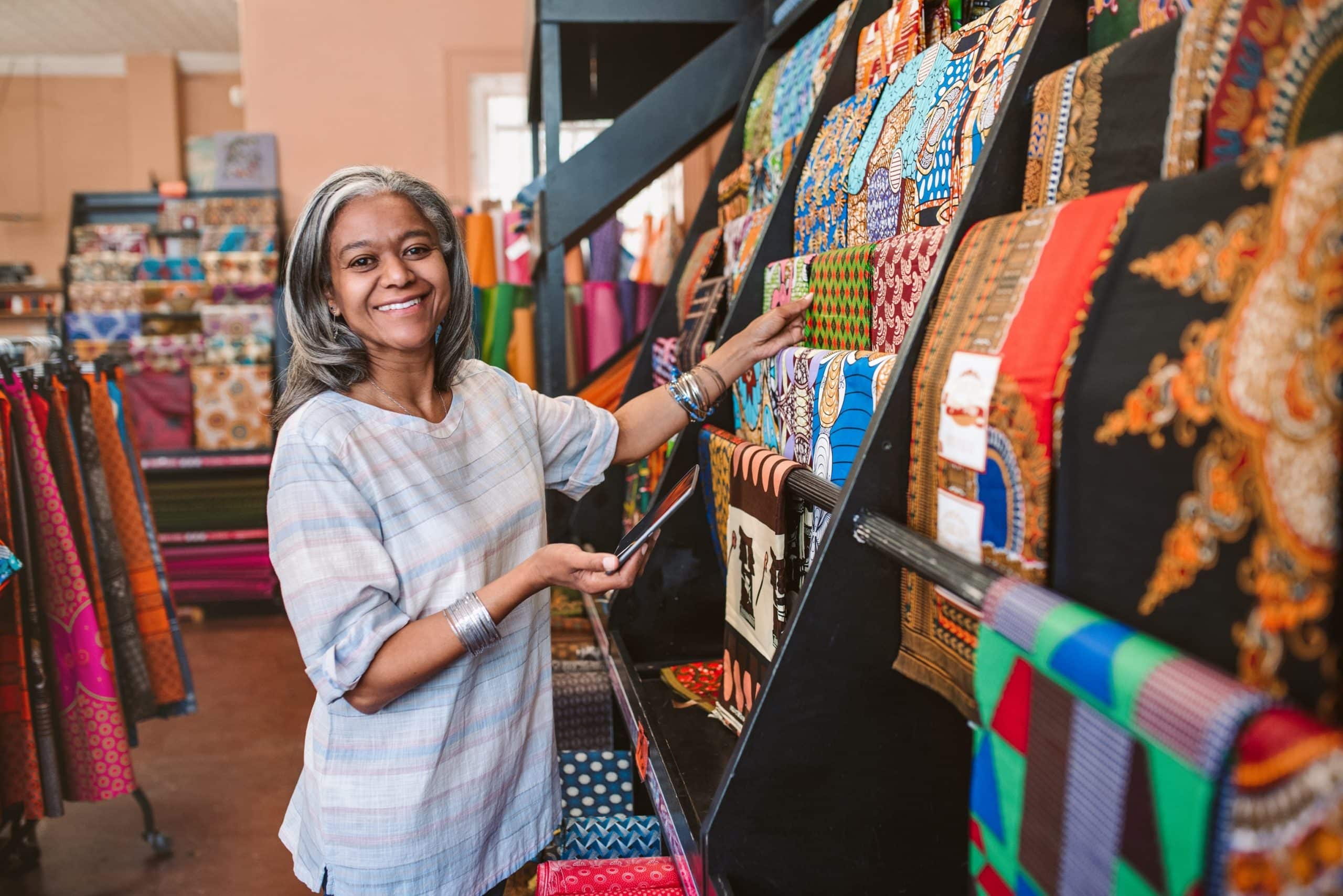
Smiling woman in a remote area, likely a shop assistant or owner, examining textile fabrics, representing how connectivity accessibility supports remote enterprises and boosts economic opportunities.

Supporting remote enterprises and those that work for them is the financial sector and, in fact, Telenor Group operates a bank specifically developed for remote communities enabling them to manage their money better, pay electronically, receive their salary directly into their account and even opening up the opportunity to take out personal or business loans. With the use of the app, these communities are able to handle their banking online via their mobile phones even where broadband is unobtainable or too costly.

Enterprise and individuals can both also benefit from the digital literacy that can develop within society once the accessibility issue has been overcome. Just a few individuals with a desire to understand and navigate the digital landscape can become catalysts for knowledge throughout the community, making businesses more efficient and paving the way for remote working in an array of industry sectors.

Aid organisations for remote areas

NGOs and Aid organisations are frequently called upon to provide relief in remote areas where there is no terrestrial network and so rely on satellite communications to support their efforts. However, there are times when a crisis arises in a relatively well-developed community such as the recent Turkish/Syrian earthquake, in these cases there is a need to switch on satellite connectivity at short notice.

Firefighter hugging a smiling child, illustrating the role of aid organizations in remote areas and the importance of connectivity accessibility for providing support during emergencies.

Fortunately, the agencies providing these aid services are well geared up to arrive on the ground with a communications kit ready to go. They can set up a remote base station at a moment’s notice, often travelling with a complete communications system onboard including a generator which is ready to link up with the satellite.

Why sorting accessibility is the key

Access to digital platforms, such as Facebook to Instagram, and WhatsApp, enables members of the community to participate more fully in the global economy, and with that comes the potential for commercial growth and the subsequent influx of money into the area. It isn’t only the higher-tech enterprises which reap the rewards, increased wealth in a region also benefits even the more traditional rural businesses.

And the benefits continue as the increase in economic growth facilitates the investment in additional digital infrastructure which opens the door to new technologies providing even more opportunities for the population.

Finally, as more technology is acquired, individuals are personally empowered with the opportunity to hone their skills, not only digital competencies but also their practical skills through the use of self-education clips on platforms such as YouTube and academic qualifications through online college and university courses. By taking advantage of these opportunities, citizens enhance their employability, allowing them to make a greater financial contribution to society.

Conclusion

In an increasingly interconnected world, the importance of addressing the digital divide cannot be overstated. Among the three pillars of the divide – connectivity accessibility, usability and economics – accessibility is the cornerstone for progress. By ensuring that all individuals and communities, no matter their location, have equal opportunities to access and benefit from digital technologies, we can create a more inclusive and empowered global society.

Read the original article published in the November 2023 edition of Satellite Evolution Global.

Back to all News

Seafarers' invisible support.

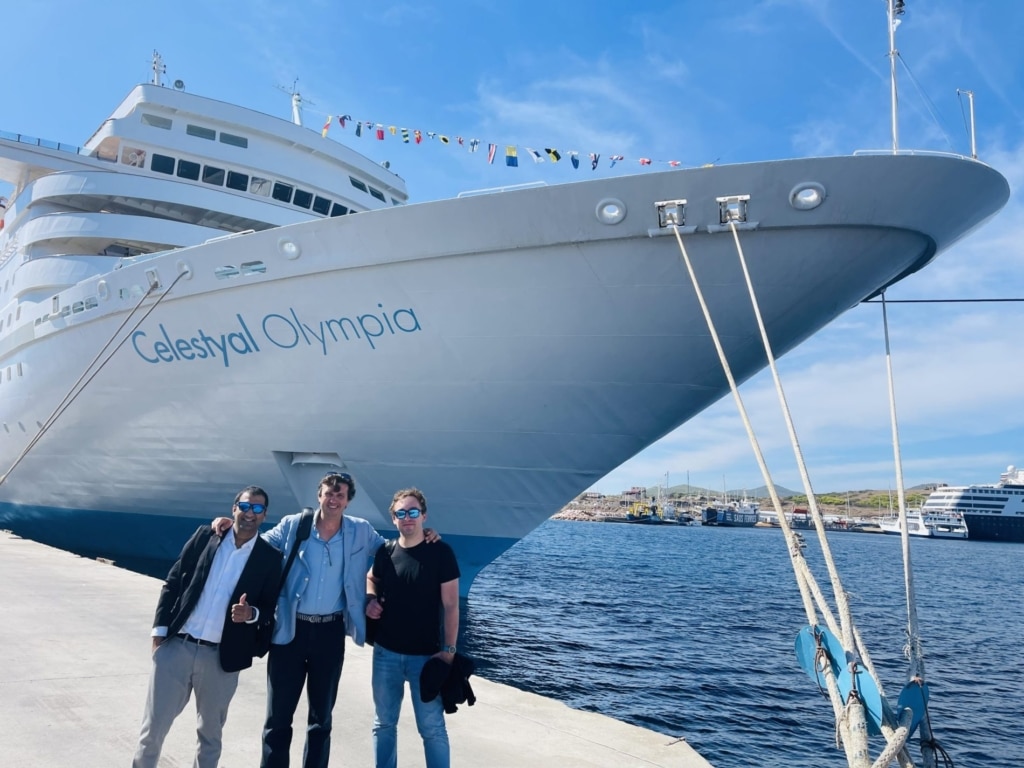
Seafarers - Passenger ship

International Day for Women in Maritime is celebrated every year on 18th of May. And we’d like to commend all the women working in the global maritime sector, supporting operations, both on shore and at sea. We look at the aspect of ship connectivity, the invisible link that keeps the ship and crew operational and safe, and our colleagues that make it happen.

On this IMO International Day for Women in Maritime, Space Norway (formerly Telenor Satellite) would like to recognise our colleagues who work so far in the background that seafarers are unaware of the vital role they play in their lives.

The women keeping satellite communications on course

One of the most significant benefits of recent years for seafarers, whether male or female, has been the increased availability of connectivity. Vessels including electric ferries, automated, and smart, ships are all entirely reliant on satellite communications in order to function. Similarly, cutting edge initiatives such as the Greensand Project which is capturing carbon and returning it to the seabed are dependent on “always-on” connectivity.

But it’s not only in terms of the operational and increasingly digitised aspects of maritime that seafarers have benefitted from greater satellite communications. Crew now have the opportunity to speak regularly to family and friends onshore, and enjoy video streaming and internet browsing, just as they would at home.


Keeping that connectivity on stream

While the company’s satellites are termed as being geostationary, stationary is not strictly the correct way to describe them. In fact, albeit slowly, they are continually moving in relation to the earth and that is where our Flight Dynamics Manager, Hanne J K Skonnord comes in. She is responsible for planning station keeping manoeuvres for the satellites to keep their position in the geostationary arc to remain in constant touch with the antennas on the vessels.

Equally crucial is Lead Spacecraft Engineer Kristina Lärfars, she is one of a team of engineers who deal with any problems that arise with the operation of the satellite, taking the necessary action so that our clients never experience a dropped signal. One key aspect of this is ensuring that the satellite continues to transmit even during solar or lunar eclipses when it relies on battery power rather than its solar arrays.

A lifeline from space to sea

So, wherever seafarers may be, whether that is fishing in the extreme conditions of the polar regions, supplying offshore oil and gas fields with necessary equipment and personnel, keeping cruise guests safe and entertained, operating renewable energy sources at sea, don’t forget the dedicated women working behind the scenes to make sure you remain connected to what matters most.

Back to all News

Euro-Fibre – a revamped fibre network bringing TV to Europe’s homes.

Fibre connectivity: Euro-Fibre terrestrial network

More than 18 million homes throughout the Nordics and Central and Eastern Europe rely on Telenor Satellite to deliver their broadcast media – whether it originates from Disney, Allente, National Geographic, BBC or any of the other of the regional and international broadcasters who use our services.

Not simply satellites

While, as expected, the transmissions arrive in homes via Telenor Satellite’s THOR fleet of satellites, perhaps what is less well-understood is that we operate an extension to our satellite services through our terrestrial fibre network which takes these broadcasts from their original location and transports them to our teleport in Nittedal.


New name for our terrestrial fibre network

Following a recent refurbishment of our fibre network infrastructure based on industry leading media delivery equipment from Net Insight, we decided to rename our service so that it truly reflects what it’s all about. Now known as Euro-Fibre, it’s a facilitator and enabler, transmitting live broadcast content between key locations in Europe and our teleport. Euro-Fibre is unusual in that it is dedicated to broadcast customers, offering broadcasters and play-outs a seamless high-end fibre network with capable bit rates, diverse and separate routing, and built-in fibre redundancy.


Points of Presence in key locations

Telenor Satellite ensures clients have easy access to its fibre network through its many Points of Presence (PoPs) – they can be found in more than twenty locations throughout Europe including major hubs such as London, Oslo, Stockholm, Copenhagen, Helsinki, Frankfurt and Amsterdam.

But in addition to the fixed PoPs, we are able to offer clients tailor-made services, including tail circuits which extend access direct to clients’ sites with commissioning taking place on short notice if a quick turnaround is needed.


Highest quality media provider

Ole Ledang, Telenor Satellite’s Director, Broadcasting, said: “The broadcast media demands the highest quality from its service providers and won’t accept any glitches or latency and that is exactly what we provide with Euro-Fibre. By renewing all our systems to the highest specifications available, we are ensuring that our customers benefit from a service which has been future-proofed to exceed the quality of service they require.”


Euro-Fibre – the name says it all!

Many thanks must go to the amazing Telenor Satellite team who all played a part in the name selection. When asked to participate in a competition to come up with the new name for our terrestrial fibre network, they didn’t disappoint!

Back to all News

Maritime in Scandinavia demonstrates growth on many fronts.

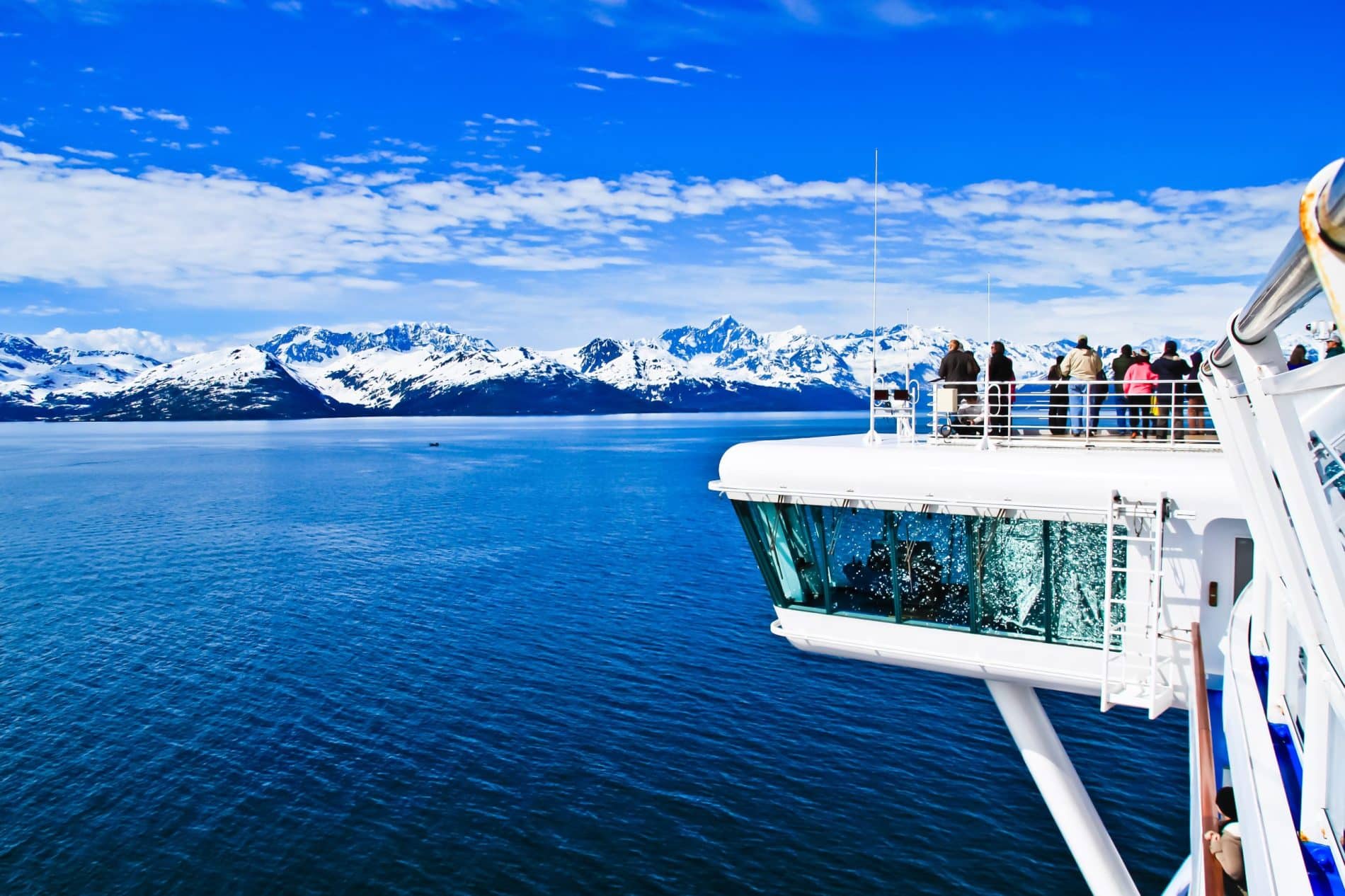
maritime in scandinavia - feature image for the article

Ship Management International spotlights Scandinavian maritime sector, featuring Telenor Satellite’s views on the continuous growth in the region along with the demand for better connectivity.

The changing shape of today’s vessels, with increased digitalisation and IoT, has made the requirement for extensive and high-powered communications a must-have rather than a nice-to-have for all maritime sectors in Scandinavia.


Offshore energy

The Norwegian offshore oil and gas sector is currently experiencing a new lease of life as the Ukrainian conflict leaves many countries facing energy shortages. When coupled with the rising number of offshore wind projects, we are looking at a flourishing industry with a growing need for connectivity.

These offshore energy sites are becoming more complex and much bigger with a need to comply with increasingly strict regulatory controls requiring intelligent and uncompromised communications to support the high levels of digitalisation now in use. Tracking, reporting and real time monitoring by staff, both onboard and onshore, place far greater demands on high-speed connectivity than previously but also ensure that the vessel suffers far less down time. The Internet of Things has enabled the transfer of information between sea and shore, allowing for remote upgrades to equipment and crew to be alerted of potentially hazardous conditions, meanwhile operational data can be collected offshore for analysis onshore.


Offshore support vessels

When considering the hard-to-reach nature of these sites and the harsh environments that they are operating in, it’s easy to appreciate that critical systems are not limited to the offshore facilities themselves but also to the myriad support vessels working with them, whether Offshore Supply Vessels, Crew Transfer Vessels or Floatels. They each place high demands on communications systems to ensure the smooth running of key operations such as navigation and weather forecasts.


Fishing

Another dynamic sector for Norway in particular is fishing. Vessels are in operation 24/7, often remaining at sea for a month or more, with crews working up to 12 hours a day. For those working in the Barents Sea or even further north, conditions are icy, dark, cold and windy. This is an area where it is extremely difficult for satellite companies to operate, in fact Telenor Satellite is one of the very few whose satellites are ideally situated to provide reliable and constant VSAT connectivity up to 79 degrees north. Again, there are strict regulations and mandatory reporting requirements which need to be transmitted back to shore but equally important is the safety and wellbeing of crew who need access to emergency assistance as well as links to home.


Expedition cruise

One of the fastest growing cruise sectors, expedition cruising is taking off in Scandinavia with well-travelled guests looking for more adventure. These are sophisticated passengers who take for granted that there will be good connectivity onboard. The complexity of these ships and the sheer quantity of people add to the requirement for communications links that can process large amounts of data both operationally and for the benefit of guests. Combine that with the more challenging environments of the Arctic and it’s easy to understand why high-quality connectivity is vital for this sector too.

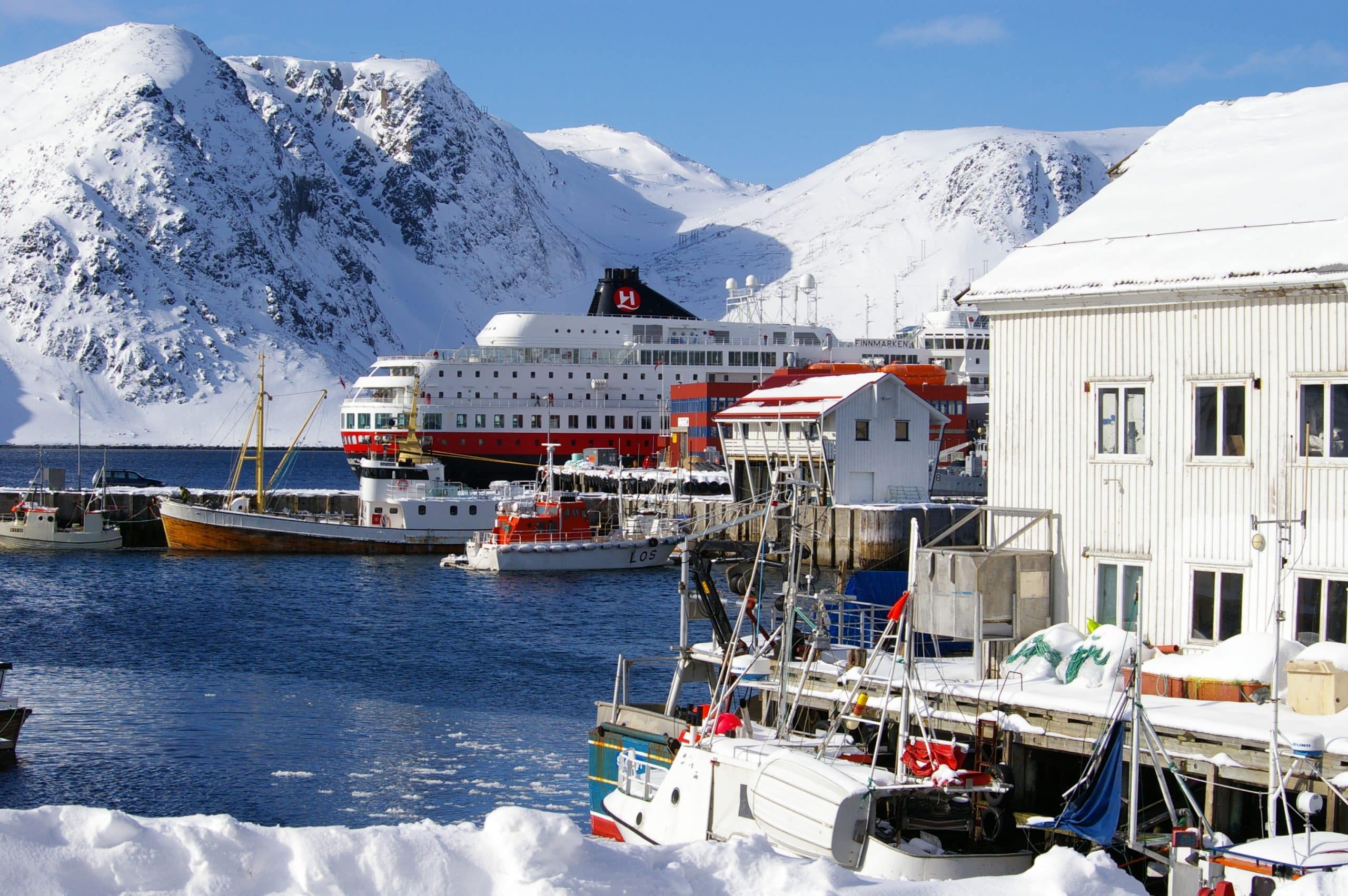
maritime in scandinavia, image depicting ferries in Norway

This article was originally published by Ship Management International in issue no 102 March / April 2023.

Back to all News

How to pilot a satellite?

How does a satellite remain in its orbit? Which forces work on a satellite in space, and how do these forces act at different orbital positions?

It takes several years to ready a satellite for launch, and once the satellite detaches from the rocket that brought it out into space, the job is far from over. Space Norway’s two highly elliptical satellites will be launched by a Falcon 9 up to about ten thousand kilometers.

From there starts a long journey into space, ending at 43 thousand kilometers where it establishes its 15 years orbit. This journey is called orbit raising, and it is predicted to last for ten days. On board are two fuel tanks, and all around the body of the satellite are small thrusters used for correcting the course.

Approximately 90% of all the fuel will be used while orbit raising. To reach its correct trajectory, engineers must determine how much force to use for exact course adjustment. Flight dynamics is the art of calculating the effect of all the forces that work on the satellites and all the flight path corrections consequently needed in its entire life span. The remaining ten per cent of fuel on board is used to uphold an exact path for 15 years.

Satellites in orbit are subject to continuous forces. The strongest effect comes from earth’s gravity. Additionally, both the sun and the moon’s gravities influence the satellites. The position of the sun, moon and earth are predictable, meaning that the effect of these forces can be calculated and simulated in advance. But then, you never know. Maybe the weather is bad on launch day and a delay is inevitable. All calculations would have to be made over.

The satellite itself does not know exactly where it is, so this information is uploaded from the ground. The exact position is determined by triangulating signals pointed at it, and all path corrections are made based on these calculations.

The engineers on the ground compute the exact location on each 16 hours orbit, giving the exact amount of thrust needed from each on board engine to correct the course, all the while keeping an eye on how much fuel is remaining. These flight maneuvers are done every fortnight for the entire satellite life span, and two major path corrections are planned in year 10 and 12.

Back to all News

Key success factors for maritime mobility sector in times of change.

Exploration cruise can use XipLink WAN Optimizer to improve VSAT connectivity

Satellite Evolution spoke to Telenor Satellite’s Jan Hetland, Director Data Services Division, about the current state of the maritime mobility sector and what he sees for the future of the satellite communications industry.

Connectivity has always been a key priority for the maritime mobility sector but today, as geopolitical events place new demands on the industry, the need for satellite communications companies to be both agile and reliable is more imperative than ever.

People have become much more used to having connectivity at their fingertips and expect it even when travelling in remote areas. Satellite companies need to demonstrate their innovation and resourcefulness to ensure their client’s evolving requirements can be met promptly and effectively.

Could you summarise the challenges and milestones that Telenor Satellite has faced in the last year?

COVID has obviously been challenging for everyone but planning for a post-COVID world has been difficult because we haven’t known what to expect. We have had to anticipate what demand would be like from each sector and then design our networks to fulfil that anticipated demand. For example, the ferry business is coming back stronger and more quickly than we had anticipated, not because of an increase in passenger numbers relative to pre-COVID times, but each of those passengers seems to have a higher requirement for connectivity. It seems people have become much more used to having connectivity at their fingertips and also making use of it and take that with them when they travel. So, the average revenue per passenger has been higher post pandemic than it was before.

We are also seeing a surge in demand for oil and gas connectivity, not just from our maritime clients but also for our land-based services. This is not necessarily from new clients, but we are finding that our existing clients have been cancelling downgrades, requesting upgrades, developing new projects, and increasing exploration. The upshot is that we have needed to rebalance our business, and this has been helped by the new and more efficient technology we have introduced which has increased our capacity and made possible higher bandwidths in the Nordics.

You've enjoyed a healthy collaboration with Xiplink™ on your Anker Managed Service and through their WAN optimisation service. Could you recap how that partnership has progressed?

Earlier this year we started to offer XipLink, an end-to-end WAN optimiser solution, as part of our Anker Managed Services portfolio. This provides increased throughput, maximum wireless performance, and an improved end-user experience. XipLink has proved very beneficial to our passenger ship clients as it offloads the computational burden of a large number of end-users and TCP sessions from the satellite modems, which often prove to be the bottleneck.

We are finding our clients across the board in this sector are opting for XipLink and, in fact, having tried it on a first vessel they have chosen to roll it out throughout their entire fleet. The amount of uptake we have seen on the XipLink service is very encouraging and we expect it to continue to grow.

With developing geopolitical events placing new demands on the industry week by week, how have you seen connectivity demand shift?

I think the biggest change we have seen has been with the oil and gas sector as explained earlier. Prior to COVID there had been a reduction in exploration and, of course, that reduction was expected to continue following on from COP 26. With the onset of the conflict in Ukraine, everything has been turned on its head and we are seeing greater demand for connectivity in support of a rise in activity.

Certainly, in a country like Norway which has enjoyed revenues from the oil and gas sector for many years, the discussion that had centred around tailing off, or even ending, oil exploration activities has now been put aside as the EU attempts to reduce its reliance on Russian energy. However, I think the shift goes beyond simply oil and gas and encompasses the entire energy sector as we have also seen a lot of activity related to offshore wind projects including floating wind farms which will also increase demand for connectivity. It’s all about ensuring energy security and developing alternative and renewable energy sources.

How can satellite companies work with their clients to anticipate changing requirements and deliver reliable service?

There is really only one possible answer to this question – satellite companies need to listen to the demands of their customers and then make sure that they have right products and services to deliver the connectivity they need. For satellite operators such as ourselves, the key challenge is that you need a three to four-year lead time when designing and building a satellite, so both we and our clients need to have a very good idea of our future needs well in advance. And you try to build a bit of flexibility into your satellite design to cater for changing demands.

Still, not all of our customers take a long-term view so we also need to look at market reports and overall trends although you wouldn’t launch a broadcast satellite without having firm requirements from the broadcaster and you would design it around their needs.

It is fair to say that today’s satellites offer much more flexibility in terms of redistributing capacity so that, combined with talking to clients about their projected requirements, means that we have more certainty that we will meet demand moving into the future. Data connectivity is certainly going to go up and part of our role is to make customers aware of what is possible so that they can make the most of their opportunities.

How do you see mobile satcom technology changing going forward?

In the future you will see bit rates continue to increase and connectivity requirements will only rise. People expect more, for roughly the same amount of spend, so we have to try and deliver on those expectations and provide more for the same amount of money. While demand grows for increased services and performance, the baseband platforms and modems which form the infrastructure of the business are having to keep pace. This is the main reason for our recent adoption of the Newtec Dialog® platform which ensures we can provide services up to 100/25 Mbps in order to support high-end user cases.

Maritime antenna technology is another important area. Today’s modern satellites are more powerful than older satellites, and in turn this allows smaller, lighter and lower cost antennas to be used. This is a particularly important area for the maritime sector since the typical maritime stabilised antenna platforms account for a large portion of the total cost of a maritime satcom terminal. For some time, flat-panel antennas have been seen as the holy grail for maritime satcom, as they have no moving parts and motors which are subject to wear and tear in a challenging maritime environment. Although progress has been made in this area, the equipment manufacturers have yet to solve all the issues required for flat-panel antennas to become mainstream technology. Today, they are either too low in performance, or they cost too much, or they consume too much power.

The new LEO and MEO systems may help bring about this change since they heavily rely on such antennas being available in order to offer low-cost terminal equipment. But the past 8-10 years show that improvement comes in gradual small steps and not in giant leaps. In the current geopolitical landscape, we are seeing supply chain issues, embargos and looming trade wars which all contribute to rising prices and schedule delays.  Hence, several of the planned LEO/MEO systems have already announced delays or having to scale back on their initial ambitions. Starlink’s recent launch of a service for the yachting market is perhaps a sign of progress being made, however, and it will be interesting to see going forward if they are able to satisfy the requirements of this maritime segment.

What is the most important thing that the maritime mobility sector needs to understand about connectivity?

I think the entire maritime sector will need to focus more closely on cybersecurity. There have already been some high-profile breaches involving large shipping companies which have caused problems within the supply chain and more recently a two-way service in Ukraine was hacked and effectively shut down.  This just shows that the industry must take a holistic view on cybersecurity. Having secure satellite networks will not help much if a ship’s own IT infrastructure is left vulnerable and exposed from the Internet. There are still far too many examples of clients and ship owners operating network equipment using default factory login credentials. So everyone’s mindset has to change really.

Being part of Telenor Group – cybersecurity is something we have to take seriously, and we have access to some of the best expertise in the country to help us design our networks and improve our security posture.

What can we expect from Telenor Satellite in the years ahead?

For sure we will continue to evolve as a satellite operator, we need to continue to put new additional capacity into the sky when there is a need, and the time is right. We will continue to invest, evolve, and develop new technology to meet our customer’s demands.

So, in a nutshell, we are planning to be productive, planning to be around for a good many years and planning to invest in and adopt new technology whenever the possibility arises. No revolution on our part but steady evolution going forward.


The original article was published by Satellite Evolution in the November 2022 issue of Satellite Evolution Global (page 20).

Back to all News

Q&A with Broadband TV News on the latest developments and future trends in the satellite broadcasting industry.

Ole Ledang, Director Broadcasting Division, Telenor Satellite
Ole Ledang, Director Broadcasting Division, Telenor Satellite. Photo: Kilian Munch

BroadbandTV News speaks with Telenor Satellite’s Ole Ledang about current advances in the broadcast industry, looking at trends in satellite design and essential requirements for continuous success in delivering premium DTH services across Europe.

Telenor Satellite has been described as the most versatile satellite operator in Europe. How have you achieved this position?

It’s a bald statement, but as a small/medium satellite operator you must think very carefully about satellite design. With THOR 5, 6 and 7 we have fully utilized the accessible frequency spectrum licensed at 1°West, including a Ka-band payload on THOR 7 alongside our FSS and BSS transponders.

Our key markets for broadcasting are in CEE and the Nordics and some broadcasters and DTH players would like coverage over a larger part of Europe to reach CATV headends, expats and other markets. We have multiple areas of focus when designing our satellites – option to switch transponders between spotbeams in case market development takes a U-turn, and 1°West spare-transponder philosophy on every satellite in order to perform damage limitation should a satellite crash and burn. Is it desirable to be able to move spot-beams? Could a situation arise where we have to uplink from one beam and downlink in another? Uplink in Ku-band and downlink in Ka-band, or vice versa?

So, when your flexibility is not on a multi satellite, multi orbital position level, you have to include flexibility and versatility on every satellite – and between the satellites. I think we have maximized the design every time, and it has proven necessary and right to do so.

As a satellite operator, how do you use ground infrastructure technology to enable operation for the DTH pay-TV sector?

Key for our customers is quality – both operational and visible – and quick response to changes. To fulfil the quality aspect, we have recently focused on converting all feeds from play-outs and studios to Mezzanine format. We have full control of the encoding and transcoding quality at our Nittedal Teleport and, together with our customers, we test and tune the setup until they are satisfied with the end result.

The IP network at Nittedal Teleport enables us to easily add transcoding resources if a channel is being prepared for ABR and IPTV production. We can also add broadcasting channels from remote operated video-servers hosted at Nittedal Teleport, or add sources made available through Zixi, SRTor other internet solutions.
A modern infrastructure mixed with IT competence and broadcasting know-how enables us to move fast and adapt to customer demands.

I should also mention that for the last couple of years our focus has very much been on IT-security. How to best protect production and control-systems from harmful intrusion.

Telenor Satellite’s largest Teleport is in Nittedal just north of Oslo. Can you describe how it operates?

Nittedal Teleport is the heart of our operations. Just shy of 60 engineers are organized in specialist-groups including a 24/7/365 NOC (Network Operation Centre) as well as Broadcasting Services, Data Services, RF and Infrastructure, and an ever more present and important IT and Network group. These engineer groups function as support for our NOC and as sparring partners for our customers.

What in your view are the latest developments in satellite design?

Never has the industry seen more alternative design initiatives as in the past 3-5 years. For broadcasting, I would like to see satellite- and launcher-development adapted to the changes in the DTH and broadcasting markets. Shorter contracts, rapid change to channel profiles, dedicated channels for live events such as football leagues, new geographical territories. Everything should be more dynamic and agile.

Can we see the re-usable launchers capable of multi-passenger opportunities developing – with dramatic reduction in prices? Development of “inexpensive” smaller DTH satellites with fewer transponders, shorter lifetime – maybe 6,7 or 8 years – very low weight and low complexity? I think that could guarantee a prosperous long-term market for broadcasters, DTH operators, satellite capacity providers such as ourselves, and the satellite manufacturer industry.

Quite a few years ago something similar happened in the encoding industry. Coming from a position with very complex and very costly encoder design – with complex infrastructure at the teleports, hard to operate, and very time-consuming to perform adaptations and changes – some manufacturers started to offer simpler encoders at a fraction of the price.

This situation triggered us to create a different infrastructure at our teleport. Instead of 1+n philosophy we could think 1+1 and IP. Seems like a small change, but really, it was a game changer.

Imagine if the same revolution happened in the satellite manufacturing industry. We could provide terms and conditions for our DTH and broadcast customers reflecting the rapidly changing environment they experience. It’s a win-win situation. And you could add another “win” for the satellite manufacturers because we could commit to more satellites at a quicker pace than we are able to today.

Looking to the future, what are Telenor Satellite’s main priorities and how can you see it developing in the course of the next 5 years?

We shall continue to grow our market share with our Data Services in the North Atlantic and the Mediterranean. We have been very successful with our Anker Maritime Managed Services. And Telenor Satellite needs further satellite capacity both in Ku- and Ka-band to continue feeding market demand.

On the broadcasting side and supporting our success migrating the entire Nordic DTH population into 1°West, our main focus is to ensure we have sufficient satellite capacity for our customers and partners in the CEE market. DTH experiences fierce competition from fibre infrastructure on the technical side and viewing habits on the end-user side. Each country and market differ, so understanding which products to provide where – and when – is key. We can only be successful, and ensure our customers are successful, if we continue to communicate and discuss options, functionalities and adaptive solutions reflecting the rapid changes in their marketplace.

Alongside our satellite products, we have a sharp eye on our non-satellite products in the Nordics. More than 300 ABR services, and over 600 IPTV services are produced at Nittedal Teleport. This is also an industry in full speed ahead, and we work closely with our main customers and their supporting CDNs to ensure we are maximising their ability to provide the functionality and products demanded by their end-users.


Read the original article published on November 24, 2022 by the Broadband TV News

Back to all News

A conversation with SatNews on satellite connectivity trends and challenges in times of uncertainty.

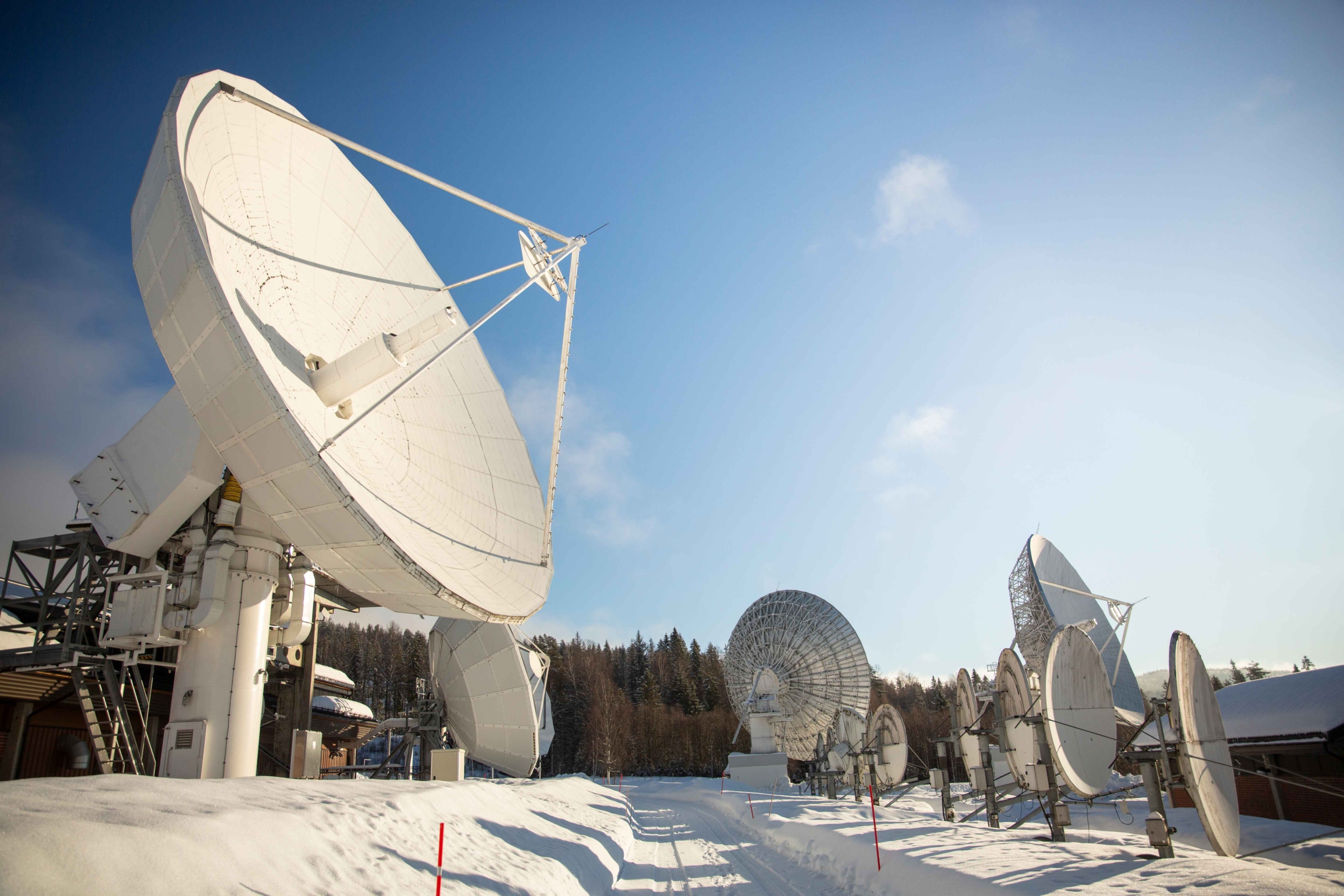
Antennas at Nittedal Teleport

SatNews talks with Jan Hetland, Director of Data Services and Ole Ledang, Director Broadcasting Division at Telenor Satellite about the changes wrought on the satellite communications industry by the uncertainties of recent years.


We spoke with SatNews magazine about the challenges facing connectivity industry following the last few years of uncertainty, as we continue to see the effects from Covid-19, the global supply challenges and the current geopolitical situation.

Having largely emerged, at least in the west, from the COVID pandemic, it is clear that there are still residual effects from the disruption it caused. The disturbances to global supply chains remain and are something Telenor Satellite continues to experience.

Whereas in the past we would expect to receive a new router, for example, within the space of two to three weeks, today that can take anywhere from between six to nine months to get the unit delivered from the manufacturer or distributor. On top of that is the issue of price increases that also affects both data services and media broadcasting.


Read the entire article in SatMagazine’s September 2022 issue.

Back to all News

Don't interfere! Frequencies in space.

Space Norway engineers
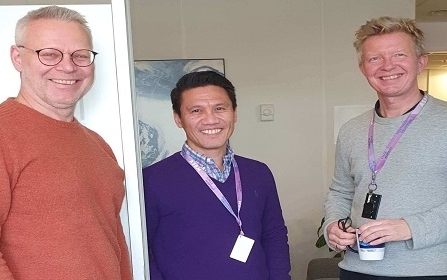
From left: Christer Varan, Group Manager Regulatory, Duc Van (Dave) Duong, Space Systems Engineer and Birger Johansen, Director, Space Systems at Space Norway.

Radio frequencies are shared resources, and that makes global cooperation necessary. Making order and predictability in frequency allocation is a time consuming and very complex task.

To any outside person, calculating which satellites will transmit when and where and on which frequency, without interfering with each other, would seem like an infernal game of pick-up sticks. Thousands of satellites orbit the globe at any given moment, transmitting to their ground stations. How to secure free transmission, without interfering with signals from all the other satellites?

In 2015, Space Norway decided to launch two highly elliptical satellites for polar orbit. A launch like this demands a lot of planning, time, money, bureaucracy – and a lot of computer calculation capacity. A planned launch means you notify on behalf of a state, not a company, your predicted frequency requirement. This notification is delivered via the national communications authority to the International Telecommunications Union (ITU), a United Nations’ body for space frequency coordination. Space Norway’s strategy was to make as many and high quality simulations as possible, in advance of the notification. This is a complicated strategy since the notification must be delivered many years before the program knows exactly what its customers will need.

When satellites transmit on frequencies close to another, interference is very likely. New satellites must know that its transmissions down to its ground stations will not interfere with existing patterns of transmission. Two causes are the most likely to create noise; one is other satellites and the other is the weather, especially rain. Any satellite operator must reach an agreement with other operators that their satellites will not create interference for the other’s signals. This issue is solved in many long meetings where the newcomer brings along simulations showing predicted interference.

The regulations system used by the ITU to allocate frequencies were made a long time ago, and it is designed for geo stationary satellites. Since the system was introduced, a lot more traffic has been added, and the technology used is much more advanced. Geo stationary satellites do not move across the horizon, they move with the same speed as the earth’s rotation allowing them to transmit directly down to their ground stations all the time. Satellites in polar orbit will continuously move towards or away from their ground stations, resulting in more interference, and that is much more complicated to calculate. Coordinating the frequencies between polar and geo stationary orbits is very complex.

When Space Norway started working with the frequencies for its HEOSAT program, there were no models for calculating interference for non geo stationary satellites. All modelling and simulation tools had to be developed from scratch. These computations are so complicated that most computers would kneel: To estimate interference, one must calculate how the signals will hit approximately every second. For accurate statistical purposes, you need to calculate every second for two days. Two days have 172,800 seconds, resulting in several tens of billions of computations to make accurate simulations.

Once this job is done, you need to reach an agreement with the other satellite operators. Agreeing that the calculations made are correct, is the first hurdle, and agreeing that the statistics are correct is the second. Then the hard part starts. The next stage is agreeing on how much interference actually poses a problem and how much noise you can live with. This exercise is done with all nearby operators.

As if this was not complicated enough, some nations demand that you apply for market access on their territory. This brings a new set of regulations that must be adhered to, combined with more long-lasting discussions. Frequency coordination is a never-ending task. New operators with plans for new satellites bringing new notices to the table is the status quo.

The ITU is not an enforcing agency, meaning they have no authority to decide how two operators agree on frequencies. This means that as long as we all have a common interest, the pieces normally fall into place. Not surprisingly, not all operators always play by the same rules, making it a time consuming exercise to reach agreements.

Back to all News

Space Norway supports NTNU students in the building of world’s first selfie-taking satellite – SELFIESAT.

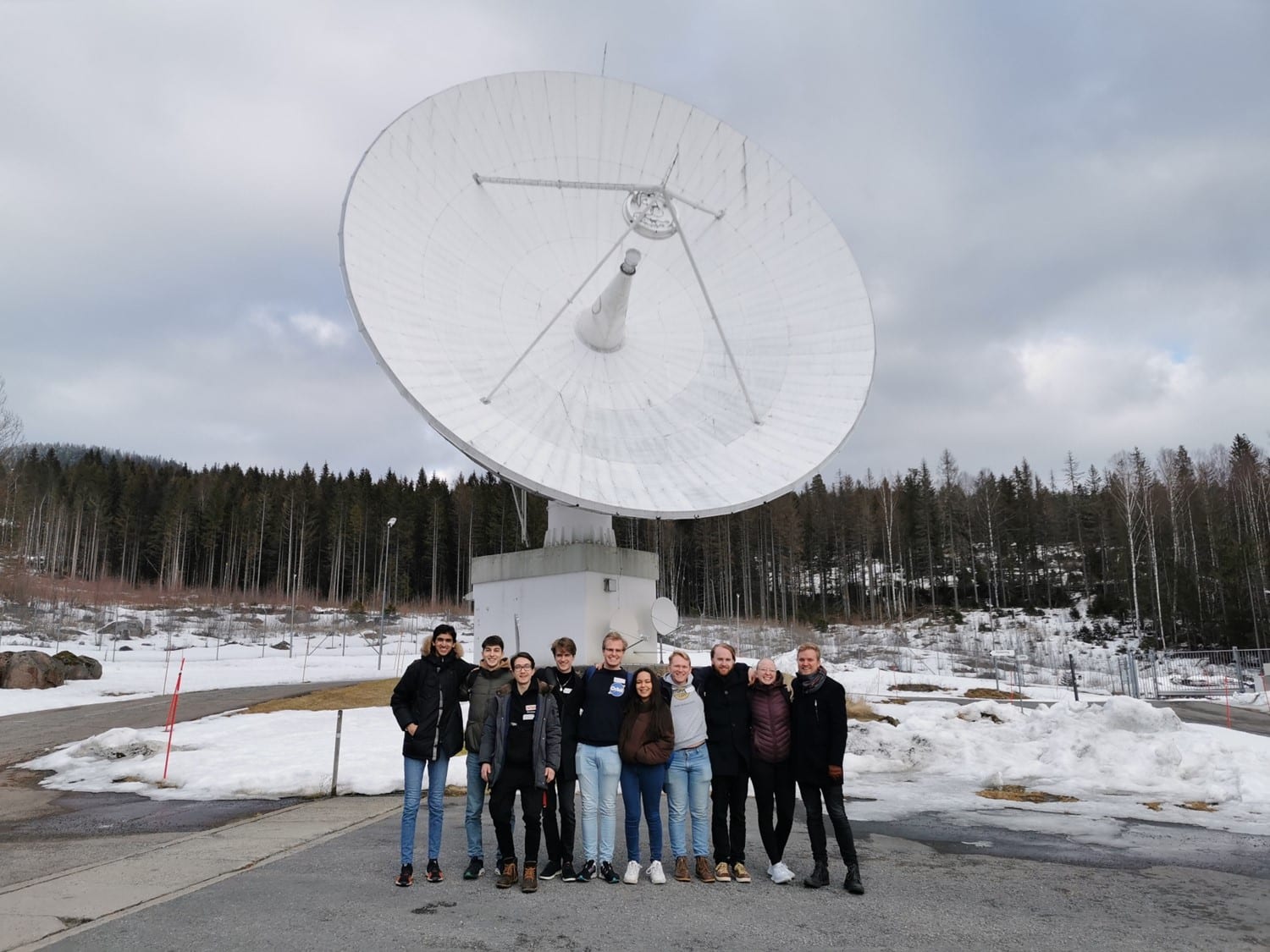
The picture demontrates ORBIT NTNU team that developed SELFIESAT
ORBIT NTNU team visiting Nittedal Teleport. From left: Soraj Singh Bisal, Mahdan Gazimagamaev, Nikolai Andresen, Jonas Krymski, Mathias Ådlandsvik Askeland, Lea Rose Nordhei, Magnus Mælhum, Jarle Steinberg, Mari Linnerud, Ulrik Falk-Petersen.

For Space Norway, ensuring the future of the satellite communications industry is a prime concern, and we are delighted to have played a part in an exciting project which has just come to fruition.

Passion for space

ORBIT NTNU is made up of a group of Norwegian University of Science and Technology (NTNU) students who have a passion for space and spend much of their free time pursuing that passion. With the backing of a number of space technology companies in Norway (including Space Norway), the group, made up of students from fields ranging from mechanical design and electronics to software engineering, management and marketing, has successfully built its first satellite using commercial parts developed for regular consumers and adapting them for space.

Satellite built around Raspberry Pi

Starting in 2018 as an ORBIT NTNU pilot project and using a Raspberry Pi as their payload computer, the students have succeeded in building a satellite which can operate in a low earth orbit (530-558 km) featuring five cameras and an external LCD screen onboard. The external LCD-display displays pictures sent in by the public and one of the cameras, mounted on a measuring tape arm, photographs the screen with the Earth in the background.

After several years of dedicated work by the ORBIT NTNU team, the satellite was ready for launch in March 2022. It was sent into orbit on a Falcon 9 as part of the Transporter 5 rideshare mission on 25 May 2022, launched by SpaceX from the Space Launch Complex 40 at Cape Canaveral, Florida.


Space Norway supports space engineers of the future

The relationship between NTNU and Space Norway began with a request from ORBIT NTNU to Space Norway’s Director of Satellite Operations, Richard Buckley, for their team to visit the company’s facilities so that they could understand how a satellite company operates. Unfortunately, it took a while to put a visit in place due to the severe restrictions placed on the satellite operations department by COVID. However, once the two teams had met it became clear that Space Norway could provide technical support.


A rewarding experience

Peter Elliott from the Satellite Operations team here at Space Norway has been providing technical support and advice to the students. “It has been enjoyable to be working with students who exhibit such enthusiasm for the space business”.

Space Norway has signed a three-year sponsorship agreement with ORBIT NTNU to provide both technical and financial support.


Looking to the future

Richard Buckley also sees other benefits going into the future, “Finding exceptional talent is always a challenge for companies, particularly in the field of technology, but we have come across many gifted young people through the course of the project, and we are keen to continue to support them and their peers as they learn more about space and the satellite industry.”