Back to all News

Emergency communication at Ringerike Fire and Rescue Service

When emergency services need assistance

Emergency services - Ringerike Brann- og redningstjeneste
Photo: Ringerike kommune

Emergency services are relied upon when incidents escalate, but they also depend on reliable communications when they need support. In remote areas, where mobile coverage can be weak or unavailable, that connection can be critical.

The siren sounds as the incident command vehicle leaves the main road and turns onto a gravel track. A report of smoke from a remote property has sent Ringerike Fire and Rescue Service(Ringerike brann- og redningstjeneste) along a rough route between woodland and rocky outcrops. In the distance, smoke rises above the treetops.

When the crew arrives, the incident commander quickly discovers that several buildings are on fire and that there are multiple casualties. The situation is far more serious than first reported. Additional resources are needed immediately, but the mobile signal is too weak to call for reinforcements. In a critical situation, reliable connectivity can make all the difference.

This scenario is fictional, but the challenge is very real. Emergency responders can be deployed anywhere, including areas where mobile coverage is limited or unavailable. Even then, they must be able to communicate with their own teams, other emergency services and wider contingency partners.

A broad and demanding operational landscape

Ringerike Fire and Rescue Service is responsible for fire and rescue preparedness across the municipalities of Ringerike and Hole. Its role is to protect life, health, the environment and property across a varied operational area that includes urban environments, local communities and extensive rural districts.

This diverse landscape brings communication challenges. The service must be ready to respond to major incidents in areas with uneven network coverage, while coordinating closely with other emergency services and civil preparedness organisations.

Effective response depends on reliable communication. Incident planning, decision-making, digital mapping, video support and real-time collaboration all rely on stable connectivity. As a result, more emergency organisations are recognising the importance of communications systems that can function independently of mobile networks.

– We wanted a more robust and reliable communications solution, particularly in areas with weak or no mobile coverage. During major incidents, we depend on access to digital maps, incident plans, video solutions, collaboration with other agencies, and general internet access in our incident command vehicle. We also wanted a solution that could serve as redundancy if the mobile network were to fail, says Mathias Skaugrud, Fire Inspector at Ringerike Fire and Rescue Service.

Connectivity independent of local infrastructure

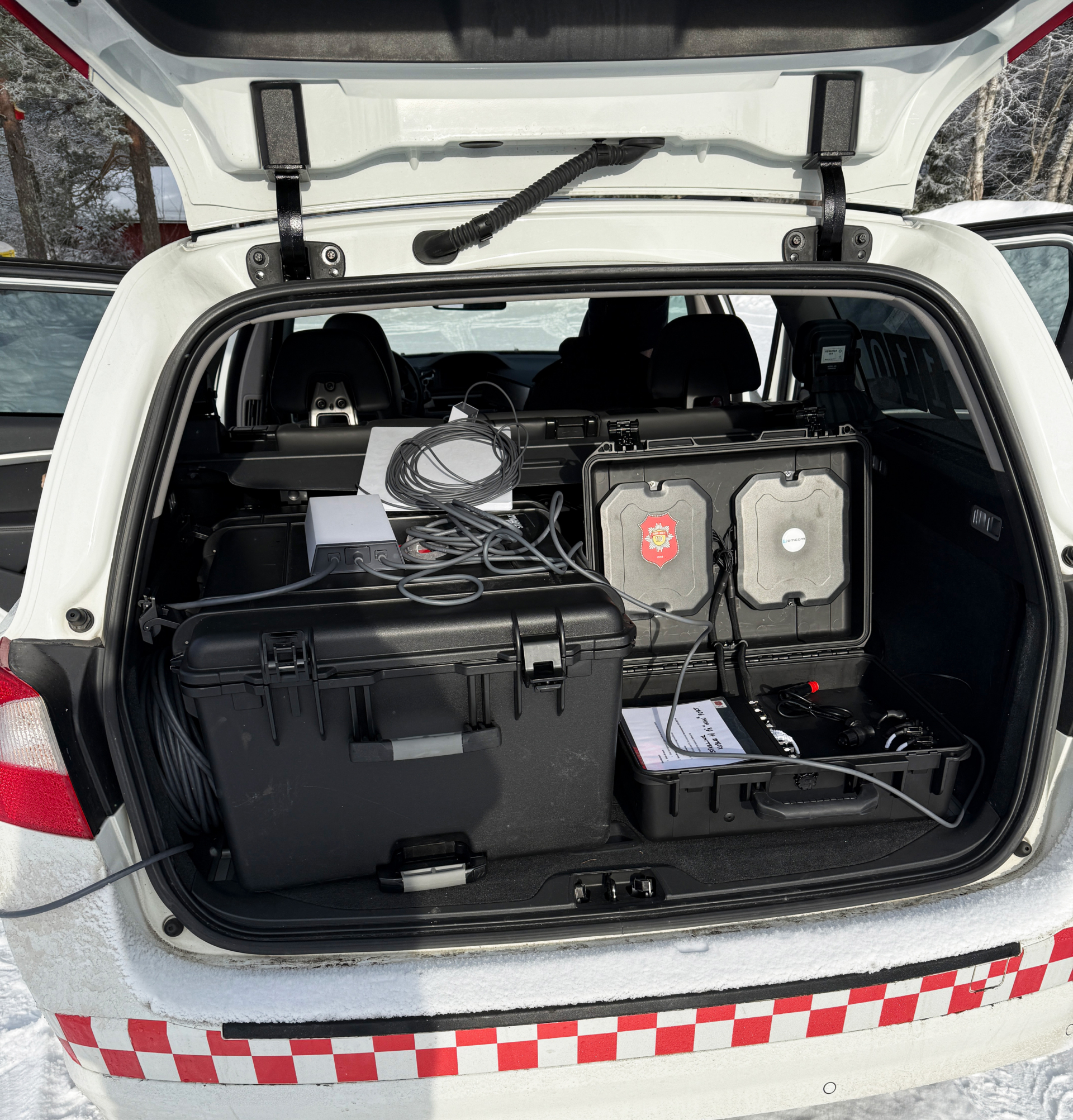
Ringerike Fire and Rescue Service needed a solution that could be adapted to its operational needs, especially for its incident command vehicle. The ability to communicate via satellite when required was a key requirement. A Starlink solution delivered by Space Norway emerged as a strong match.

– The main reasons were coverage, capacity, mobility and ease of implementation. Starlink gave us the opportunity to establish stable internet access almost entirely independent of local infrastructure. The solution appeared both forward-looking and flexible, while also being relatively quick to deploy, Mr Skaugrud explains.

The installation of the satellite solution in the incident command vehicle was completed smoothly.

– The installation process was fairly straightforward and well organised. It did, of course, require some planning in terms of placement, power supply and integration into the vehicle, but overall the process went smoothly. Cooperation with the supplier worked well, and the solution was quickly brought into operational use, he adds.
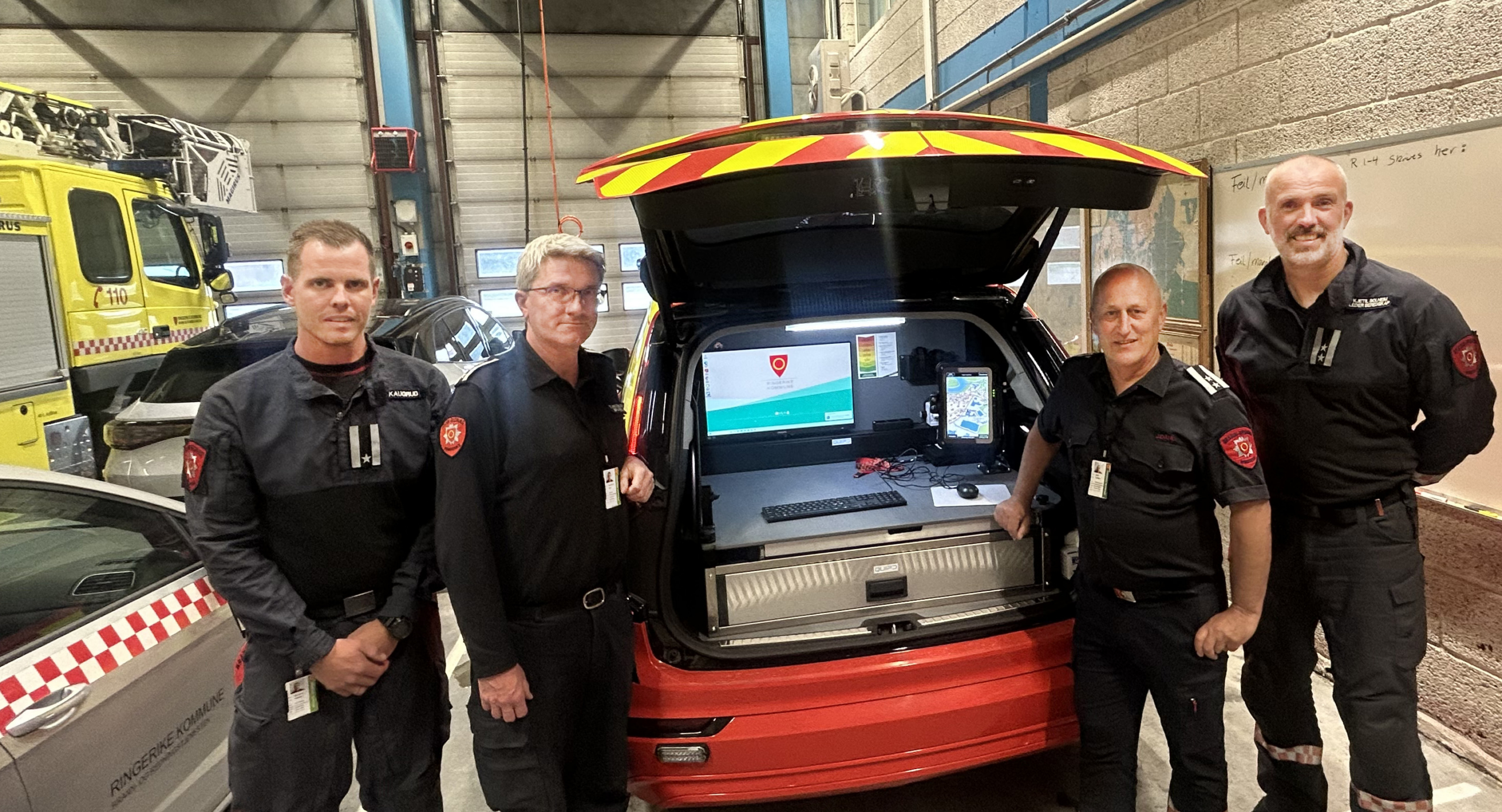
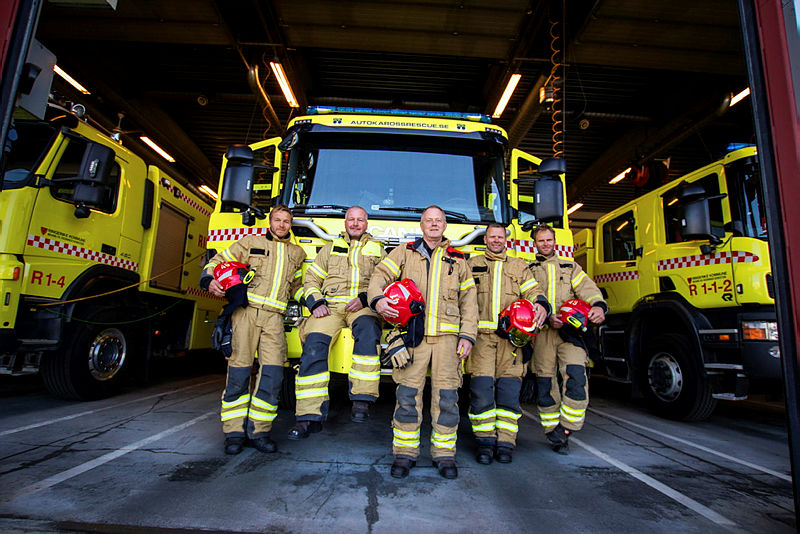
Mathias Skaugrud, Terje Reginiussen, Jostein Dahl and Kjetil Solheim — all incident commanders, from left to right.
Photo: Mathias Skaugrud, Terje Reginiussen, Jostein Dahl and Kjetil Solheim — all incident commanders at Ringerike Fire and Rescue Service, from left to right.

Improving operational capacity and flexibility

Ringerike Fire and Rescue Service has already seen clear benefits from the satellite communications solution. According to Mr Skaugrud, it has made daily operations easier and strengthened the service’s overall response capability.

– We are very pleased with the solution. It has largely lived up to our expectations in terms of stability, speed and availability. We find that it gives us greater operational capacity and increased flexibility during incidents. We have already benefited from the solution during both training exercises and real-life call-outs, he says.

– The ability to maintain stable internet access from the incident command vehicle makes it easier to retrieve information, share situational awareness and collaborate with other agencies in real time. This contributes to better situational understanding and more effective incident management, Mr Skaugrud adds.

A solution for the future

For emergency preparedness organisations, resilient connectivity is becoming increasingly important. Modern emergency vehicles and equipment rely more heavily on network access than ever before, while the ability to remain connected during uncertain or high-pressure situations is now central to effective response.

When asked whether he would recommend the Starlink solution from Space Norway to other organisations, Mr Skaugrud is clear.

– Yes, we would absolutely recommend the solution to other emergency preparedness organisations that require stable and mobile communications. The key benefits are high availability, rapid establishment of communications and internet access, independence from local mobile coverage, and greater resilience in emergency preparedness, he says.

– At the same time, we are increasingly dependent on a stable network in uncertain times, when mobile networks may at times fail and we still need to remain connected, concludes Mathias Skaugrud, Fire Inspector at Ringerike Fire and Rescue Service.
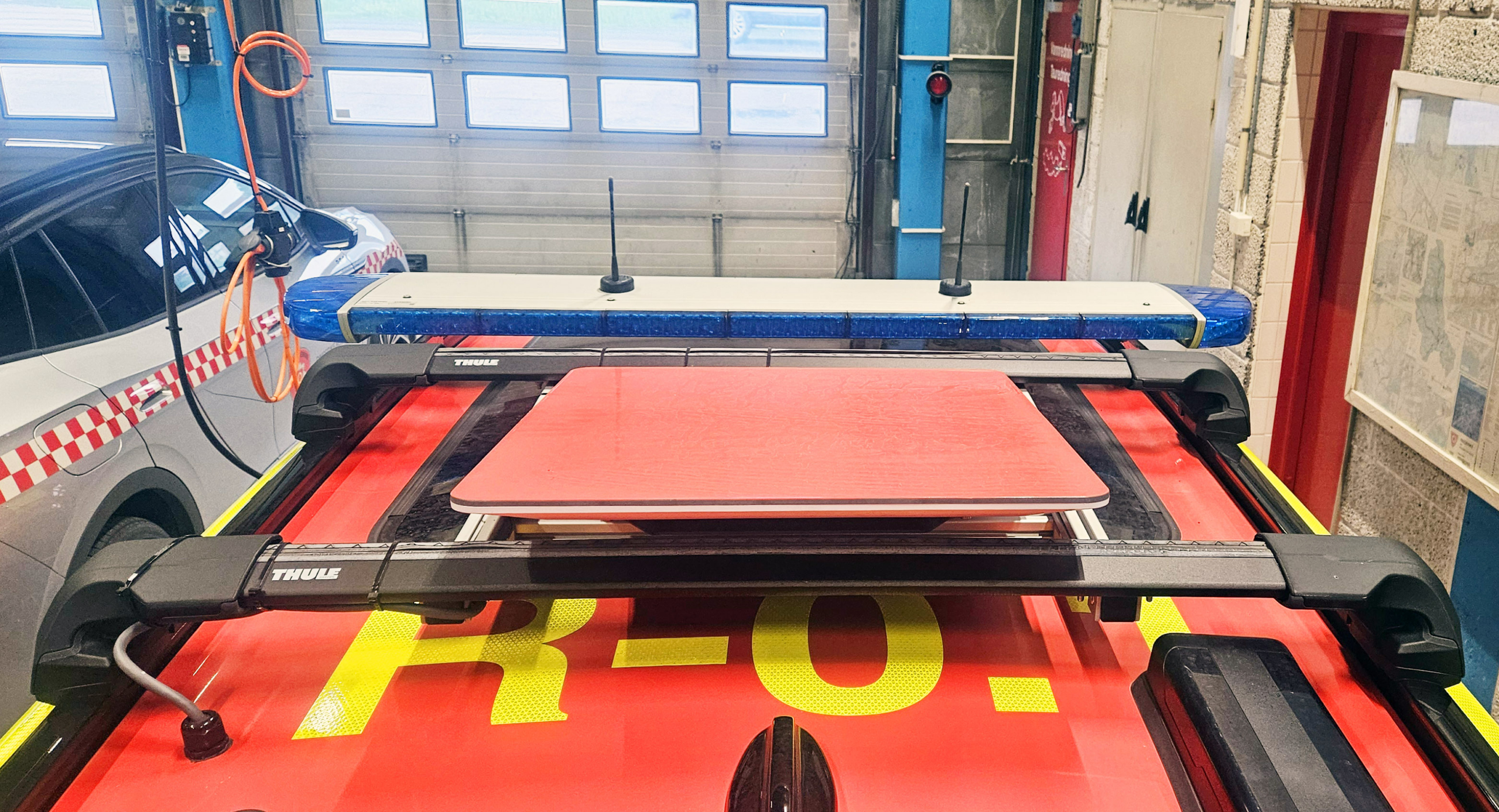
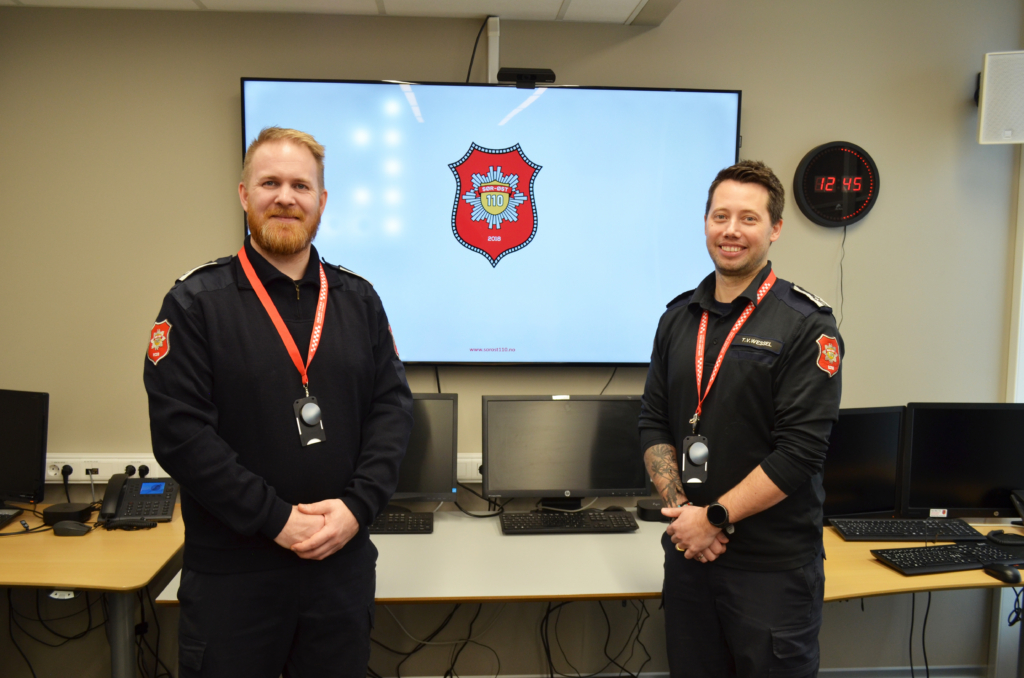
Photo: When emergency services need assistance
Back to all News

Emergency communication at Sør Øst 110

When time is precious, and reliable emergency communication is key!

Sør-Øst 110 - Emergency Preparedness Solution
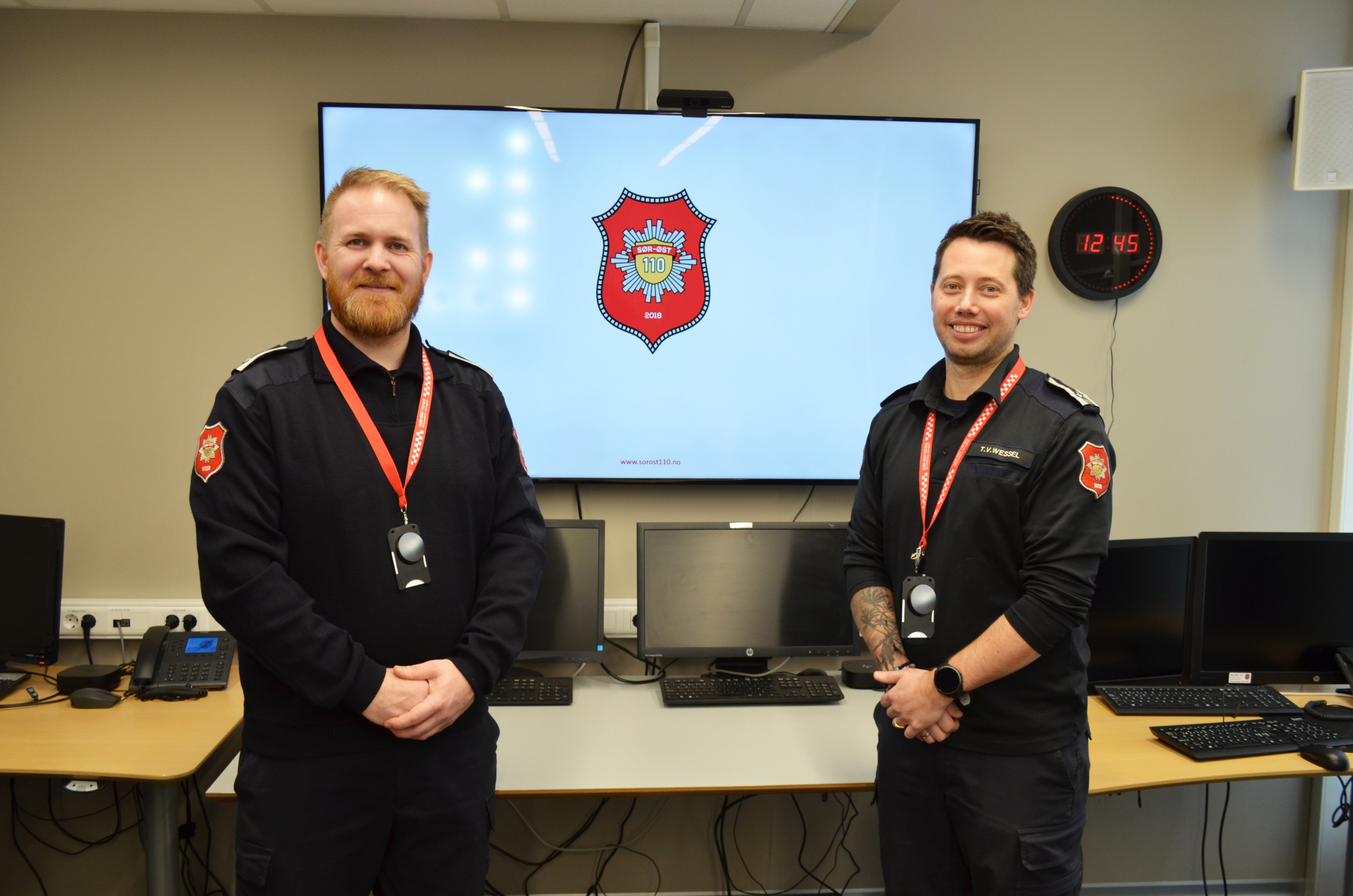
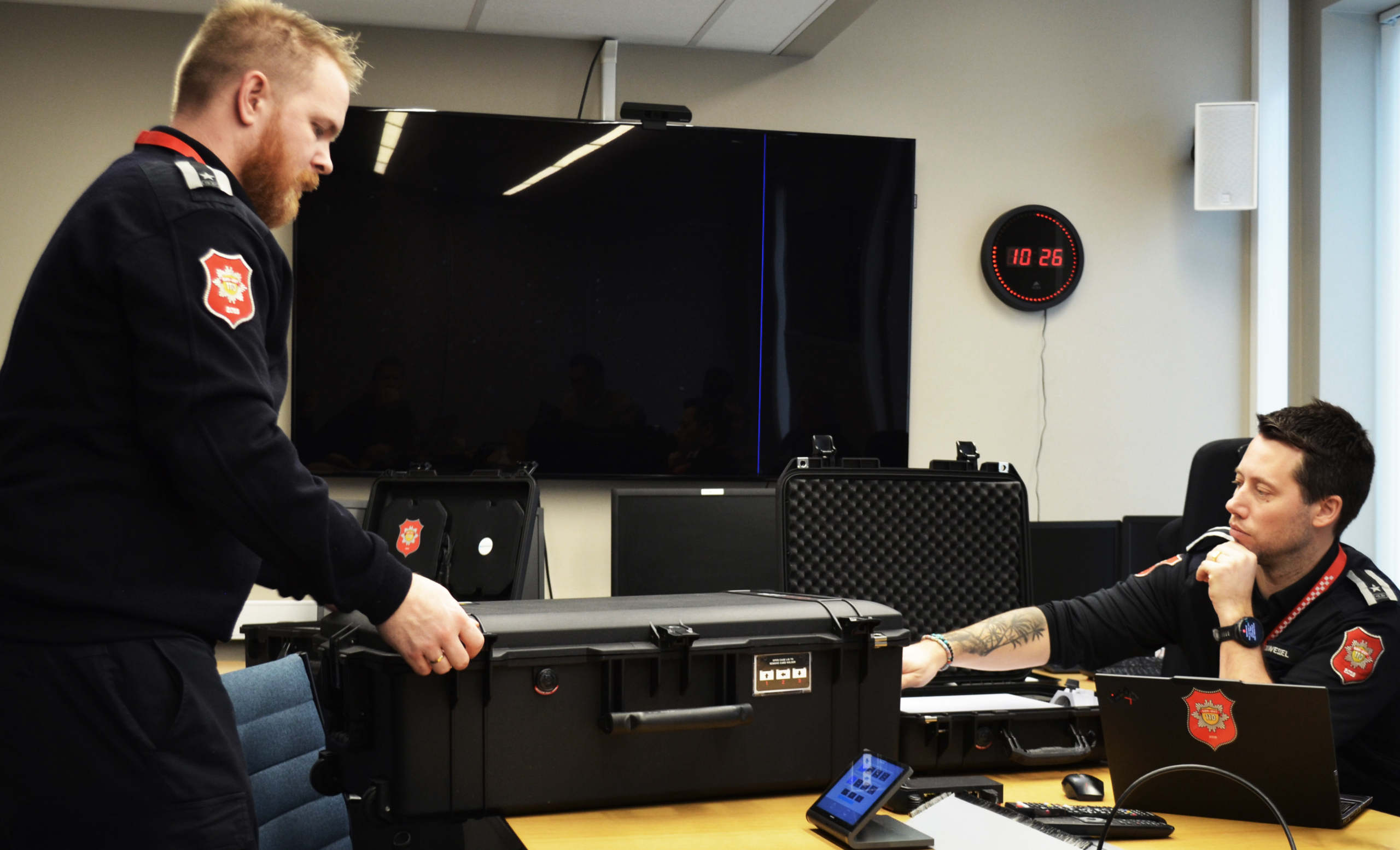
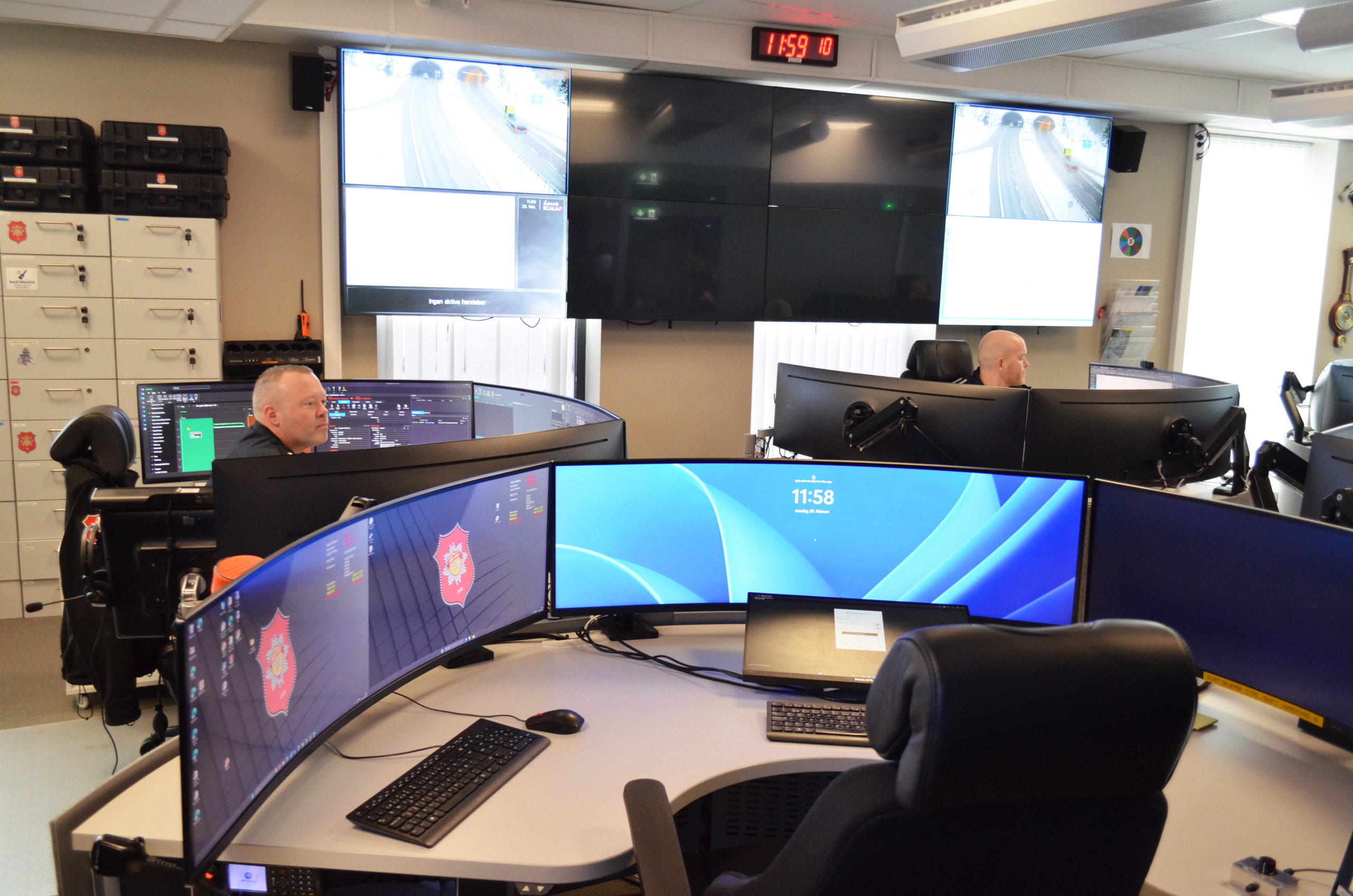
Photo: Mikael Olsson, technical manager, and Tim Vold Wessel, Fagutvikler at Sør-Øst 110.

You never know when the next accident or catastrophic event will occur. But do you know whom to call when it happens?

No, it’s not likely the “Ghostbusters”, but the emergency number. The emergency phone numbers are one of the first phone numbers you learn by heart as a child. And you expect that someone will take your call and come to the rescue. The real challenge is making sure the emergency call center is always there for everyone, even if parts of the infrastructure fail. The emergency call center also relies on stable Internet and communication infrastructure to function internally and externally.

Emergency communication

Sør-Øst 110 Interkommunalt Selskap (IKS) is one of Norway’s largest 110 emergency call centres, coordinating responses for approximately 715,000 inhabitants and more than 50 fire stations in South-East Norway. In 2024 alone, they handled close to 66,000 calls and logged around 32,000 incidents.

With an ever-increasing reliance on digital tools and communication solutions, Sør-Øst 110 IKS identified a clear vulnerability: the loss of internet access could directly affect their ability to handle incidents safely and efficiently.

They therefore began looking for emergency communication solutions that do not depend on traditional terrestrial networks. The key goal was to establish multiple independent carriers. They wanted to reduce the risk that a single failure (for example in fibre or mobile networks) would lead to loss of connectivity, and last but not least, ensure that the 110 centre can handle both everyday incidents and major crises even if parts of the infrastructure fail.


Petter Evjen Aamodt, Head of Operations Department at Sør-Øst 110
Petter Evjen Aamodt
Head of Operations Department, Sør-Øst 110

– With an ever-increasing dependence on digital solutions, the need for robust and available internet access has also become critical for our emergency preparedness. This led us to look for alternative solutions that are not dependent on the traditional terrestrial network, says Petter Evjen Aamodt, Head of Operations Department of Sør-Øst 110.

The search and rescue for a solution

Sør-Øst 110 IKS then started their search for a solution that could fit their needs. Their criteria were clear.

–  It was important for us to have a Norwegian partner who keeps data in the country and with whom we can communicate closely with. In some cases, with large foreign players, you often become just one of many customers, which does not work when you deliver a society critical emergency communication system, comments Petter Evjen Aamodt.

Sør-Øst 110 started their search and came up with a couple of partners that could check off their criteria list. The solution was in reach.

– The collaboration with Space Norway and Emcom has been crucial for us in this process, both in terms of technology and in tailoring the solution to our operational and emergency preparedness needs. It was important for us to have a Norwegian partner who keeps data in the country and with whom we can communicate closely.

Sør-Øst 110 - Emergency Preparedness Solution
Photo: Mikael Olsson, technical manager, and Tim Vold Wessel, Fagutvikler at Sør-Øst 110.

A crucial role

At their office, Sør-Øst 110 IKS demonstrated a MultiWAN setup that clearly reflects a strong understanding of emergency preparedness for connectivity. The configuration includes multiple independent communication paths, both satellite-based and terrestrial, in addition to their primary fibre connection.

They have clearly understood the need for redundant, resilient connectivity to support emergency communication. The combined throughput from these alternative connections far exceeds what they have via primary fibre alone.

Interestingly, the building is located in a 5G blind spot in the middle of Tønsberg. Even there, satellite communication plays a crucial role in maintaining their emergency preparedness. Together, these satellite services and terrestrial networks form a resilient emergency preparedness satcom layer that protects Sør-Øst 110 IKS against loss of connectivity in critical situations.

Sør-Øst 110

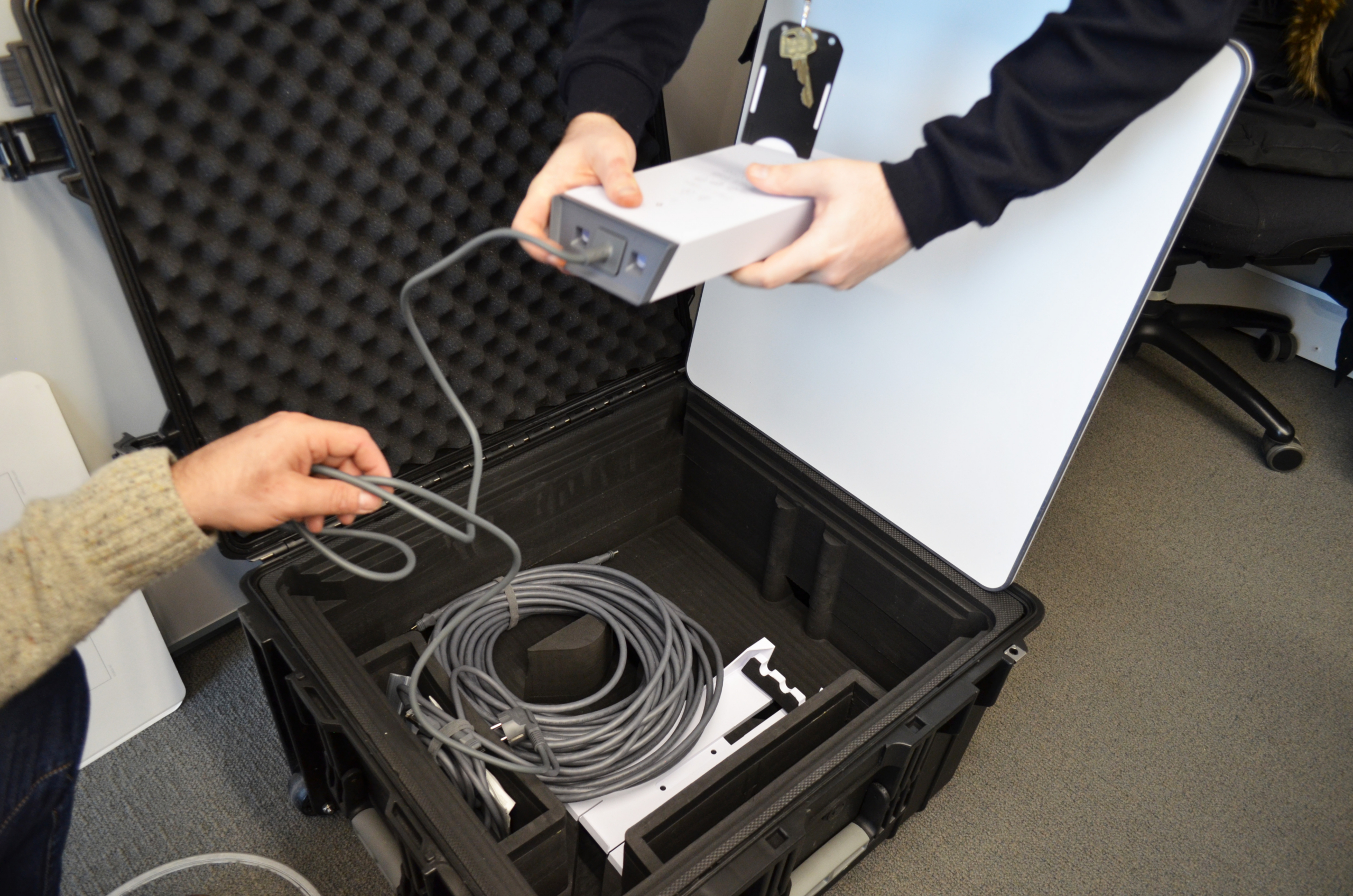
Starlink Mini: High performance and portability

Sør-Øst 110 IKS were particularly impressed with the performance of the Starlink Mini terminal:

  1. More than 200 Mbps down and 40 Mbps/20 up from an iPad-sized satellite terminal, based on their own tests
  2. Starlink Mini is perfect for portable solutions due to;
    • Compact size
    • Simplicity and ease of use
    • Long battery life and portability

For first responders and emergency services, portability and long battery life are key for field emergency preparedness.

Emergency Communication Solution

Smooth installation

Your purchase was made, but did you get what you bought? Sør-Øst 110 was not only happy with the product, even the installation went “swimmingly”, literally.

– The installation day brought sleet, rain and cold wind. Even so, two very skilled installers from Space Norway showed up, and the work was completed in a short time. The equipment was mounted and cables pulled efficiently. The installers were professionally strong, thorough – and not least very pleasant. They were getting the job done without complaints in terrible weather was noticed and greatly appreciated and stands out as one of the clear highlights of the project, says Mikael Olsson, technical manager at Sør-Øst 110.

Emergency Communication Solution

A lifesaving solution

If parts of the infrastructure fail, it is essential that the public still can manage to get in touch with the emergency call center. Sør-Øst 110 are happy with the communication solution they got from Space Norway.

– The solution gives us the stability and availability we depend on in our emergency preparedness and our emergency communication. The collaboration with Space Norway and Emcom has been decisive for us in this process. We are very satisfied with the solution we have purchased. Our solution consists of several different types of bearers. This includes VSAT, says Mikael Olsson.

Would you recommend our solution to others, and if so – what would you highlight as the most important benefits?

– Close and good communication with Space Norway and Emcom has been crucial in adapting the solution to our needs. As technical manager in Sør-Øst 110 IKS, I recommend Space Norway as a partner. A Norwegian provider of satellite communication offers both security and unique possibilities, says Mikael Olsson.

The products from Space Norway are now in use by Sør-Øst 110. If Sør-Øst 110 have experienced any “ghost calls” are not known. But if they do in the future, maybe – just maybe – they will consider calling the Ghostbusters.