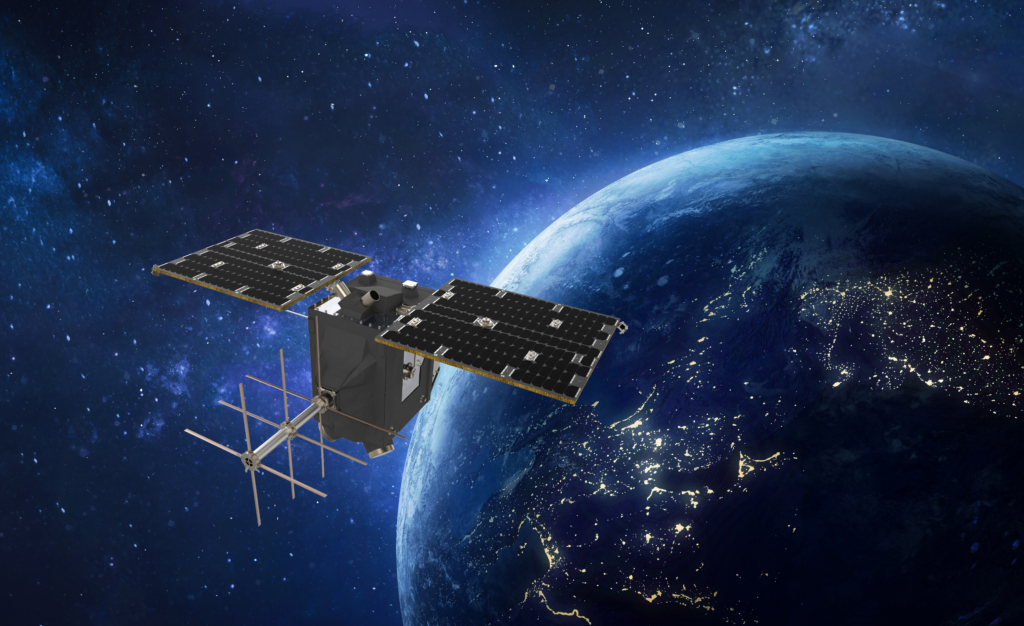
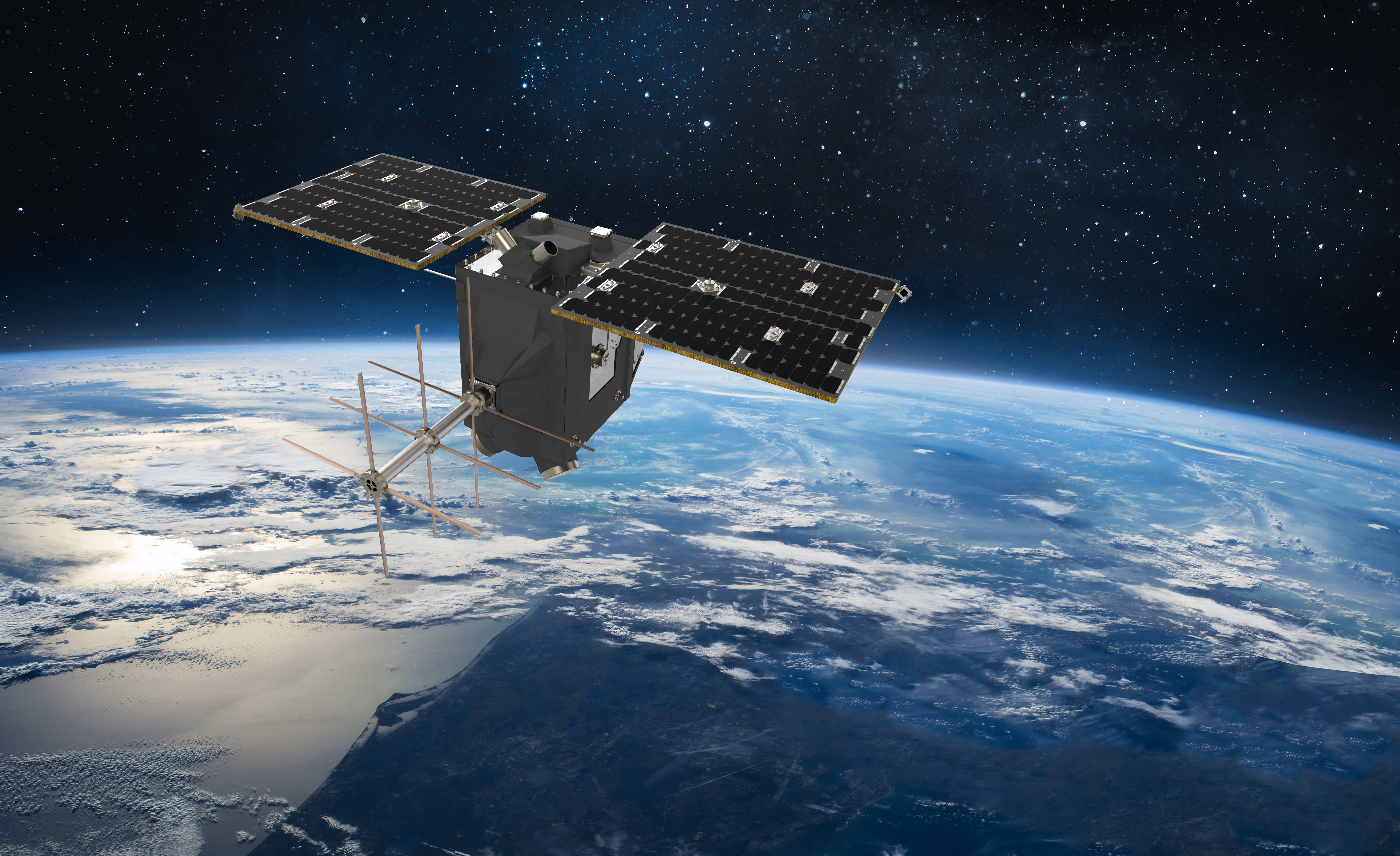
Rocket science for everyone? Almost. Space Norway is opening access to in-orbit testing with its new satellite, Mimir 1, launching on Sunday 29 March from Vandenberg Space Force Base in California. More than a satellite, Mimir-1 is a laboratory in space, designed to test new concepts in Earth observation, communications, and navigation and accelerate innovation through flexible, cost-effective access to orbit.
Mimir 1 is Space Norway’s first in-house developed satellite, designed, owned, and operated by the company. It was built and integrated by OHB Sweden, with both payloads developed in Norway.
“Mimir 1 represents a significant milestone for Space Norway. We are excited to see how the platform will enable new capabilities and deliver value not only for us, but for partners across the space sector,” said Marte Kalveland, Director of Earth Observation and Innovation at Space Norway.
Space Norway plans to make capacity available on Mimir 1 to other space industry stakeholders as well as academia. The satellite has therefore been designed for flexibility and ease of use, enabling more companies to test promising ideas in space. The design, construction and launch of satellites is time consuming, costly and requires specialised expertise. By booking capacity on board Mimir 1, companies with strong ideas for space-based services gain the opportunity to test their concepts before investing in their own satellite development and production.
Mimir Payload
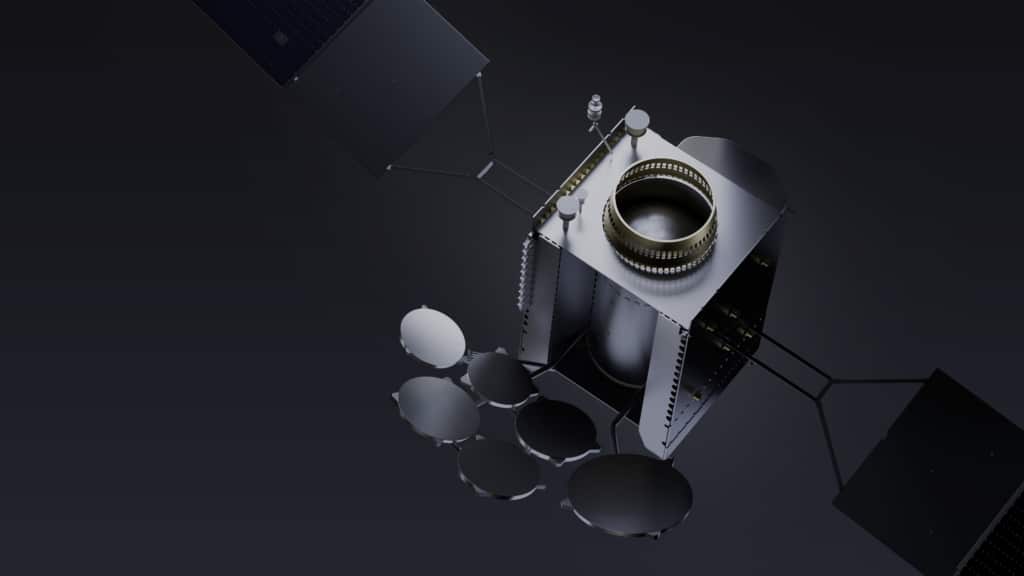
The primary payload on board is a Software Defined Radio (SDR) with several different antennas covering a wide frequency range. What makes Mimir 1 unique is that it carries an onboard computer that can be programmed from the ground while the satellite is in orbit.
For traditional satellites, mission tasks are defined prior to launch and cannot be changed once in orbit. Mimir 1 takes a different approach, serving as a development platform rather than a conventional operational satellite. Flexibility and rapid development are central to the project, enabling Space Norway to support the development of new services and more advanced, better-defined payloads in the future.
The first experiment focuses on satellite-based Internet of Things (IoT) services. Space Norway will test IoT services in new frequency bands on behalf of the European Space Agency (ESA). The Mimir project is developing a user interface for planning different types of experiments involving both the satellite and ground terminals.
The secondary payload on board is a VDES (VHF Data Exchange System) communications system, developed for data exchange between vessels and satellites or coastal stations. The difference between AIS (Automatic Identification System) and VDES is that VDES enables two-way communication, whereas AIS is limited to one-way transmission. The Mimir payload is expected to make a significant contribution to ESA’s multinational VDES cooperation project.
About Mimir 1 and AISSat-4
Mimir 1 will operate in low Earth orbit and will be separated from the launch vehicle at an altitude of approximately 600 km. The satellite weighs 93 kg, has a wingspan of 2.3 metres and a planned operational lifetime of seven years.
At the same launch, the AISSat4 satellite will also be sent into orbit on the same rocket from Vandenberg. This satellite will be operated by StatSat, a subsidiary of Space Norway. AISSat4 is owned by the Norwegian Coastal Administration (Kystverket), and StatSat currently operates four other satellites on behalf of them and the Norwegian Space Agency.
Follow the launch of both satellites at 12:20 CET:
The above link will be active closer to launch.
AISSat4:
- Time from launch to separation: 55 minutes, separation at approximately 13:22
- Time from separation to first ping (signal from the satellite): 1 hour
Mimir1:
- Time from launch to separation: 2 hours 18 minutes, separation at approximately 14:48
- Time from separation to first possible ping: 1 hour 16 minutes, at approximately 16:04
As always, satellite launches may be delayed in time and the timings may change