Back to all News

What’s next for satellite communications?

Telenor Satellite steers the course of future satellite communications
Delivering reliable innovation

Telenor Satellite shares its views on today’s satellite communications industry and offers insights on the course for future success in the November / December issue of Satellite Evolution magazine.

Find out more about our satellite services for broadcast and data transfer for maritime and land-based sectors.

Back to all News

Sea trials are anything but a trial with Space Norway.

Maritime VSAT services for ships

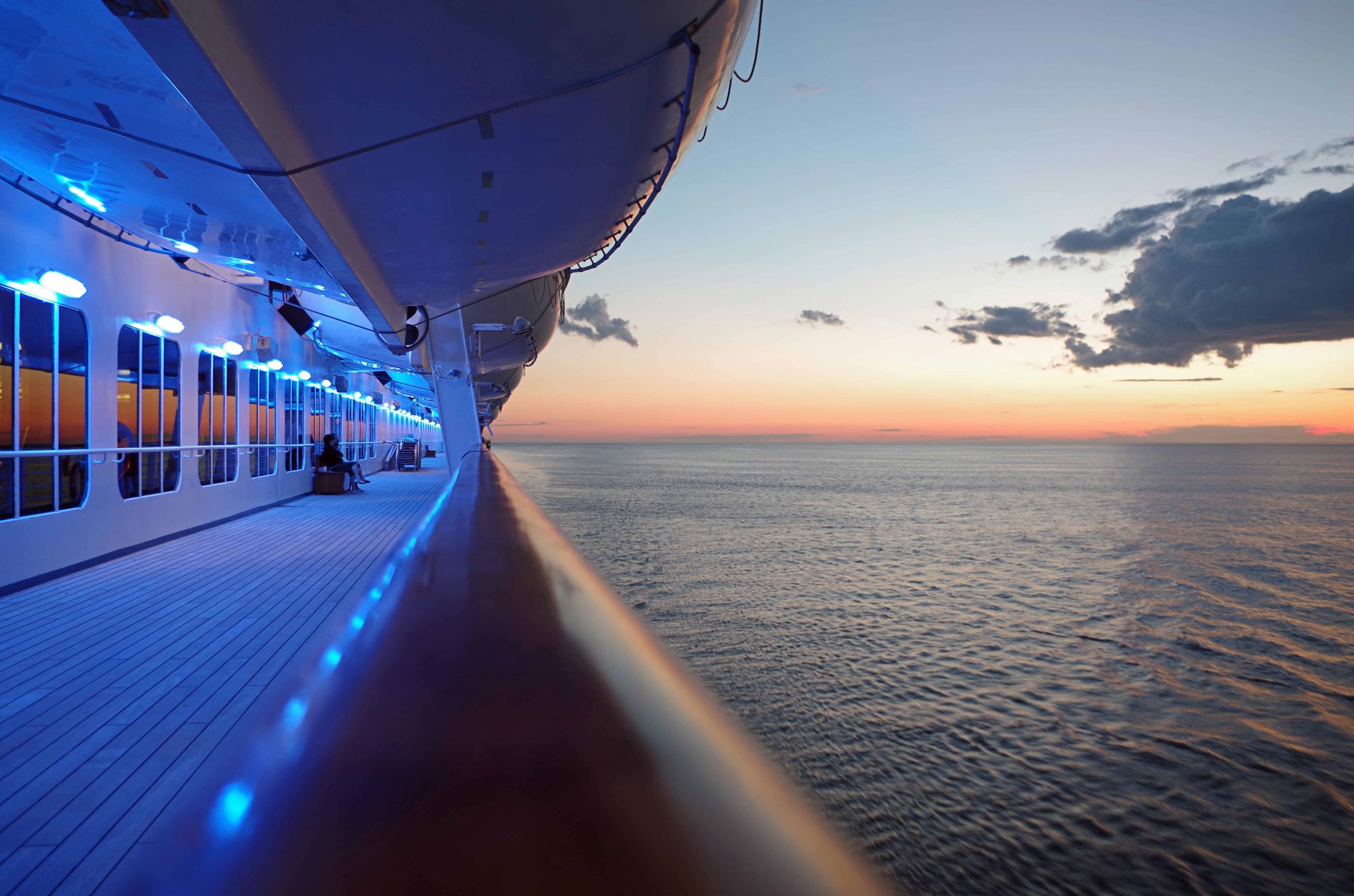
Sea trials on a ground-breaking new cruise liner are currently underway. The ship will be able to carry up to 6,500 passengers alongside its crew, and Telenor Satellite is excited to be playing a significant role in the testing phase.

To build a ship of this nature normally takes upwards of two years from laying of the keel to delivery, but the final period in the build process consists of intensive testing of all the infrastructure and systems to identify any issues. This is the point where Telenor Satellite comes in.

Through our trusted partner AST, we have been contracted to supply satellite communications to the ship as it is put through its paces in the seas around the Nordic region. Our THOR 7 satellite is supplying Ka band High Throughput Satellite (HTS) services for the testing of all the electronic systems onboard the vessel such as telemetry, navigation systems, engine management, video conferencing, air conditioning services, reporting and every other communications system linked back to shore.

Our flexible service and excellent coverage from our prime position at 1°West makes us ideal providers for sea trials running as they do for a relatively short time period only in this specific regional area. We are agile enough to be able to supply a super high bandwidth, high quality service for a limited period with an option to extend if the sea trial needs to continue for longer.

AST is a global satellite communications services and equipment supplier with over 25 years’ experience, and Telenor Satellite has been supplying communications through the company for more than six years. During this time, a very strong relationship has developed between our companies, and we share an ethos of always putting the customer at the heart of business and believing that partnerships between like-minded companies facilitate that.

Chris Schonhut, AST’s Head of Maritime Sales and Operations for Europe, the Middle East and Africa, explains why AST was selected to provide satellite services throughout the sea trials:  “AST, via a trusted local partner, provides the full end to end service for the customer, not only does the customer get use of Telenor Satellite’s HTS THOR 7 service they also get full visibility of the data being passed over the link via our INTEGRA services, all backed up by AST’s 24/7 Global Customer Support.”

Chris Schonhut
Head of Maritime Sales and Operations EMEA, The AST Group.

“From our point of view, Telenor Satellite provides us great flexibility combined with a very rapid response time, and our two teams are now so used to working closely together that issues are resolved in as short a time as possible. Everything in the maritime world is time critical but that is particularly the case with sea trials where the financial imperative is to complete the checks and deliver the vessel.”

In terms of the sea trial, data from every single system installed on the ship is being transmitted back to shore where it is analysed. To support this, Telenor Satellite is making available 50/5 Mbps, or even higher if needed, on Ka band to provide the best possible results, a provision that can be extended at short notice if required.

This is combined with AST’s unique INTEGRA services, ensuring the shipyard has complete visibility as to where the data is being used at any time, and demonstrating that they are gaining the maximum benefit from the service. Furthermore, INTEGRA provides real time application control so that some categories can be blocked without affecting others, for example video streaming can be disabled while still allowing texts or calls.

Sea trials can certainly place very specific demands on communications services but, because of the close collaboration between all the different parties involved, the end result has been that of a flexible, visible and high-quality provision that has performed extremely well.

Jan Hetland, Director, Data Services.
Jan Hetland
Director, Data Services, Space Norway (formerly Telenor Satellite).

“At Telenor Satellite, we are thrilled to support AST on such missions, as they require the high performance we are able to offer, as well as speed and responsiveness in our service provisioning. We love the challenges that arise from systems’ testing and look forward to our next ‘shakedown cruise.”

Back to all News

Forging a new path with THOR 10-02.

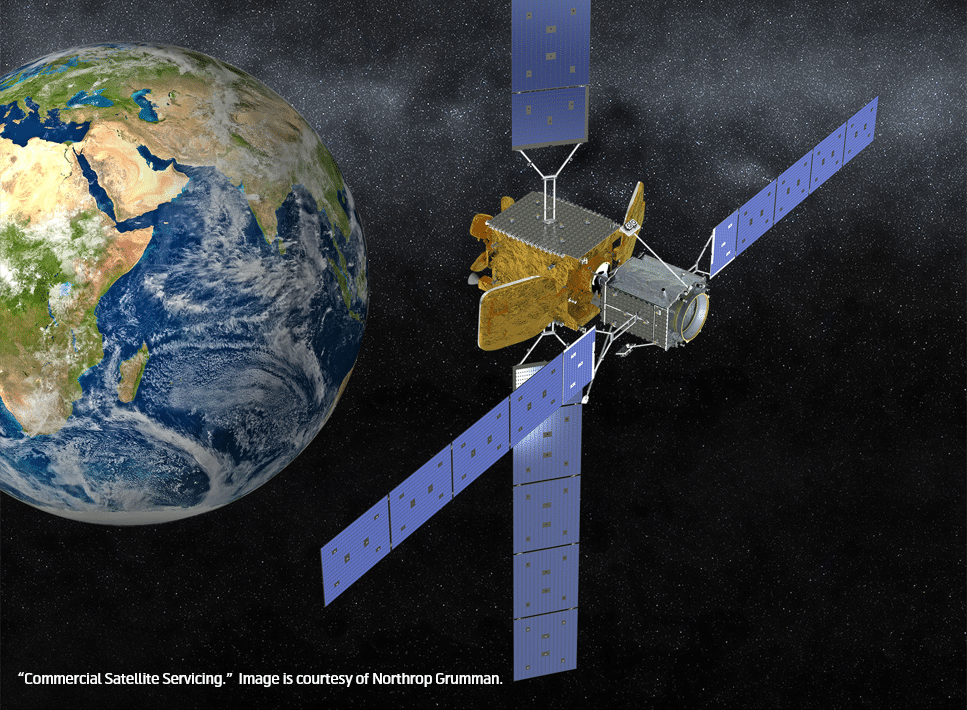
Commercial Satellite Servicing. Image is courtesy of Northrop Grumman.

It was roughly four years ago that we first started exploring the best options for the future of THOR 10-02/ IS 10-02, a satellite which we share with Intelsat. We knew that the satellite was in excellent health and that, if it wasn’t for the fuel, it would have the potential for many years of continued operation. As with all satellites, once the fuel gauge shows it is close to depletion, we would need to retire it from active service and relocate it out of geostationary orbit.

It was fortunate for us that the timing of our research lined up with news of a new, game-changing satellite servicing technology that was on the horizon. We knew that we had a very healthy satellite in all respects with the capacity to continue operation for some years to come, if only it had the fuel supply to maintain its position.

THOR 10-02 carries thousands of valuable communication links on its Ku payload, including maritime connectivity, land-based services, video contribution and occasional use, making crucial communications possible in inaccessible, unconnected and remote locations throughout Europe and the Middle East. We were very keen to carry on the services in a way that would keep our commitment to serve our customers and allow us to maintain our THOR fleet of satellites in an efficient manner. We realized early on that this new life-extension technology being developed by Northrop Grumman, the Mission Extension Vehicle (MEV), was definitely worth further investigation.

As part of the life extension procedure, the MEV-2 satellite will be docked onto the communications satellite while in full operation, effectively providing the space equivalent of a jetpack, taking control over both the orbit and pointing of THOR 10-02. The result of this would be the extension of the operational life of THOR 10-02 by up to five years, allowing our customers to continue to benefit from the communications links upon which they rely.

Naturally, when you are dealing with innovative technology, there are concerns about the reliability and safety of a new and untested system and we certainly questioned in great detail how it would work and what safeguards were in place. For us, it is always vital to know that there will be no disruption to the service we deliver to our customers, so we couldn’t risk an unproven system.

Taking part in the second MEV mission, we were reassured by observing the MEV-1 pathfinder mission in operation, when it first docked with a satellite. This docking was with a satellite which was, at that time, in a graveyard orbit, roughly 350 km above the geosynchronous orbit where we operate our THOR fleet. And, in fact, we at Telenor Satellite, have always been open to fresh ideas, and are not strangers to innovation, having been at the forefront of the introduction of more sophisticated communications to the maritime sector. To name a few; we were pioneers in equipping ships with VSATs on stabilized platforms, we went for early adoption of Ka-band and multi-spot beams, and we were an early mover in offering managed services to our resellers.

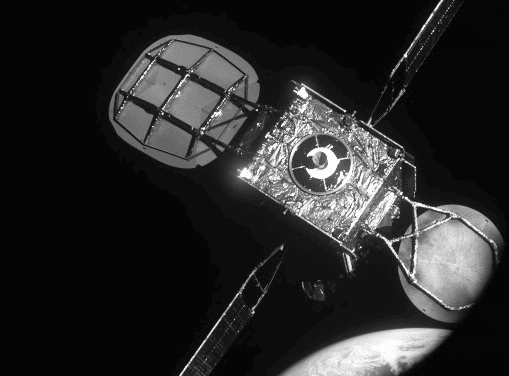
MEV-1 (MEV-2 precursor mission) captured this image of Intelsat-901 prior to docking in February 2020.
MEV-1 (MEV-2 precursor mission) captured this image of Intelsat-901 prior to docking in February 2020. Photo: Northrop Grumman/SpaceLogistics.

MEV-1 (MEV-2 precursor mission) captured this image of Intelsat-901 prior to docking in February 2020. Image: courtesy of Northrop Grumman/SpaceLogistics.

The pathfinder mission pioneered by Intelsat and Northrop Grumman, MEV-1, was a great success, docking with the satellite and moving it back into geostationary orbit. At that point, we were fully convinced that we had made the right choice in terms of opting for the MEV technology.

MEV-2 was successfully launched on an Ariane 5 rocket from Kourou, French Guiana on 15 August, 2020, starting the countdown to its arrival in geostationary orbit. It is currently working its way towards THOR 10-02 and is scheduled to dock in early 2021. The docking procedure will occur while the satellite remains fully operational, ensuring minimal interruption to service.

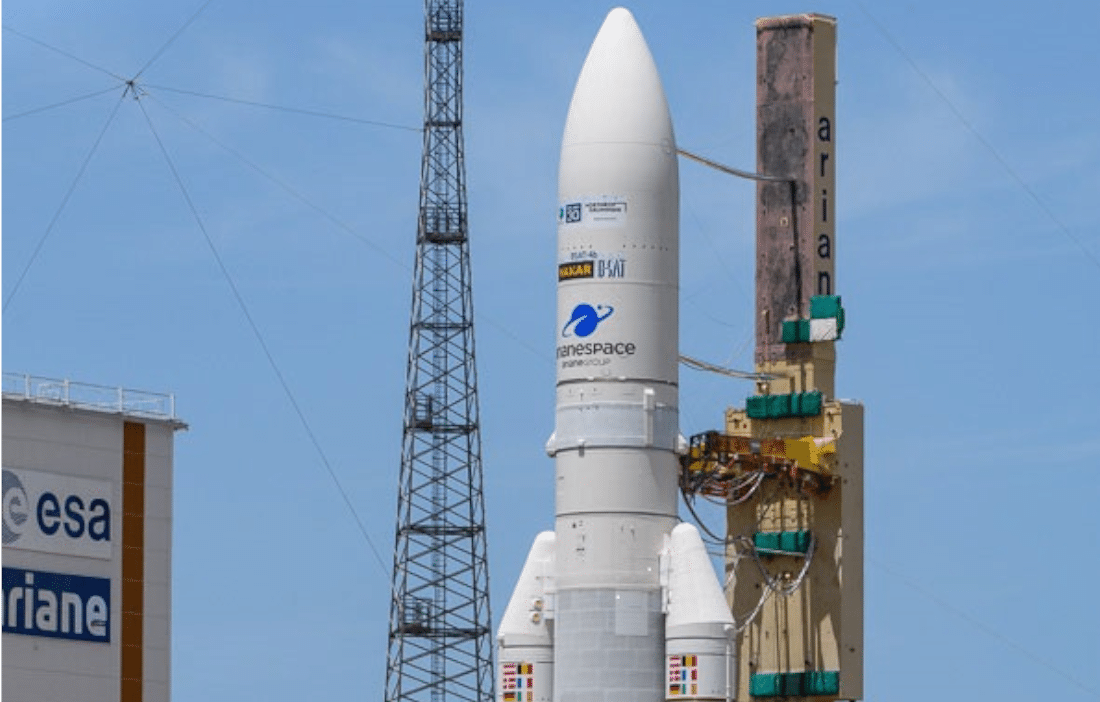
Arianespace’s fifth mission of 2020 used an Ariane 5 with increased payload capacity, resulting from the integration of a new vehicle equipment bay. Flight VA253. Galaxy 30, MEV-2 and BSAT-4b.
Décollage champ large, le 15/08/2020. | Wide view lift-off. 08/15/2020.

Arianespace’s fifth mission of 2020 used an Ariane 5 with increased payload capacity, resulting from the integration of a new vehicle equipment bay. Flight VA253. Galaxy 30, MEV-2 and BSAT-4b. Image courtesy of Arianespace. Décollage champ large, le 15/08/2020. | Wide view lift-off. 08/15/2020.

It has been an exciting time for Telenor Satellite and we are very proud to be part of this innovative new technology. We believe this is just the first step along with way for in-orbit servicing and the technology has the future potential to refuel, repair and de-orbit satellites opening up many more options for satellite operators like ourselves. Telenor Satellite is currently contributing with operator insights to a European Space Agency (ESA) project, where Airbus is the prime contractor, looking at the wider possibilities for in-orbit servicing and investigating how feasible, not only in practical terms but also commercially, they might be.

Article contributed by Peter Olsen, Director Business Development, Telenor Satellite.

 Peter-J-Kaland-Olsen, Director Business Development, Telenor Satellite

Peter has more than 20 years of experience from the space industry. Peter has held various managerial positions related to satellite operations, procurement and business development. Prior to joining Telenor, Peter has worked with European Space Agency, TSAT and EUMETSAT. Peter holds a Master of Science in Electrical Engineering from the Norwegian University of Science. He also holds a Masters of Space Systems in Engineering from TU Delft, TopTech School of Executive Education.

Back to all News

Nothing eclipses our service!

Eclipse season

For three quarters of the year, sunlight streams continually onto the solar arrays to supply electrical power, but twice a year, for the 46 days the satellite is, for a portion of the day, obscured from the sun by the earth. This is called an eclipse.

Satellites are powered by a combination of solar power and batteries. All on-board electrical systems, from transmitters, computers, command receivers, to the payload itself, rely on a power source coming from the solar panels/batteries. The time that the solar panels are in the earth’s shadow varies from a few minutes at the beginning and end of the season up to a peak of 72 minutes on the days around the spring and autumn equinoxes.

Prior to each eclipse season, we run tests on our batteries to make sure that they are functioning well, so that we can ensure that our clients won’t experience any reduction in service during that period.

During the eclipse, the satellite receives no power from its solar panels and so relies on an alternative source of energy. The batteries are kept fully charged by the solar arrays so that they are ready to use as required. In the current configuration, charging can take up to 18 hours after a 72-minute eclipse, although a quicker charge is possible if needed. The batteries have been designed to manage the possibility of an earth eclipse followed by a lunar eclipse on the same day, this is not a regular occurrence but the two will coincide during the life of the satellite, necessitating a greater draw on the batteries.

From the point of view of the satellite controller on shift, the switch from solar to battery power doesn’t require much input, as the satellite itself manages the switch of power source, but the controller is obviously alert to problems and can activate a manual switch if necessary. The eclipse, and battery charging, do not stop any other activity being performed by the satellite and the customer will experience no interruptions. As soon as the earth’s shadow passes, the solar arrays are illuminated by the sun and they are once again able to generate electricity to power the satellite and charge the batteries. Ready for the next eclipse.

We have just finished the autumn Eclipse season which came to an end on Wednesday 14th October. The batteries have been performing just as well as expected – and have ensured that nothing obscures our service!

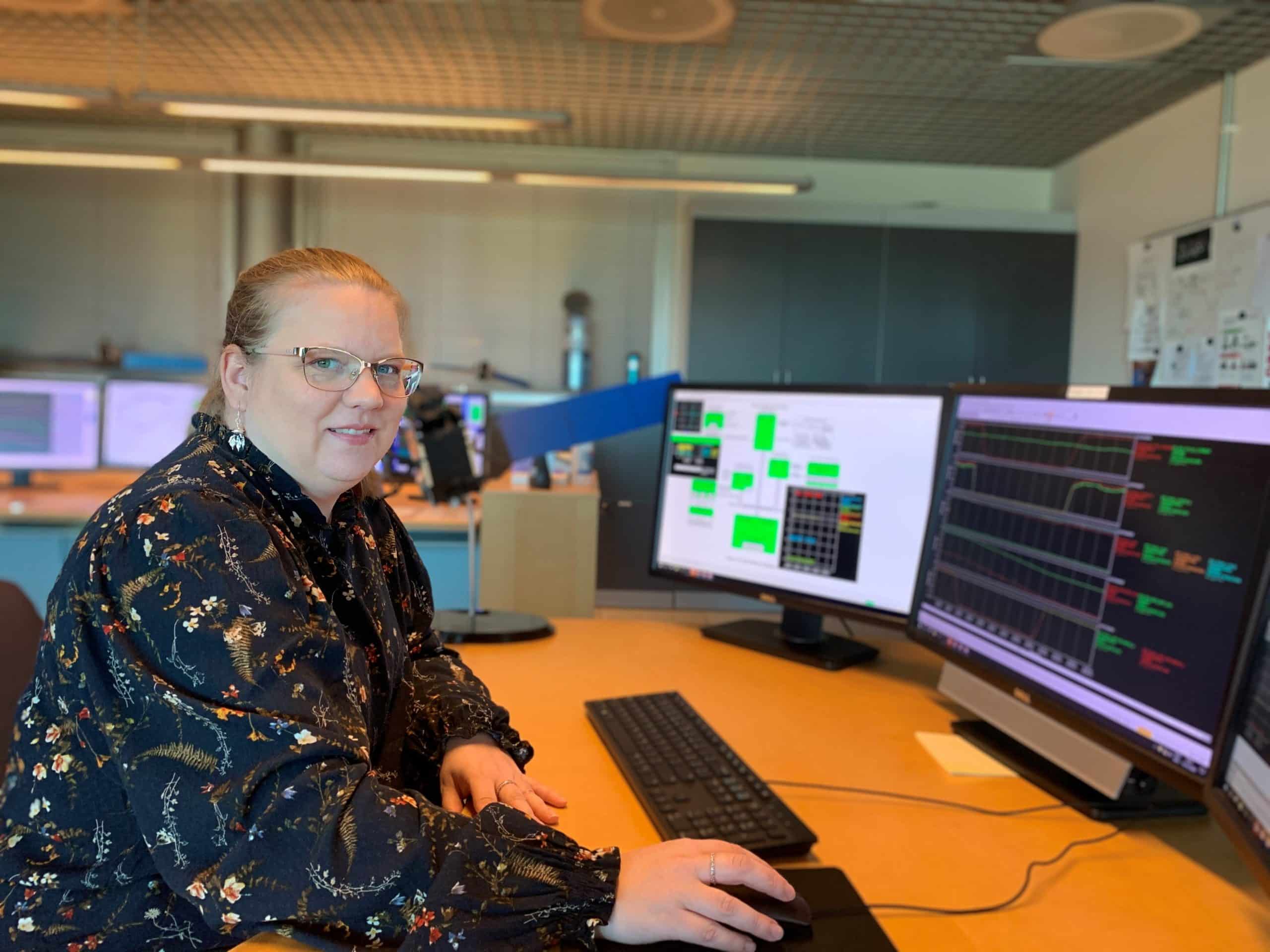
Kristina Lärfars, Lead Spacecraft Engineer at Space Norway, is monitoring the data for the last eclipse on THOR 5.

About the contributor

Kristina Lärfars joined our company in 2006 as a Controller in the MCR, but was soon moved over to the Satellite Operations team at Fornebu. She joined just in time to play a part in the exciting last phase of the THOR 5 project and has been the Lead THOR 5 Engineer for most of its lifetime. She has also been involved in the THOR 6 and THOR 7 projects as part of the team tasked with preparations to operate the new satellites after launch. Kristina has a Bachelor of Science degree in Engineering, with a major in Space Engineering, from Umeå University, Sweden. She also has a Master’s degree in Astronautical and Space Engineering from Cranfield University, UK.

Back to all News

Telenor Satellite embarks on a ground-breaking satellite life-extension service for its THOR 10-02 satellite

Image: “Moving into position in the Spaceport’s ELA-3 launch zone is Ariane 5 with its three-satellite payload. Flight VA253. Galaxy 30, MEV-2 and BSAT-4b” ©2020 ESA-CNES-ARIANESPACE / Optique video du CSG-P BAUDON

Space Logistics (a subsidiary of Northrop Grumman) was contracted to deploy its Mission Extension Vehicle MEV-2 to prolong the operational life of THOR 10-02/ Intelsat 10-02 for up to five years.

The successful launch of MEV-2 from Kourou, French Guiana on 15 August started the countdown to its arrival in geostationary orbit. It was launched on board an Ariane 5 rocket and is scheduled to dock with THOR 10-02/ Intelsat 10-02 in early 2021. The docking procedure will occur while the satellite remains fully operational, ensuring minimal disruption to service.

THOR 10-02/ Intelsat 10-02 was launched in 2004 and is still in excellent health. It carries thousands of valuable communication links, including broadcasting, maritime connectivity and land-based services, making crucial communications possible in inaccessible and remote locations. Without intervention, the life-limiting factor for the satellite would have been the amount of on-board propellant which is scheduled to run out towards the end of 2021.

Ensuring continuity of service for customers is of primary importance to Telenor Satellite, and this will be achieved through a safe rendezvous and docking operation. To be certain that this manoeuvre can be successfully accomplished, the MEV service was successfully validated on a ground-breaking precursor mission (MEV-1), which returned Intelsat’s IS-901 from outside of the geosynchronous orbit back into service in March 2020.

As part of the life extension procedure, the MEV-2 satellite will be docked onto the communications satellite while in full operation, effectively providing the space equivalent of a jetpack and so extending the life of THOR 10-02/ Intelsat 10-02. When properly docked, the MEV-2 satellite will take over control of both the orbit and pointing of THOR 10-02/ Intelsat 10-02.

Morten Tengs, CEO of Telenor Satellite, said: “We have great confidence in the MEV-2 mission and look forward to the continued service of THOR 10-02 for the benefit of our customers across Europe and the Middle East. THOR 10-02 carries thousands of valuable communication links, including broadcasting and maritime connectivity and, for those living in remote and inaccessible sites, makes possible and maintains, crucial communications. By employing this ground-breaking advancement to replenish the longevity of a high-quality satellite in excellent health, we are able to ensure a hassle-free continued operation for our customers,” Mr Tengs added.

Back to all News

Keeping people connected with the natural world

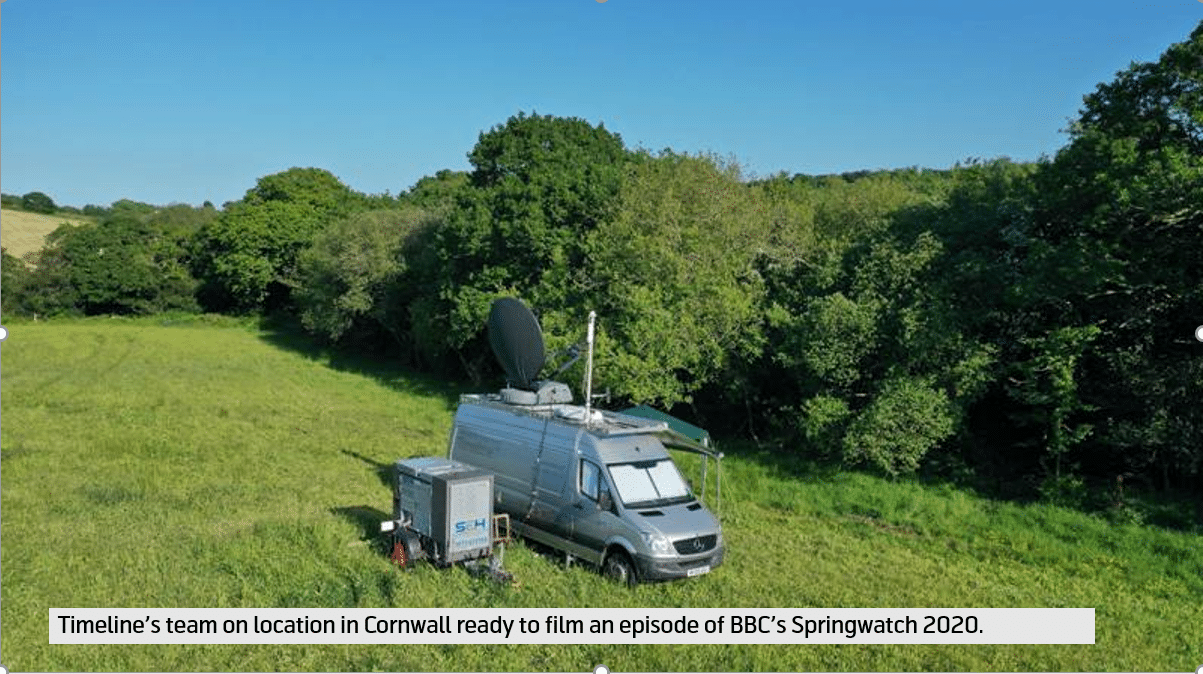
The result of a collaboration between the BBC Studios Natural History Unit, Cloudbass (wildlife hub), Timeline and Telenor Satellite, Springwatch was one of the few new live productions to be aired during the 2020 pandemic
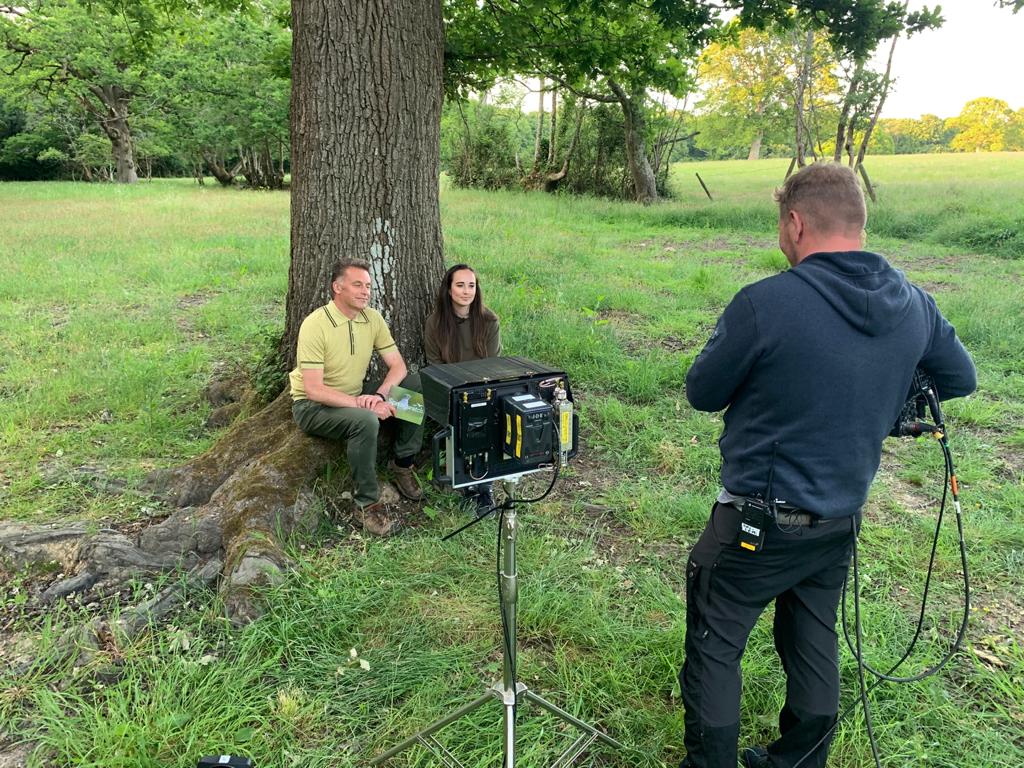
The result of a collaboration between the BBC Studios Natural History Unit, Cloudbass (wildlife hub), Timeline and Telenor Satellite, Springwatch was one of the few new live productions to be aired during the 2020 pandemic. Pictured here are presenters Chris Packham and Megan McCubbin on location in Cornwall where internet connectivity is almost non-existent. Photo: BBC

While many of the world’s population have been sitting in doors, waiting for the pandemic to pass, we tend to forget that the rest of the world, the non-human part, has been relatively unaffected. In actual fact, for many species, the pandemic has literally thrown them a lifeline.

And nowhere can this reality be better seen than on BBC’s Springwatch. Offering the opportunity to observe nature as it awakens after a long winter, it has been shining a spotlight on the natural world at a time when far too many of us are unable to get out into the countryside ourselves.

But Springwatch would not exist if it were not for the technology that supports it, particularly at a time of social distancing where connectivity has to be provided through that technology.

Telenor Satellite has provided essential satellite capacity for Springwatch many times since it was first aired in 2005, but this year that need for satellite connectivity has been taken to a different level. With presenters based in the New Forest, Wales and Cornwall, satellite communications have been ensuring that working remotely has not resulted in any loss in quality of the programme.

Timeline had recognised the necessity for remote production and put into place a strategy for dealing with the social distancing requirements but still fulfilling the specific needs of an outside broadcast such as Springwatch.

The result of this collaboration between the BBC Studios Natural History Unit, Cloudbass (wildlife hub), Timeline and Telenor Satellite is that Springwatch has become one of the few new live productions to be aired during the pandemic. And all this despite the difficulties of working with the almost non-existent internet connectivity of the Cornish locations.

The production itself has involved multiple camera feeds in different locations along with a reverse vision feed to all locations from Timeline’s Ealing Broadcast Centre where presenter sites are being downlinked. Using a mix of KA and IP connectivity, a small group working in the gallery, a mobile earth station and the rest of the production team working from home (even the graphics operator is providing live captions and graphics feeds remotely), it is a very dispersed way to make a show but it has worked well.

Providing reliable and stable connectivity is an essential part of occasional use satellite provision but, just as important as that, building trust and understanding between all parties means that everyone can get on with doing their job, secure in the knowledge that the technology will support them.

Back to all News

Broadcast life after global lockdown.

Woman watching TV broadcast

Broadcasting has been an industry in evolution since its beginning: radio, black and white TV, the introduction of colour, news only channels, 3D trials, the move to HD and UHD, and more recently the growth in streaming. But the question on everyone’s lips is – what happens after a global lockdown?

COVID-19 has caused a sea change in people’s lives worldwide. Many are trapped in their homes, unable to visit friends or family. And external forms of entertainment have all but disappeared for the time being.

It has been a time where broadcasting has been at the core of people’s lives, keeping us connected to events around the world and also and, just as importantly, keeping us entertained. The irony perhaps is that broadcasting, like virtually every other industry, is itself in a state of limbo.

As all channels search for the most appealing and relevant back catalogue items, there have been changes in the platforms we use to access content, the type of content that we are choosing to consume and the quantity of time spent viewing.

For sure, news consumption is peaking and is being viewed for the most part on traditional linear platforms so those broadcasters with a clear and present news profile will continue to be in a strong position. Additionally, streaming has seen a massive increase in many markets even though the launch of many planned shows has been postponed as filming is incompatible with social distancing.

Probably the most uncertainty in the industry is caused by the near 100 % cancellation of sporting events from football to tennis, motorsport to athletics – all normally expect a huge amount of audience engagement. As these are frequently shown on pay-TV serious questions arise. Does the end-user still have to pay for a service that wasn’t delivered? Does the pay-TV operator have to continue to pay for the rights to events that aren’t taking place? And how can the broadcaster fill the empty airtime?

Another aspect of the current situation is that broadcasters have seen a drop in advertising revenue- not equally across the board but depending on targeted geographical market. This reduction in revenue will inevitably have a medium to long term effect on programming, production spend, number of channels available and the distribution strategy of the company.

Even prior to COVID-19, the broadcasting industry had already seen several years of a changing market place: from linear to streaming, a reduction in advertising spend, competing technologies, increasing gaps in the viewing habits of different generations to name but a few. So, as an industry, it is used to adapting to changing demands from its audience.

If the current situation were to continue for another six months, with no live sports, minimal new drama content, increased levels of unemployment and people continuing to self-isolate, then it is highly likely that there will be significant changes to the broadcast industry.

COVID-19 has led to an even bigger increase in the numbers subscribing to streaming services. But also, more people are consuming content from home rather than on the move via smart devices. Will we in future keep up this love affair with the bigger screen and turn our backs on viewing in miniature? Have we grown to appreciate viewing together as a family? Does the lack of sport mean that couples are enjoying Hollywood movies together?

Ole Ledang, Director, Broadcasting.
Ole Ledang
Director Broadcasting Division, Telenor Satellite.

“Telenor Satellite strongly believes that the broadcasting industry will continue to adapt and evolve. In our core markets – CEE and the Nordics – viewing habits in a post COVID 19 ‘normal’ world will demand linear broadcasting products – side-by-side with SVoD products.”

Live events such as sports, news and general entertainment and reality shows stay strong, and the pay-TV operators, the broadcasters and satellite operators will continue to improve and develop the delivery of high quality entertainment end-users. “I am sure that one day, Telenor Satellite will deliver signals from the World Cup or the Olympics in UHD or 8K to a 90-inch screen in your living room. I look forward to that day”, Ole Ledang concludes.

Back to all News

Telenor Satellite to complete satellite life-extension service for THOR 10-02 satellite.

MEV-1 (MEV-2 precursor mission) captured this image of Intelsat-901 prior to docking in February 2020.
MEV-1 (MEV-2 precursor mission) captured this image of Intelsat-901 prior to docking in February 2020. Photo: Northrop Grumman/SpaceLogistics.

Telenor Satellite is pleased to announce that in conjunction with Intelsat, it will be undertaking an on-orbit mission extension servicing of its THOR 10-02 (aka Intelsat 10-02) satellite.

Due to the excellent health of Telenor Satellite’s payload on THOR 10-02 and the continuing high value benefits to our customers, we are pleased that the satellite will have its operational life extended with the MEV-2 (Mission Extension Vehicle). As previously announced by Intelsat, Space Logistics (a subsidiary of Northrop Grumman) is contracted to deploy its Mission Extension Vehicle MEV-2 to prolong the operational life of THOR 10-02.

We are very pleased to see that the precursor MEV-1 has been declared a complete success and congratulate Intelsat and Northrop Grumman for this ground-breaking achievement!

We are now looking forward to having our payload as part of the next mission to take place later this year. We will continue to provide further details on this exciting mission in due course.

Back to all News

Bringing live transmissions out of the most isolated parts of Alaska.

Live transmissions from Alaska

When BBCOB Comms and Timeline-TV approached us about getting connectivity out of some the remotest parts of Alaska for the amazing BBC programme Wild Alaska Live, the Telenor Satellite’s OU team’s motto “No Mission Impossible” kicked in.

Telenor Satellite was faced with the challenge of finding several Ku-band satellites with coverage over Alaska with connectivity to the US and UK.

Multiple paths were required out of four locations, as well as reverse vision feeds to enable the main studio to keep in touch with the remote sites. One of the locations where a small studio & uplink was located, Katmai National Park, only source of power were batteries, charged by solar panels and hydrogen fuel cells. Even with state of the art SSA’s this limited the up-link to 50W. Telenor was faced with the challenge of finding a satellite “hot” enough to get the job done. As well at satellite coverage, fibre was used to provide the transatlantic connectivity to and from the US.

Live broadcasting from Alaska
Our OU team relished the challenge of being involved in something so exciting and unique.

“Telenor definitely had the easier job, coordinating the coverage from the office, compared to the operational team working in challenging conditions in Alaska”, commented Zara Evans, Bookings Manager at Telenor Satellite. Over the two weeks testing and filming, Telenor booked over 140 feeds, all without a single glitch.

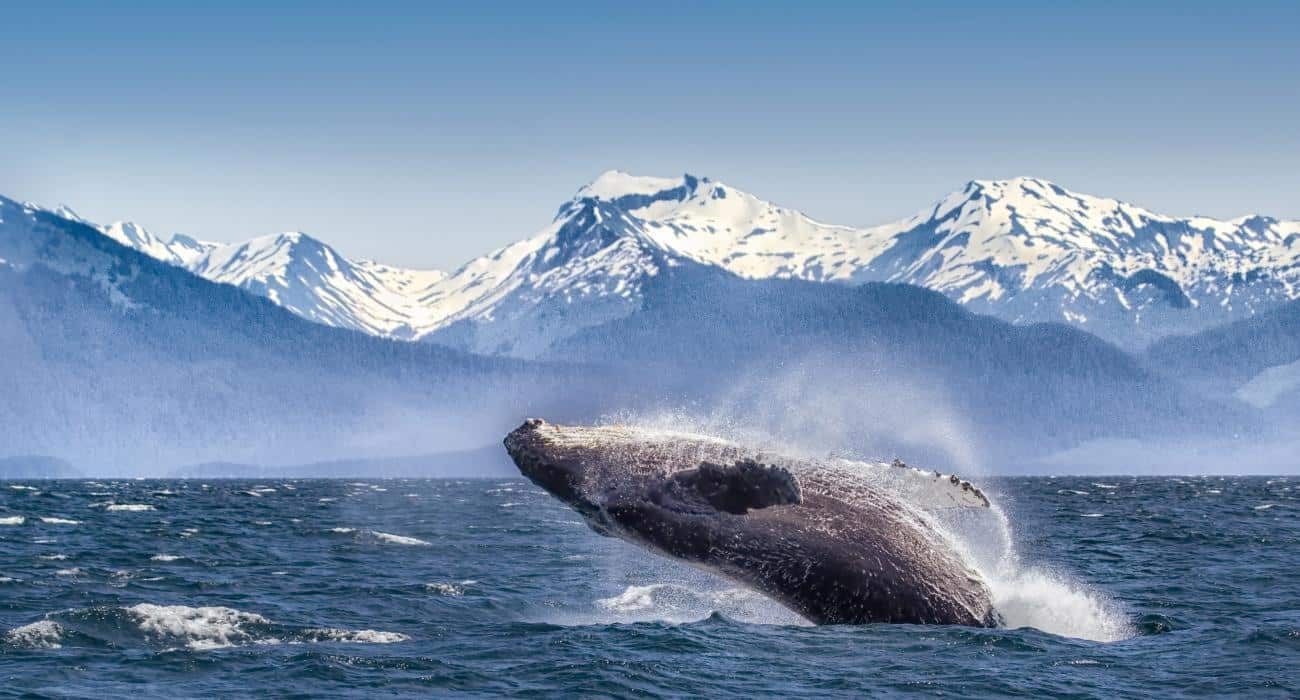
Coverage took place in various venues across Alaska, from the world’s largest temperate rainforest, Tongass National Forest, to the Katmai National Park.

“The Alaska project was very complex with three uplinks in Alaska for sending content into the hub and for two live broadcasts each day for UK & US viewers.  We depended on Telenor to find the right satellite capacity to make it all work. The booking team at Telenor Satellite are so efficient and coped really well with loads of changes, three time zones and varying channel bandwidths. There were a lot of things to worry about on Wild Alaska Live but thanks to Telenor, sat space was not one of them” commented Nick Buckley, Head of Operations at Timeline Television.

“At the Main Site we had connectivity requirements far in excess of just pictures and sound! With a live show centred on animals appearing for us, “on cue”, nothing stayed the same for long! We felt totally supported by Telenor Satellite with the many daily changes we requested to them. They also helped the project by installing an interest in our programme with the Satellite owners who then found it easier to accept some of our non-standard workings!” commented Chris Cobb, Vice Chairman of BBC OB-Comms Ltd.

Telenor Satellite's Occasional Use team provided services to BBC and PBS production of “Wild Alaska Live” – three-part series in 2017.
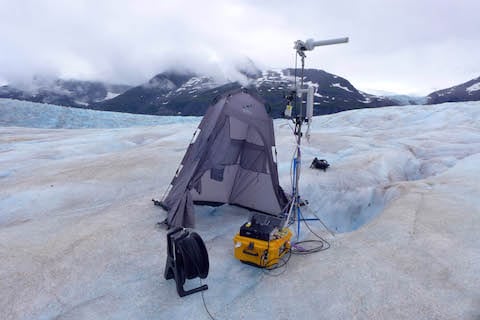
Working in Alaska brings unique challenges to the operational team; with three uplinks and two live broadcasts each day, it was a very complex project which involved more than 140 feeds over the two weeks of testing and filming – and all without a single glitch! Photo: BBC.

Wild Alaska Live was a major three-part series event for BBC One, produced by BBC Studios’ Natural History Unit and co-produced by PBS.

Back to all News

Intelsat and Telenor Satellite expand satellite partnership at 1º West.

New, multi-transponder agreement between Intelsat and Telenor Satellite to support growth of leading Direct-to-Home platform in Central and Eastern Europe.

The agreement is a long term multi-transponder agreement, which will provide Intelsat with satellite capacity for its broadcast customers on the THOR 5 and THOR 7 satellites.

This will allow Intelsat to support the growth of its media customers as they look to bring new and differentiated content to and from the region as well as enhance access to Intelsat’s leading DTH platform at 1º West.

Telenor’s satellite fleet resides at the prime orbital location, 1º West, which currently serves over 2,2 million DTH households in Romania, Hungary, the Czech Republic and Slovakia, and is one of the fastest growing orbital locations in Central and Eastern Europe.

“The agreement with Intelsat is core to our broadcast household reach within Central and Eastern Europe and it is essential in order to continue the positive development in the region”, says Ole Ledang, Director Broadcasting Division of Telenor Satellite.

“We have a strong and positive commercial relationship with Intelsat, which we look forward to proceed”, Ledang concludes.

“The 1º West neighborhood delivers significant advantages to broadcasters who are looking to expand their channel distribution in this fast -growing market,” says Rob Cerbone, Intelsat’s Vice President and General Manager, Media, stated, “Through our partnership with Telenor, we are able to meet our customers’ increasing broadcast demands, facilitate their growth objectives and provide them with quick, cost-efficient access to DTH and cable systems in Central and Eastern Europe.”