Back to all News

Euro-Fibre introduced as we upgrade our terrestrial fibre network.

Feature image for Euro-Fibre

Space Norway (formerly Telenor Satellite) is pleased to announce that it has renewed the operating systems on its terrestrial fibre network to coincide with the renaming of the service. Previously known as the Multi Service Network (MSNW), it has been renamed Euro-Fibre.

The services are monitored and operated by the Space Norway (formerly Telenor Satellite), which is a leading European provider of satellite broadcasting and data communication services, has undertaken a refurbishment of its fibre network infrastructure, based on industry leading media delivery equipment from Net Insight, ensuring that the company offers secure, high-quality, low-latency content delivery.

Space Norway (formerly Telenor Satellite) is delighted to announce that Multi Service Network (MSNW) has been renamed to Euro-Fibre, which aligns with the updates to the operating systems on its terrestrial network.

The company, which is a leading European provider of satellite broadcast and data communications, has undertaken a refurbishment of its fibre network infrastructure, based on industry leading media delivery equipment from Net Insight, ensuring that Space Norway (formerly Telenor Satellite) offers secure, high-quality, low-latency content delivery.

With Points of Presence (PoPs) from the Nordics through to Central Europe and a network dedicated to broadcast customers, the Euro-Fibre service from Space Norway (formerly Telenor Satellite) offers broadcasters, data centres and play-outs a seamless high-end fibre network with capable bit rates, diverse and separate routing and built-in redundancy. Space Norway (formerly Telenor Satellite) offers clients tailor-made services, including tail circuits, direct to their site with commissioning taking place on short notice. Our Network Operations Centre (NOC) at Nittedal Teleport monitors and operates the service 24/7/365.

Ole Ledang, Director, Broadcasting.
Ole Ledang
Director, Broadcasting, Space Norway.

“The broadcast media demands the highest quality from its service providers and won’t accept any glitches or latency and that is exactly what we provide with Euro-Fibre. By renewing all our systems to the highest specifications available, we are ensuring that our customers benefit from a service which has been future-proofed to exceed the quality of service they require.”


Back to all News

Euro-Fibre – a revamped fibre network bringing TV to Europe’s homes.

Fibre connectivity: Euro-Fibre terrestrial network

More than 18 million homes throughout the Nordics and Central and Eastern Europe rely on Telenor Satellite to deliver their broadcast media – whether it originates from Disney, Allente, National Geographic, BBC or any of the other of the regional and international broadcasters who use our services.

Not simply satellites

While, as expected, the transmissions arrive in homes via Telenor Satellite’s THOR fleet of satellites, perhaps what is less well-understood is that we operate an extension to our satellite services through our terrestrial fibre network which takes these broadcasts from their original location and transports them to our teleport in Nittedal.


New name for our terrestrial fibre network

Following a recent refurbishment of our fibre network infrastructure based on industry leading media delivery equipment from Net Insight, we decided to rename our service so that it truly reflects what it’s all about. Now known as Euro-Fibre, it’s a facilitator and enabler, transmitting live broadcast content between key locations in Europe and our teleport. Euro-Fibre is unusual in that it is dedicated to broadcast customers, offering broadcasters and play-outs a seamless high-end fibre network with capable bit rates, diverse and separate routing, and built-in fibre redundancy.


Points of Presence in key locations

Telenor Satellite ensures clients have easy access to its fibre network through its many Points of Presence (PoPs) – they can be found in more than twenty locations throughout Europe including major hubs such as London, Oslo, Stockholm, Copenhagen, Helsinki, Frankfurt and Amsterdam.

But in addition to the fixed PoPs, we are able to offer clients tailor-made services, including tail circuits which extend access direct to clients’ sites with commissioning taking place on short notice if a quick turnaround is needed.


Highest quality media provider

Ole Ledang, Telenor Satellite’s Director, Broadcasting, said: “The broadcast media demands the highest quality from its service providers and won’t accept any glitches or latency and that is exactly what we provide with Euro-Fibre. By renewing all our systems to the highest specifications available, we are ensuring that our customers benefit from a service which has been future-proofed to exceed the quality of service they require.”
 

Euro-Fibre – the name says it all!

Many thanks must go to the amazing Telenor Satellite team who all played a part in the name selection. When asked to participate in a competition to come up with the new name for our terrestrial fibre network, they didn’t disappoint!

Back to all News

Maritime in Scandinavia demonstrates growth on many fronts.

maritime in scandinavia - feature image for the article

Ship Management International spotlights Scandinavian maritime sector, featuring Telenor Satellite’s views on the continuous growth in the region along with the demand for better connectivity.

The changing shape of today’s vessels, with increased digitalisation and IoT, has made the requirement for extensive and high-powered communications a must-have rather than a nice-to-have for all maritime sectors in Scandinavia.


Offshore energy

The Norwegian offshore oil and gas sector is currently experiencing a new lease of life as the Ukrainian conflict leaves many countries facing energy shortages. When coupled with the rising number of offshore wind projects, we are looking at a flourishing industry with a growing need for connectivity.

These offshore energy sites are becoming more complex and much bigger with a need to comply with increasingly strict regulatory controls requiring intelligent and uncompromised communications to support the high levels of digitalisation now in use. Tracking, reporting and real time monitoring by staff, both onboard and onshore, place far greater demands on high-speed connectivity than previously but also ensure that the vessel suffers far less down time. The Internet of Things has enabled the transfer of information between sea and shore, allowing for remote upgrades to equipment and crew to be alerted of potentially hazardous conditions, meanwhile operational data can be collected offshore for analysis onshore.


Offshore support vessels

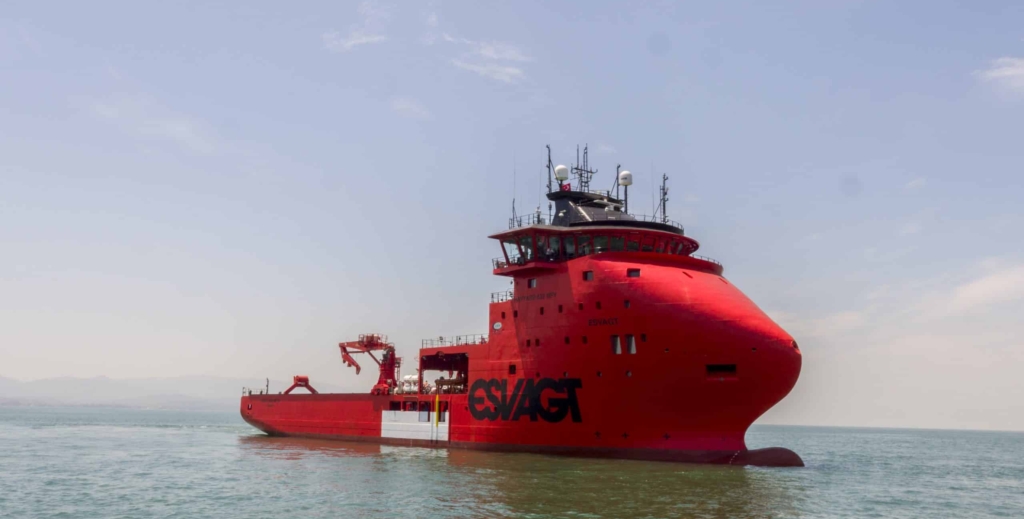
When considering the hard-to-reach nature of these sites and the harsh environments that they are operating in, it’s easy to appreciate that critical systems are not limited to the offshore facilities themselves but also to the myriad support vessels working with them, whether Offshore Supply Vessels, Crew Transfer Vessels or Floatels. They each place high demands on communications systems to ensure the smooth running of key operations such as navigation and weather forecasts.


Fishing

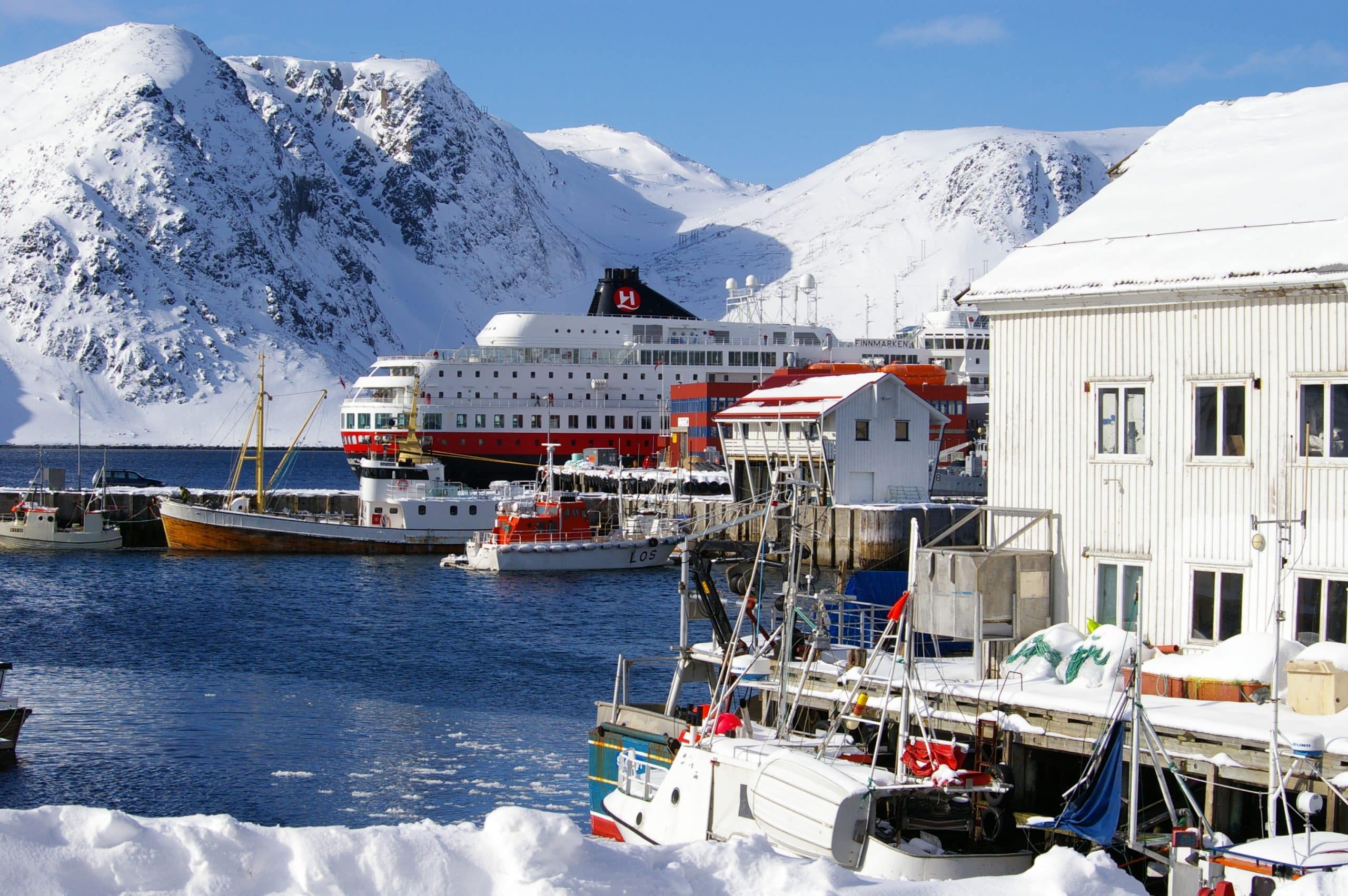
Another dynamic sector for Norway in particular is fishing. Vessels are in operation 24/7, often remaining at sea for a month or more, with crews working up to 12 hours a day. For those working in the Barents Sea or even further north, conditions are icy, dark, cold and windy. This is an area where it is extremely difficult for satellite companies to operate, in fact Telenor Satellite is one of the very few whose satellites are ideally situated to provide reliable and constant VSAT connectivity up to 79 degrees north. Again, there are strict regulations and mandatory reporting requirements which need to be transmitted back to shore but equally important is the safety and wellbeing of crew who need access to emergency assistance as well as links to home.


Expedition cruise

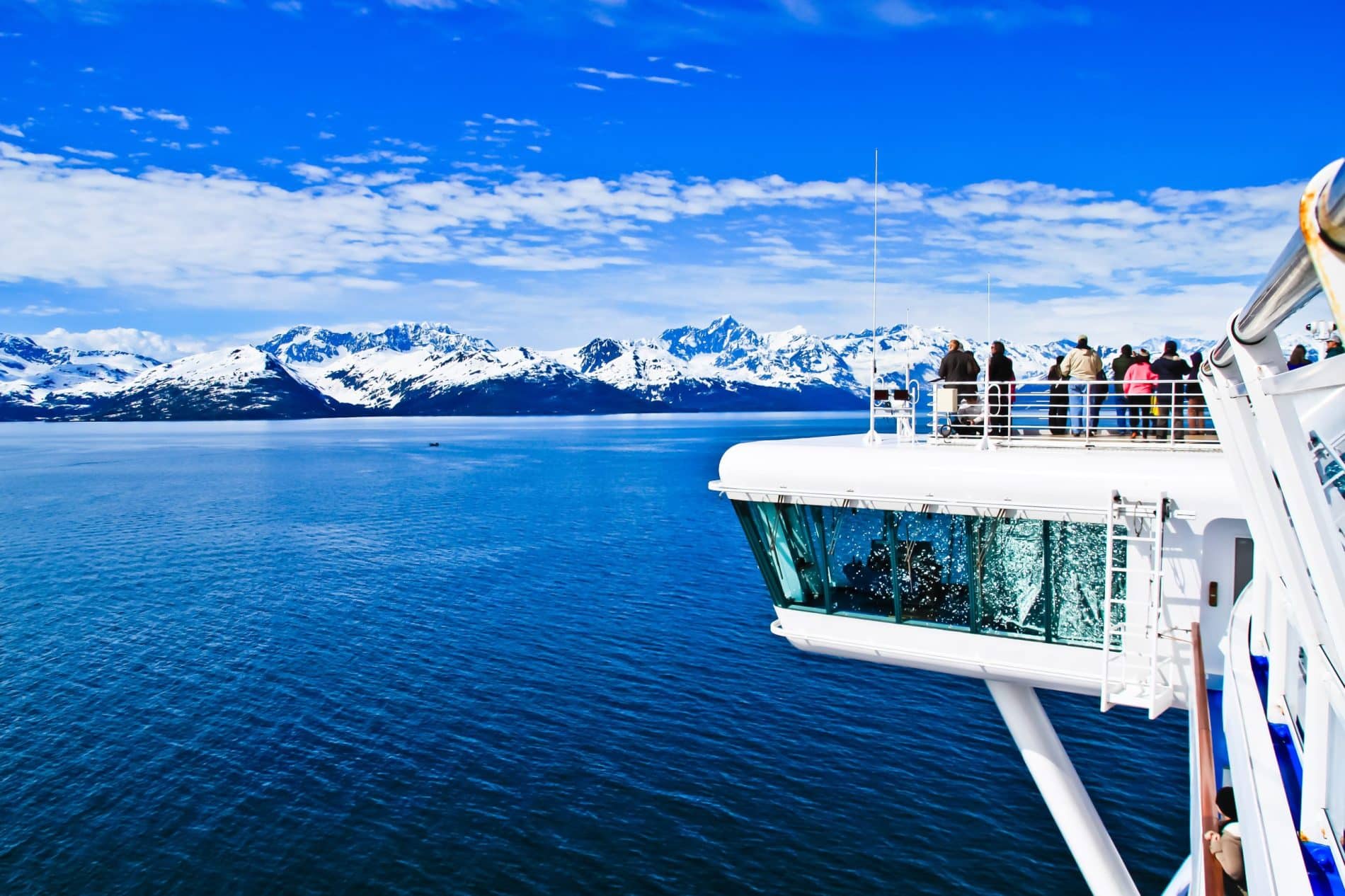
One of the fastest growing cruise sectors, expedition cruising is taking off in Scandinavia with well-travelled guests looking for more adventure. These are sophisticated passengers who take for granted that there will be good connectivity onboard. The complexity of these ships and the sheer quantity of people add to the requirement for communications links that can process large amounts of data both operationally and for the benefit of guests. Combine that with the more challenging environments of the Arctic and it’s easy to understand why high-quality connectivity is vital for this sector too.

maritime in scandinavia, image depicting ferries in Norway

This article was originally published by Ship Management International in issue no 102 March / April 2023.

Back to all News

At sea connectivity with land-line performance.

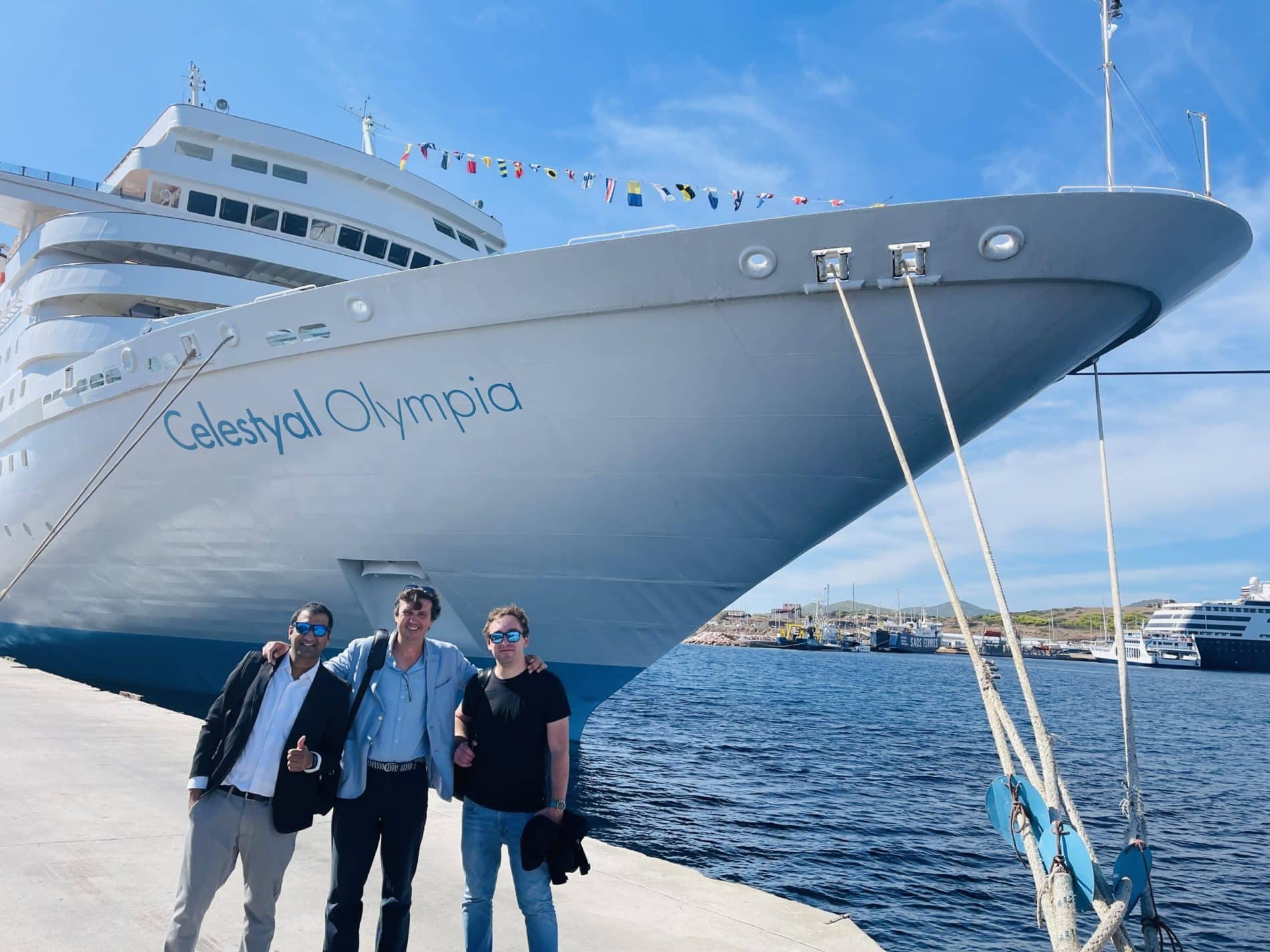
Telenor Satellite’s Managed XipLink installed onboard Celestial Olympia to provide experience of land connectivity at sea.
Photo: Left to right: Vinay Saride, System Engineer; Manuel Valero, Sr. Sales Manager and Rokas Abazorius, Technical Service Manager at Space Norway (formerly Telenor Satellite).

Telenor Satellite and Marel Electronics team up to provide top notch connectivity services for ferry passengers. With Telenor Satellite’s Managed XipLink solution installed, passengers and crew onboard Celestial Olympia are among the first to experience land connectivity at sea.

When cruise and ferry vessels resumed activities in 2021 following the pandemic, Marel Electronics, the Greek based specialist supplier and service company for ship communications and bridge navigation electronics, found that demand for connectivity from its passenger ferry clients had increased enormously.

The company is the major supplier to the Greek market and, although it provides some FM, VHF marine radio and GMDSS products, the vast majority of its services are VSAT, 100% of which uses Telenor Satellite’s THOR fleet. Having been in business since 1964 and in the telecommunications sector for the past fifteen years, Marel Electronics is well known in the industry and works not only with passenger vessels but also in the more specialised research ship sector where scientists conduct ocean and oil research requiring significant VSAT services to support their onboard operations, tutorials and video conferences.

High demand for connectivity from passengers

Explains Thanos Kyrtatas, the company’s Sales Manager for the Telecommunications Department, “Our clients on THOR 7’s Ka-band were taking the largest profile that was available to them, 24/6 Mbps, but were finding that it was simply inadequate for the high volume of traffic being generated, particularly during the summer months when they have between 1,500 and 2,000 passengers onboard. The high demand was causing congestion and so we were searching for a solution. We knew what we needed but didn’t know if anything actually existed that would solve the problem.”

XipLink is the dream solution for ferry connectivity

Talking to Telenor Satellite’s Sr. Key Account Manager, Manuel Valero, it became clear that a solution could be found with the XipLink WAN optimisation solution. It is a leading Transmission Control Protocol (TCP) acceleration solution specifically targeted at satellite and wireless networks. As Manuel said, “My sole motivation is to support our partners in achieving their goals, so I was very pleased to be able to offer a product that would answer their needs.”

And for Thanos, the decision to trial it was easy. “It was exactly what we had dreamt of finding so we had no hesitation in testing it out, firstly over a couple of days in our offices but then on one of our client’s vessels.”

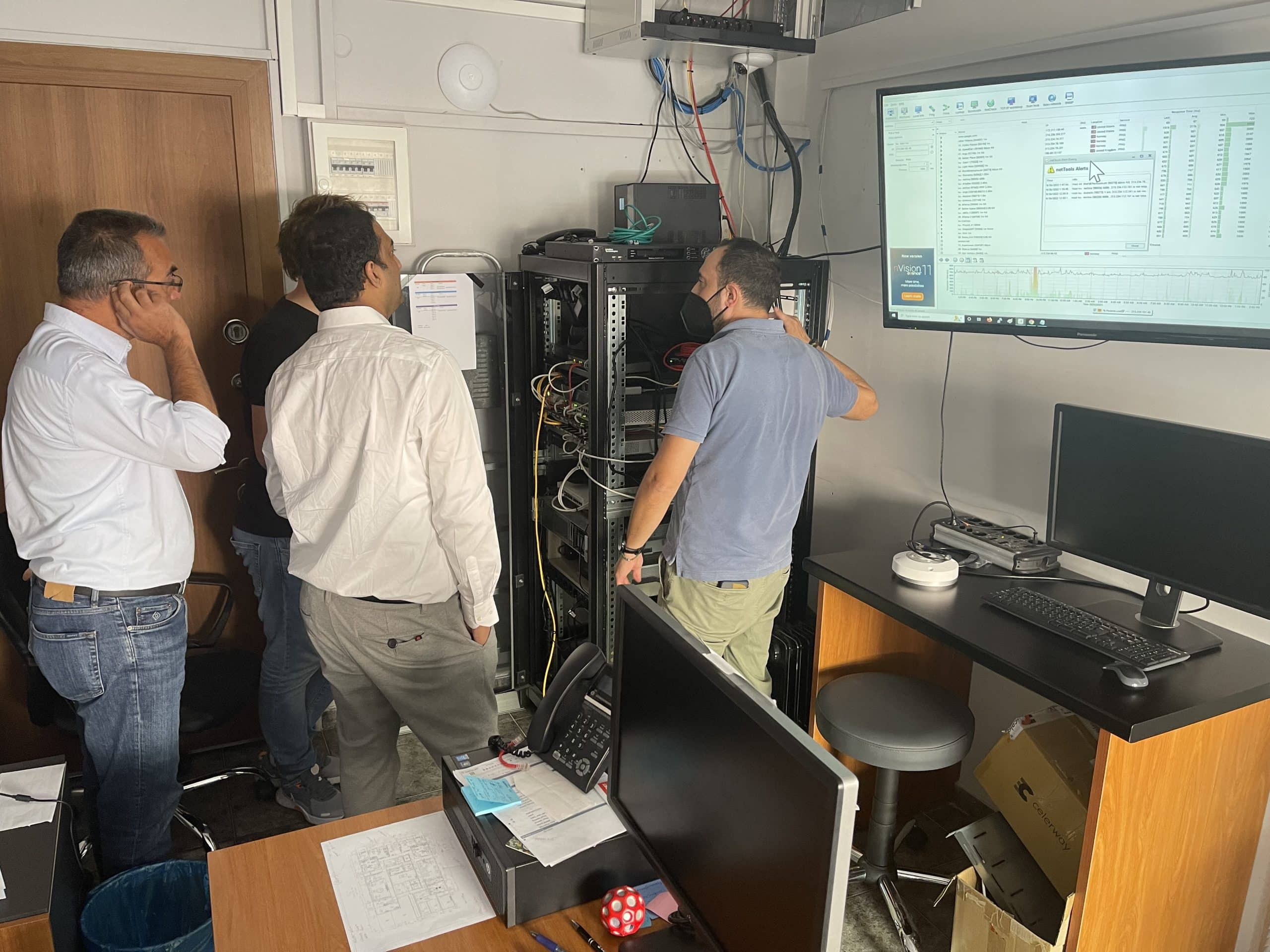
Caption: Telenor Satellite and Marel teams of experts perform final checks of the configuration. (At the front, left to right: Thanos Kyrtatas, Communications and IT solution Sales Manager at Marel Electronics; Vinay Saride, System Engineer at Telenor Satellite and Dimitris Freskas, Communications and IT solution Manager at Marel Electronics. In the back: Rokas Abazorius, Technical Service Manager at Telenor Satellite.)
Caption: Space Norway and Marel teams of experts perform final checks of the configuration. Photo: At the front, left to right: Thanos Kyrtatas, Communications and IT solution Sales Manager at Marel Electronics; Vinay Saride, System Engineer at Space Norway (formerly Telenor Satellite) and Dimitris Freskas, Communications and IT solution Manager at Marel Electronics. In the back: Rokas Abazorius, Technical Service Manager at Space Norway(formerly Telenor Satellite).

Satellite engineers worked from the vessel

MINOAN LINES is one of the largest shipping companies in Europe and they were delighted that Marel Electronics had found a solution to the problems they were experiencing with communications congestion. The decision was taken to start testing as soon as possible and Telenor Satellite’s engineers, along with Manuel, headed over to the vessel so that they could support the Marel team as they installed the XipLink equipment. Adds Manuel, “Both teams are passionate and highly skilled, so we were well equipped for this complex installation.”

For consistency, the Telenor Satellite engineers also configured their hub at the Nittedal Teleport from the vessel so that the Marel engineers could play an active part in how the system would be configured. This meant that everyone was prepared for the system being rolled out across other vessels in the future and also gave the Telenor Satellite team the opportunity to understand how critical its services are to Marel’s customers.

“Marel Electronics is a long-standing customer we have worked with since the very beginning of our THOR 7 Ka-band service commercially launch in 2016. We have come to know them as a very competent organisation and so were very confident in working together with their engineers,” said Jan Hetland, Director, Data Services, Satcom at Telenor Satellite.

Prompt and helpful response

While the testing phase with new equipment can often be a challenge, Marel Electronics was sure any issues would be swiftly dealt with. “We have found Telenor Satellite to be not only a prestigious partner but also a practical one. We are known for the high quality of our customer service, but this is made possible by the support and tools that they provide in terms of monitoring data rate throughput, volume of data being consumed, and signal to noise ratio to name just a few. The Bridge – Telenor Satellite’s online customer portal, allows us to check our stats and keep a close eye on how our links are performing but, whenever we do need to contact the Network Operations Centre (NOC), we always get a prompt and helpful response. Our customers tell us that we provide the best service in the market and that is largely due to Telenor Satellite’s work in the background.”

Installation of XipLink can be a complex procedure with many different parameters to be configured – not least because it is dependent on the number of sessions likely to be in use at any given time. On the Minoan Lines vessel, which travels overnight between Greece and Crete, it was estimated that 6,000 sessions would be needed per trip during winter with the number likely to rise significantly during the summer tourist season. The number of sessions is not just driven by passengers using the internet to view content or email, but also through the use of banking, payments and loyalty cards onboard – everything is done via the web.

Communications traffic is optimised

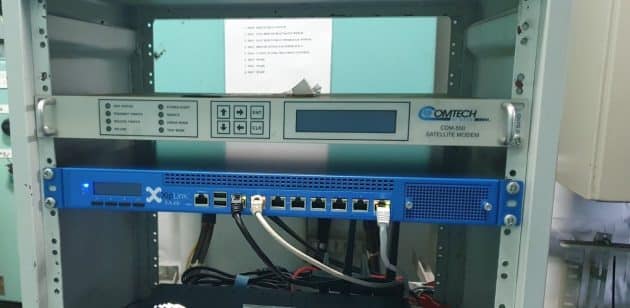
The XipLink device sits between the modem and the firewall, so it doesn’t slow down or affect the running of systems and apps – what it does is to manage the traffic to ensure that it is optimised. It does this by caching sessions ready for when they are next needed with the upshot that the second person to download that particular content, and anyone else who follows, is receiving it direct from a local device rather than over the satellite. This frees up bandwidth and improves the perceived speed of the service being delivered.

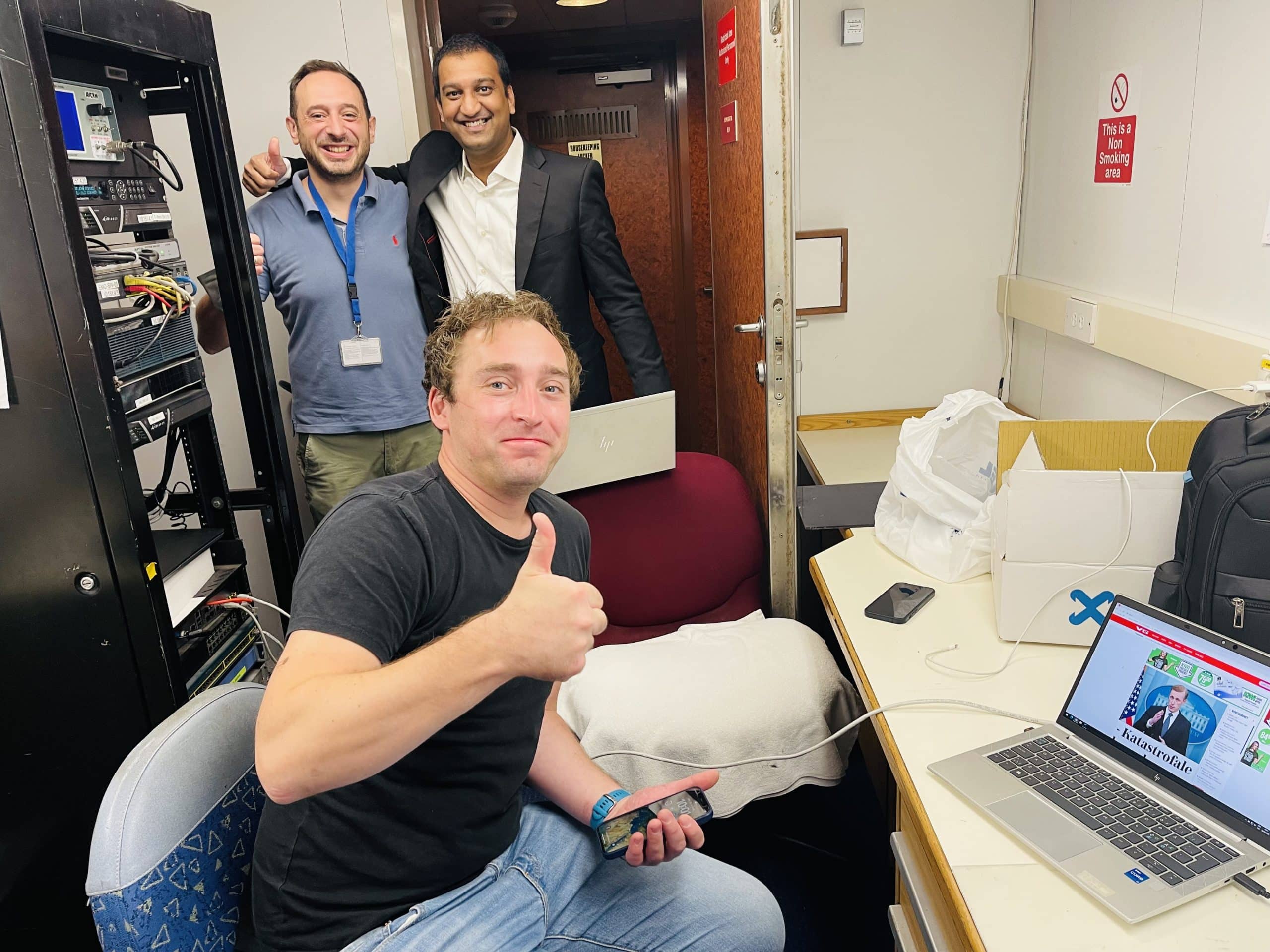
Caption: All up and running. The test of Telenor Satellite’s Managed XipLink solution onboard proved to be a success. (Back row, left to right: Dimitris Freskas, Communications and IT solution Manager at Marel Electronics and Vinay Saride, System Engineer at Telenor Satellite. Front row: Rokas Abazorius, Technical Service Manager at Telenor Satellite.)
Caption: All up and running. The test of Telenor Satellite's Managed XipLink solution onboard proved to be a success. Photo: Back row, left to right: Dimitris Freskas, Communications and IT solution Manager at Marel Electronics and Vinay Saride, System Engineer at Space Norway. Front row: Rokas Abazorius, Technical Service Manager at Space Norway (formerly Telenor Satellite).

25% increase in passenger uptake

Thanos continues, “Everyone on board who used the system during the test phase had the impression that they were using a land-based service rather than satellite as the speed and latency were so good. In fact, the improvements were immediately obvious. The installation was extremely smooth and within ten days our client had placed the order for their entire fleet of four massive ferries to be fitted with XipLink.

“We have been so pleased by the feedback from both Minoan Lines and their passengers too, which has been overwhelmingly positive. There has been an increase of 25% in onboard internet card sales.”

The modems in use on the ferries were not designed to handle the heavy communications traffic experienced today and they had been performing slowly due to the number of sessions. With XipLink taking over the processing, the system no longer flatlines but has a healthy variability in bandwidth being delivered and the modems are running perfectly.

Adds Jan Hetland: “We are delighted that we were able to jointly deploy the Xiplink solution to such great effect for Marel Electronics’ client.”

New XipLink solution is installed and ready for service onboard MINOAN LINES ferry. Photo courtesy of MINOAN LINES.

Service quality that is rarely found

Concludes Thanos, “The results have been so good that that we are recommending Telenor Satellite’s XipLink solution to all of our clients who could benefit from it. Telenor Satellite has provided wonderful support throughout the implementation process, giving on-vessel training to our engineers and providing back up as and when it is needed. What’s more, the company has a flexible policy with regards to licensing which means that our clients have only needed to pay for sessions they have actually used. Telenor Satellite’s service is of a quality that is frequently missing from modern life and everyone at Marel Electronics really appreciates it.”

Caption: Both teams were delighted to see the successful implementation of the XipLink service onboard the Minoan Lines’ ferries. “In today’s competitive world, there are many technologies available to answer market requirements, but this means nothing when you do not have an all-around winning team,” noted Manuel Valero. (Left to right: Manuel Valero, Sr. Sales Manager at Telenor Satellite; Rokas Abazorius, Technical Service Manager at Telenor Satellite; Kyriakos Alexopoulos, Managing Director at Marel Electronics; Vinay Saride, System Engineer at Telenor Satellite; Thanos Kyrtatas, Communications and IT solution Sales Manager at Marel Electronics.)
Photo: Left to right: Manuel Valero, Sr. Sales Manager, Rokas Abazorius, Technical Service Manager at Space Norway (formerly Telenor Satellite); Kyriakos Alexopoulos, Managing Director at Marel Electronics; Vinay Saride, System Engineer at Space Norway (formerly Telenor Satellite); Thanos Kyrtatas, Communications and IT solution Sales Manager at Marel Electronics.

Both teams were delighted to see the successful implementation of the XipLink service onboard the Minoan Lines’ ferries. “In today’s competitive world, there are many technologies available to answer market requirements, but this means nothing when you do not have an all-around winning team,” noted Manuel Valero.

Back to all News

Key success factors for maritime mobility sector in times of change.

Exploration cruise can use XipLink WAN Optimizer to improve VSAT connectivity

Satellite Evolution spoke to Telenor Satellite’s Jan Hetland, Director Data Services Division, about the current state of the maritime mobility sector and what he sees for the future of the satellite communications industry.

Connectivity has always been a key priority for the maritime mobility sector but today, as geopolitical events place new demands on the industry, the need for satellite communications companies to be both agile and reliable is more imperative than ever.

People have become much more used to having connectivity at their fingertips and expect it even when travelling in remote areas. Satellite companies need to demonstrate their innovation and resourcefulness to ensure their client’s evolving requirements can be met promptly and effectively.

Could you summarise the challenges and milestones that Telenor Satellite has faced in the last year?

COVID has obviously been challenging for everyone but planning for a post-COVID world has been difficult because we haven’t known what to expect. We have had to anticipate what demand would be like from each sector and then design our networks to fulfil that anticipated demand. For example, the ferry business is coming back stronger and more quickly than we had anticipated, not because of an increase in passenger numbers relative to pre-COVID times, but each of those passengers seems to have a higher requirement for connectivity. It seems people have become much more used to having connectivity at their fingertips and also making use of it and take that with them when they travel. So, the average revenue per passenger has been higher post pandemic than it was before.

We are also seeing a surge in demand for oil and gas connectivity, not just from our maritime clients but also for our land-based services. This is not necessarily from new clients, but we are finding that our existing clients have been cancelling downgrades, requesting upgrades, developing new projects, and increasing exploration. The upshot is that we have needed to rebalance our business, and this has been helped by the new and more efficient technology we have introduced which has increased our capacity and made possible higher bandwidths in the Nordics.

You've enjoyed a healthy collaboration with Xiplink™ on your Anker Managed Service and through their WAN optimisation service. Could you recap how that partnership has progressed?

Earlier this year we started to offer XipLink, an end-to-end WAN optimiser solution, as part of our Anker Managed Services portfolio. This provides increased throughput, maximum wireless performance, and an improved end-user experience. XipLink has proved very beneficial to our passenger ship clients as it offloads the computational burden of a large number of end-users and TCP sessions from the satellite modems, which often prove to be the bottleneck.

We are finding our clients across the board in this sector are opting for XipLink and, in fact, having tried it on a first vessel they have chosen to roll it out throughout their entire fleet. The amount of uptake we have seen on the XipLink service is very encouraging and we expect it to continue to grow.

With developing geopolitical events placing new demands on the industry week by week, how have you seen connectivity demand shift?

I think the biggest change we have seen has been with the oil and gas sector as explained earlier. Prior to COVID there had been a reduction in exploration and, of course, that reduction was expected to continue following on from COP 26. With the onset of the conflict in Ukraine, everything has been turned on its head and we are seeing greater demand for connectivity in support of a rise in activity.

Certainly, in a country like Norway which has enjoyed revenues from the oil and gas sector for many years, the discussion that had centred around tailing off, or even ending, oil exploration activities has now been put aside as the EU attempts to reduce its reliance on Russian energy. However, I think the shift goes beyond simply oil and gas and encompasses the entire energy sector as we have also seen a lot of activity related to offshore wind projects including floating wind farms which will also increase demand for connectivity. It’s all about ensuring energy security and developing alternative and renewable energy sources.

How can satellite companies work with their clients to anticipate changing requirements and deliver reliable service?

There is really only one possible answer to this question – satellite companies need to listen to the demands of their customers and then make sure that they have right products and services to deliver the connectivity they need. For satellite operators such as ourselves, the key challenge is that you need a three to four-year lead time when designing and building a satellite, so both we and our clients need to have a very good idea of our future needs well in advance. And you try to build a bit of flexibility into your satellite design to cater for changing demands.

Still, not all of our customers take a long-term view so we also need to look at market reports and overall trends although you wouldn’t launch a broadcast satellite without having firm requirements from the broadcaster and you would design it around their needs.

It is fair to say that today’s satellites offer much more flexibility in terms of redistributing capacity so that, combined with talking to clients about their projected requirements, means that we have more certainty that we will meet demand moving into the future. Data connectivity is certainly going to go up and part of our role is to make customers aware of what is possible so that they can make the most of their opportunities.

How do you see mobile satcom technology changing going forward?

In the future you will see bit rates continue to increase and connectivity requirements will only rise. People expect more, for roughly the same amount of spend, so we have to try and deliver on those expectations and provide more for the same amount of money. While demand grows for increased services and performance, the baseband platforms and modems which form the infrastructure of the business are having to keep pace. This is the main reason for our recent adoption of the Newtec Dialog® platform which ensures we can provide services up to 100/25 Mbps in order to support high-end user cases.

Maritime antenna technology is another important area. Today’s modern satellites are more powerful than older satellites, and in turn this allows smaller, lighter and lower cost antennas to be used. This is a particularly important area for the maritime sector since the typical maritime stabilised antenna platforms account for a large portion of the total cost of a maritime satcom terminal. For some time, flat-panel antennas have been seen as the holy grail for maritime satcom, as they have no moving parts and motors which are subject to wear and tear in a challenging maritime environment. Although progress has been made in this area, the equipment manufacturers have yet to solve all the issues required for flat-panel antennas to become mainstream technology. Today, they are either too low in performance, or they cost too much, or they consume too much power.

The new LEO and MEO systems may help bring about this change since they heavily rely on such antennas being available in order to offer low-cost terminal equipment. But the past 8-10 years show that improvement comes in gradual small steps and not in giant leaps. In the current geopolitical landscape, we are seeing supply chain issues, embargos and looming trade wars which all contribute to rising prices and schedule delays.  Hence, several of the planned LEO/MEO systems have already announced delays or having to scale back on their initial ambitions. Starlink’s recent launch of a service for the yachting market is perhaps a sign of progress being made, however, and it will be interesting to see going forward if they are able to satisfy the requirements of this maritime segment.

What is the most important thing that the maritime mobility sector needs to understand about connectivity?

I think the entire maritime sector will need to focus more closely on cybersecurity. There have already been some high-profile breaches involving large shipping companies which have caused problems within the supply chain and more recently a two-way service in Ukraine was hacked and effectively shut down.  This just shows that the industry must take a holistic view on cybersecurity. Having secure satellite networks will not help much if a ship’s own IT infrastructure is left vulnerable and exposed from the Internet. There are still far too many examples of clients and ship owners operating network equipment using default factory login credentials. So everyone’s mindset has to change really.

Being part of Telenor Group – cybersecurity is something we have to take seriously, and we have access to some of the best expertise in the country to help us design our networks and improve our security posture.

What can we expect from Telenor Satellite in the years ahead?

For sure we will continue to evolve as a satellite operator, we need to continue to put new additional capacity into the sky when there is a need, and the time is right. We will continue to invest, evolve, and develop new technology to meet our customer’s demands.

So, in a nutshell, we are planning to be productive, planning to be around for a good many years and planning to invest in and adopt new technology whenever the possibility arises. No revolution on our part but steady evolution going forward.


The original article was published by Satellite Evolution in the November 2022 issue of Satellite Evolution Global (page 20).

Back to all News

Q&A with Broadband TV News on the latest developments and future trends in the satellite broadcasting industry.

Ole Ledang, Director Broadcasting Division, Telenor Satellite
Ole Ledang, Director Broadcasting Division, Telenor Satellite. Photo: Kilian Munch

BroadbandTV News speaks with Telenor Satellite’s Ole Ledang about current advances in the broadcast industry, looking at trends in satellite design and essential requirements for continuous success in delivering premium DTH services across Europe.

Telenor Satellite has been described as the most versatile satellite operator in Europe. How have you achieved this position?

It’s a bald statement, but as a small/medium satellite operator you must think very carefully about satellite design. With THOR 5, 6 and 7 we have fully utilized the accessible frequency spectrum licensed at 1°West, including a Ka-band payload on THOR 7 alongside our FSS and BSS transponders.

Our key markets for broadcasting are in CEE and the Nordics and some broadcasters and DTH players would like coverage over a larger part of Europe to reach CATV headends, expats and other markets. We have multiple areas of focus when designing our satellites – option to switch transponders between spotbeams in case market development takes a U-turn, and 1°West spare-transponder philosophy on every satellite in order to perform damage limitation should a satellite crash and burn. Is it desirable to be able to move spot-beams? Could a situation arise where we have to uplink from one beam and downlink in another? Uplink in Ku-band and downlink in Ka-band, or vice versa?

So, when your flexibility is not on a multi satellite, multi orbital position level, you have to include flexibility and versatility on every satellite – and between the satellites. I think we have maximized the design every time, and it has proven necessary and right to do so.

As a satellite operator, how do you use ground infrastructure technology to enable operation for the DTH pay-TV sector?

Key for our customers is quality – both operational and visible – and quick response to changes. To fulfil the quality aspect, we have recently focused on converting all feeds from play-outs and studios to Mezzanine format. We have full control of the encoding and transcoding quality at our Nittedal Teleport and, together with our customers, we test and tune the setup until they are satisfied with the end result.

The IP network at Nittedal Teleport enables us to easily add transcoding resources if a channel is being prepared for ABR and IPTV production. We can also add broadcasting channels from remote operated video-servers hosted at Nittedal Teleport, or add sources made available through Zixi, SRTor other internet solutions.
A modern infrastructure mixed with IT competence and broadcasting know-how enables us to move fast and adapt to customer demands.

I should also mention that for the last couple of years our focus has very much been on IT-security. How to best protect production and control-systems from harmful intrusion.

Telenor Satellite’s largest Teleport is in Nittedal just north of Oslo. Can you describe how it operates?

Nittedal Teleport is the heart of our operations. Just shy of 60 engineers are organized in specialist-groups including a 24/7/365 NOC (Network Operation Centre) as well as Broadcasting Services, Data Services, RF and Infrastructure, and an ever more present and important IT and Network group. These engineer groups function as support for our NOC and as sparring partners for our customers.

What in your view are the latest developments in satellite design?

Never has the industry seen more alternative design initiatives as in the past 3-5 years. For broadcasting, I would like to see satellite- and launcher-development adapted to the changes in the DTH and broadcasting markets. Shorter contracts, rapid change to channel profiles, dedicated channels for live events such as football leagues, new geographical territories. Everything should be more dynamic and agile.

Can we see the re-usable launchers capable of multi-passenger opportunities developing – with dramatic reduction in prices? Development of “inexpensive” smaller DTH satellites with fewer transponders, shorter lifetime – maybe 6,7 or 8 years – very low weight and low complexity? I think that could guarantee a prosperous long-term market for broadcasters, DTH operators, satellite capacity providers such as ourselves, and the satellite manufacturer industry.

Quite a few years ago something similar happened in the encoding industry. Coming from a position with very complex and very costly encoder design – with complex infrastructure at the teleports, hard to operate, and very time-consuming to perform adaptations and changes – some manufacturers started to offer simpler encoders at a fraction of the price.

This situation triggered us to create a different infrastructure at our teleport. Instead of 1+n philosophy we could think 1+1 and IP. Seems like a small change, but really, it was a game changer.

Imagine if the same revolution happened in the satellite manufacturing industry. We could provide terms and conditions for our DTH and broadcast customers reflecting the rapidly changing environment they experience. It’s a win-win situation. And you could add another “win” for the satellite manufacturers because we could commit to more satellites at a quicker pace than we are able to today.

Looking to the future, what are Telenor Satellite’s main priorities and how can you see it developing in the course of the next 5 years?

We shall continue to grow our market share with our Data Services in the North Atlantic and the Mediterranean. We have been very successful with our Anker Maritime Managed Services. And Telenor Satellite needs further satellite capacity both in Ku- and Ka-band to continue feeding market demand.

On the broadcasting side and supporting our success migrating the entire Nordic DTH population into 1°West, our main focus is to ensure we have sufficient satellite capacity for our customers and partners in the CEE market. DTH experiences fierce competition from fibre infrastructure on the technical side and viewing habits on the end-user side. Each country and market differ, so understanding which products to provide where – and when – is key. We can only be successful, and ensure our customers are successful, if we continue to communicate and discuss options, functionalities and adaptive solutions reflecting the rapid changes in their marketplace.

Alongside our satellite products, we have a sharp eye on our non-satellite products in the Nordics. More than 300 ABR services, and over 600 IPTV services are produced at Nittedal Teleport. This is also an industry in full speed ahead, and we work closely with our main customers and their supporting CDNs to ensure we are maximising their ability to provide the functionality and products demanded by their end-users.


Read the original article published on November 24, 2022 by the Broadband TV News

Back to all News

A conversation with SatNews on satellite connectivity trends and challenges in times of uncertainty.

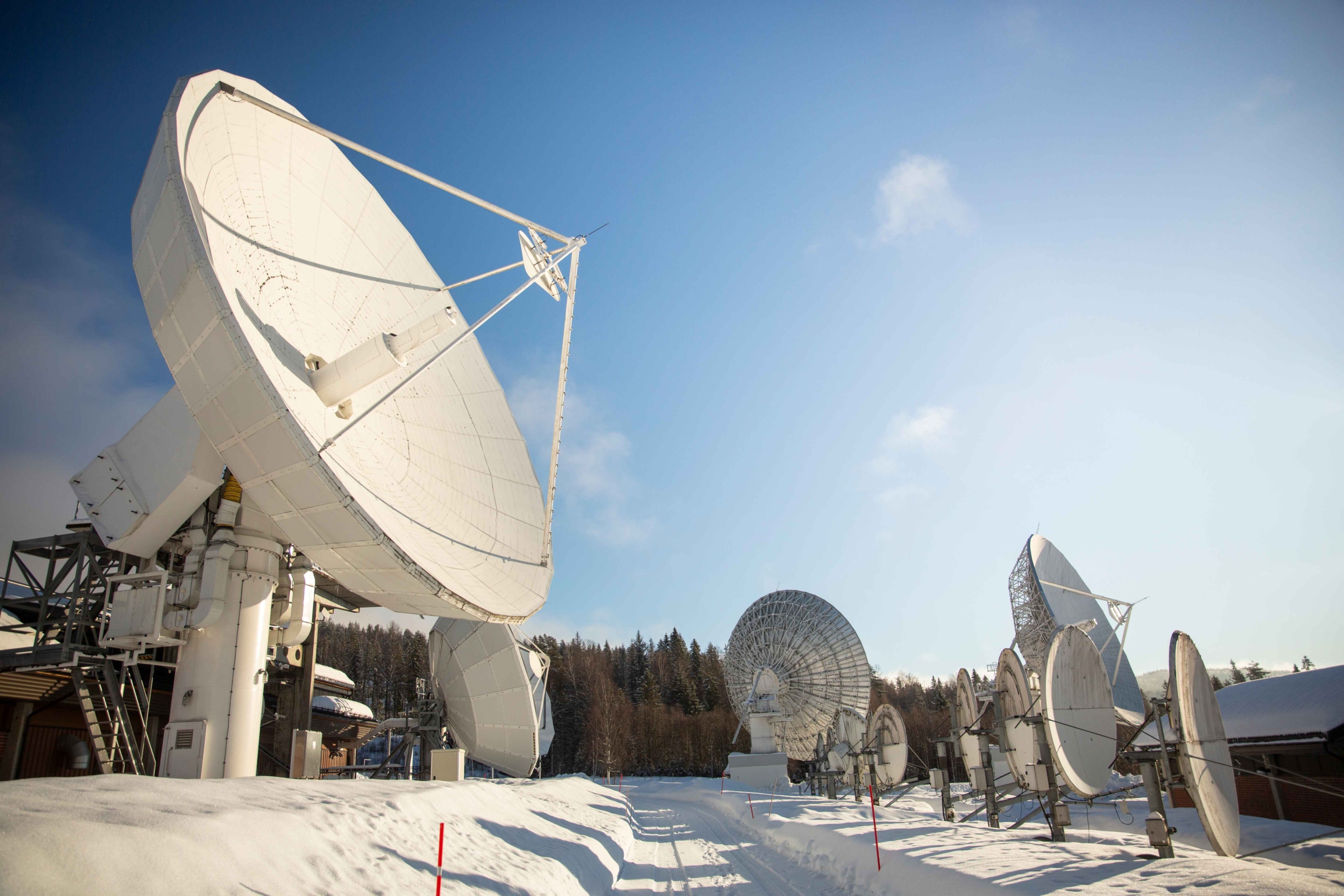
Antennas at Nittedal Teleport

SatNews talks with Jan Hetland, Director of Data Services and Ole Ledang, Director Broadcasting Division at Telenor Satellite about the changes wrought on the satellite communications industry by the uncertainties of recent years.


We spoke with SatNews magazine about the challenges facing connectivity industry following the last few years of uncertainty, as we continue to see the effects from Covid-19, the global supply challenges and the current geopolitical situation.

Having largely emerged, at least in the west, from the COVID pandemic, it is clear that there are still residual effects from the disruption it caused. The disturbances to global supply chains remain and are something Telenor Satellite continues to experience.

Whereas in the past we would expect to receive a new router, for example, within the space of two to three weeks, today that can take anywhere from between six to nine months to get the unit delivered from the manufacturer or distributor. On top of that is the issue of price increases that also affects both data services and media broadcasting.


Read the entire article in SatMagazine’s September 2022 issue.

Back to all News

Transforming media distribution with satellite-enabled 5G technology.

Telenor Satellite participates in 5G Emerge project to offer satellite-enable media distribution technology.

As for most people working in high tech industries, the thing that most excites us is discovering ways to make technology perform better, and so Telenor Satellite is delighted to be part of an elite group of European companies that have come together to leverage 5G technology in a move that will put European media delivery technology at the forefront of the industry.

A distribution revolution

Sponsored by ESA, European Space Agency, the 5G Emerge project was launched in June 2022 when ESA signed an agreement with an industry consortium led by European Broadcast Union (EBU).

Telenor Satellite is a member of the 5G Emerge project at the helm of EBU along with Telenor Research and Telenor Maritime, and a vast range of other key players from the broadcast and satellite sectors in Italy, Luxembourg, the Netherlands, Norway, Sweden, Switzerland and the United Kingdom, together currently totaling 21 enterprises and associations.

Next-generation 5G will delight any audience

5G technology is a game changer not just for MNOs (Mobile Network Operators), but also for the media industry – it offers super speed, lower latency and high availability giving users a much-improved experience when gaming or watching videos, whether at home or on-the-move. Immense quantities of media content need to move across the core network to reach end users wherever they are and satellite communications companies like Telenor Satellite want to develop efficient means to make this happen by using broadcasting technology.

The aim of the project is to provide end users with the content they want, wherever they want it and at the time of their choosing, and this will be achieved via a combination of satellite and terrestrial IP-based network infrastructures working in collaboration to produce the best viewing results. Satellites will form a key component of the content distribution, delivering high quality, in-demand content to sites as close as possible to the end user. Here, content will be cached in smart gateways, ready for speedy access by the end user via a smartphone, tablet or TV.

Reaching for the sky

The 5G Emerge project, which is still in its early stages, offers exciting opportunities for the future as the technology could be used by the maritime, aviation, transport and land-based sectors.

Read the full press release from EBU and learn more about the ESA 5G project.

Tone Liljeberg
Director of Projects, Space Norway (formerly, Telenor Satellite).

“Having media content stored and ready for consumption at the viewing device of the users has always been somewhat of a holy grail in the broadcasting and media industry. In this project we will work with satellite enabled solutions to inch closer to this long-standing vision.”

Back to all News

Extension of land-based Ku service on Dialog platform in the Middle East.

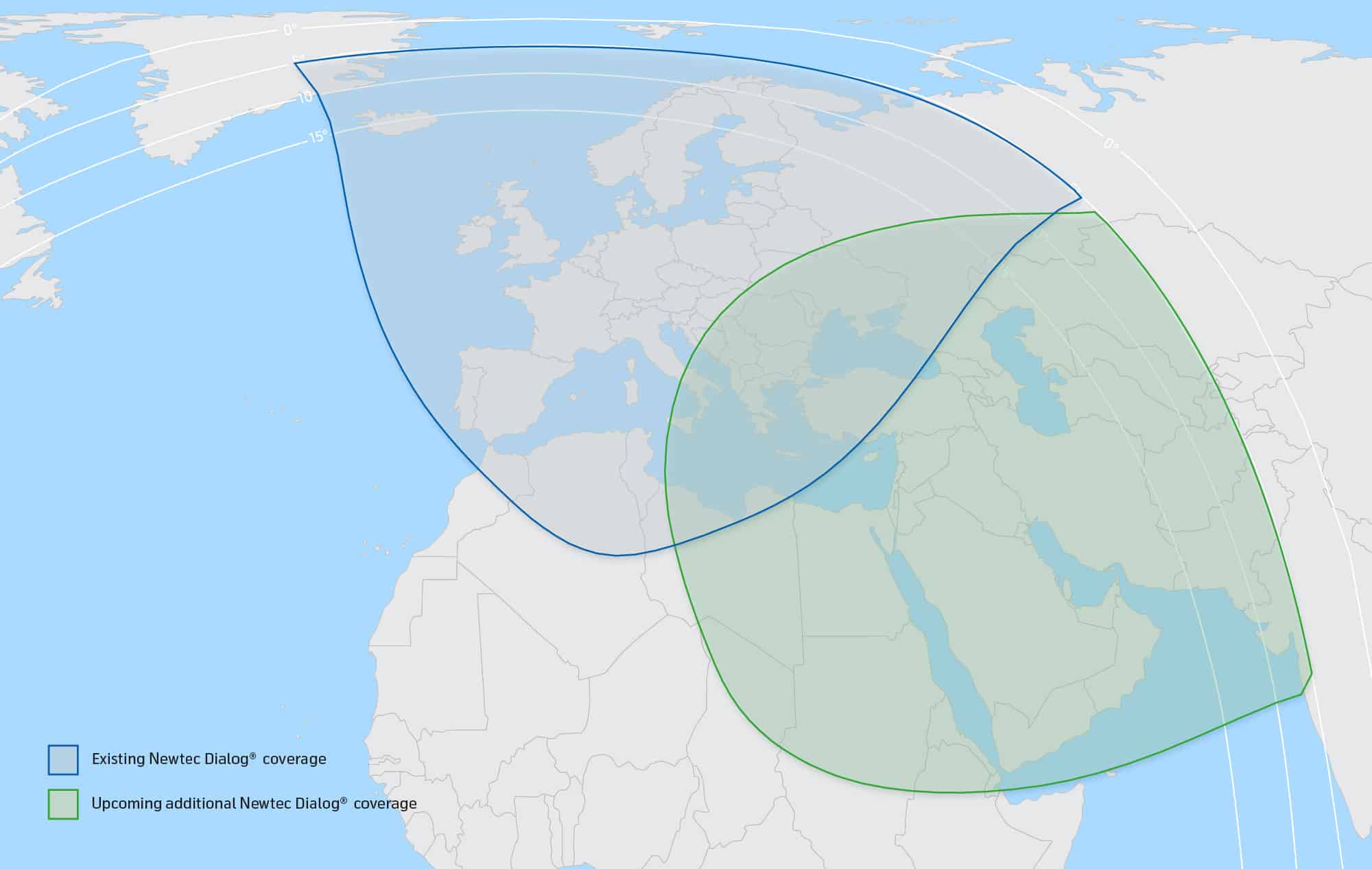
Space Norway offers Dialog coverage in the Middle East

Following successful expansion of its Ku-band Dialog services for maritime customers in the Middle East, Space Norway announces extension of the service to clients in the land-based sectors.

Norwegian satellite communications leader Space Norway today announces that its THOR 10-02 Ku-band service on Dialog platform from ST Engineering iDirect is being made available to land-based clients in the Middle East.

The company is a major supplier of premium connectivity via satellite to the broadcast, maritime and land-based vertical markets in Europe, the Middle East and North Africa (EMEA). With the introduction of the award-winning Dialog platform, the company can offer its clients in the Middle East the increased speeds and bandwidths that were previously only available on its THOR 7 Ka-band services for the maritime & offshore energy customers.

Premium Dialog VSAT platform for the land-based energy sector

This is particularly important for the company’s land-based oil & gas clients whose sophisticated and technology driven operations demand the higher performance offered by the Dialog VSAT platform. The benefits to clients include a highly efficient, scalable and flexible service which comes with DVB-S2X performance, advanced waveforms, Mx-DMA® shared bandwidth return channel technology, and more sophisticated QoS and QoE features.

Chris Insall, Head of Maritime Market Development at ST Engineering iDirect, said: “Space Norway is extending to the Middle East a VSAT platform that can address multiple markets by optimising the usage of infrastructure and satellite capacity. With the Dialog platform, Space Norway can select the best transmission technology for its needs, harnessing the industry’s most efficient, dynamic return technology to share satellite capacity more efficiently over a group of satellite terminals.”

Although the majority of Space Norway’s Middle Eastern clients require a fixed service, the company also supplies connectivity to offshore facilities and their support vessels requiring full mobility.

Space Norway further expands its Ku-band service on THOR 10-02  Spot 1 & Spot 2 to offer both maritime and land-based clients Dialog VSAT platform in the Middle East.
Jan Hetland, Director, Data Services.
Jan Hetland
Director, Data Services, Space Norway.

“We are pleased to be able to extend coverage of the Dialog VSAT platform into the Middle East as it will enable us to deliver a service of the highest quality to our clients working in the region whether they are land-based or maritime. The increased speed, bandwidth and flexibility of the new system ensures that our clients will receive the best possible performance from their satellite communications.”

Back to all News

Satcom companies can do well if they are prepared to adapt - even in times of uncertainty.

An image showing satellite connectivity

While everyone is delighted to be coming out of the end of the COVID pandemic, there have been some unexpected developments for the satcom sector.

“It was always too much to hope that supply and demand would return to pre-COVID levels so quickly, so we simply didn’t anticipate some of the growth we have seen,” said Jan Hetland, Director, Data Services at Space Norway. “Passenger vessels were particularly hard hit by the pandemic, and we expected a slow return in our cruise and ferry client base but in fact demand has outstripped our expectations.”

The Norway based company has seen a surprising increase in demand for speed of connectivity and bandwidth from end users who appear to have developed ingrained internet habits. Space Norway has been delivering high quality connectivity and services to the maritime sector as far as 79° North, taking in the North Atlantic, the Nordics, Mediterranean, and regions in Africa and the Caribbean, and has been looking at ways to expand its offering throughout 2022.

New services to improve performance

He continued: “Over the years, we have built up an excellent working partnership with ST Engineering iDirect, so we are delighted to add their Dialog platform to our Anker Ka-band service portfolio, which allows us to provide services of up to 150/50Mbps. This offering has now been extended to our Ku-band, so that even more of our clients can benefit from its superior performance in terms of speed and bandwidth.

“The recent addition of Xiplink™ Wireless Link Optimisation technology to our Anker Managed services further enhances our satcom service through best-in-class acceleration coupled with integrated QoS shaping. Both these additions are particularly useful for our passenger vessel clients who may have thousands of users wanting to access bandwidth at the same time and without any loss of performance. “

It isn’t only the passenger ship sector that has surprised. The energy sector has also undergone some changes with the onset of the conflict in Ukraine. Many of Space Norway’s clients have not only cancelled planned downgrades in their requirements but have opted for upgrades to their existing sites. We see a renewed increase in exploration and new project development in offshore Oil & Gas, as well as a surge in activity within the offshore renewables sector, and the company is again opting for the Dialog solution to increase capacity and bandwidths in the North Sea region.

Space Norway further expands its Ku-band service on THOR 10-02  Spot 1 & Spot 2 to offer both maritime and land-based clients Dialog VSAT platform in the Middle East.

New generation of VSAT antennas

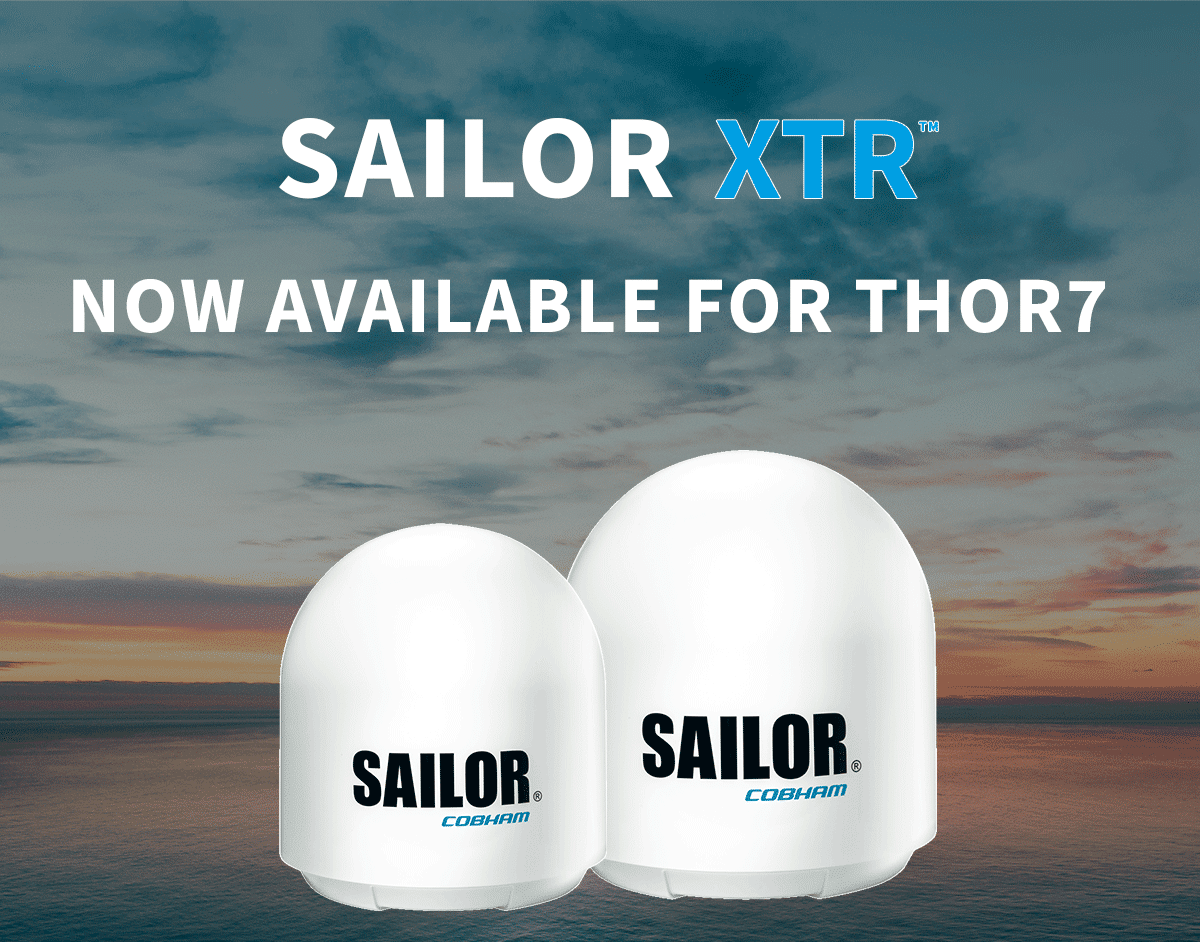
As well as the latest additions to its satcom services, Space Norway has also just announced the recent approval of the new generation of the SAILOR XTR 1m and 65cm antennas from Cobham Satcom. These are robust and powerful antennas which will secure reliable connectivity for the many applications used by Space Norway’s clients in the offshore, fishing and merchant sectors, even in the harshest of environments.

SAILOR XTR 1m and 65cm antennas from Cobham Satcom
SAILOR XTR 65 cm and 1m antenna series are approved for Ka-band Anker service on THOR 7.